Welcome to Fulxing Intelligent - SMT Automation Equipment
 简体中文

Customer Service Hotline
18565526634
Welcome to Fulxing Intelligent - SMT Automation Equipment
18565526634
Contact: Mr. Yang
Mobile: 18565526634
Tel: 18565526634
Email: 1404870852@qq.com
Address: Songyu Rd 142, Songgang St, Bao'an Dist., Shenzhen, China
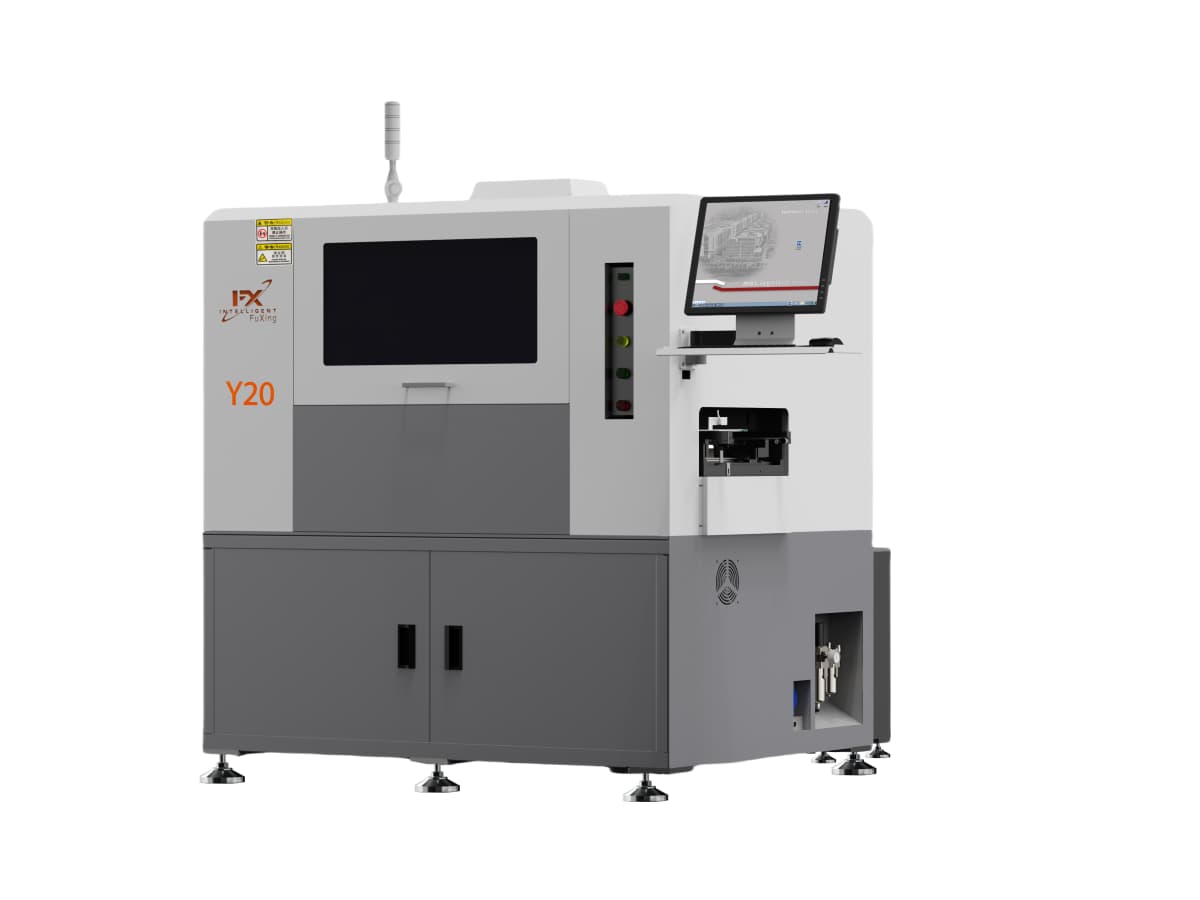
An odd-form insertion machine is not a machine you load with everything. The Y series is rated at 0.4 seconds per point, roughly 9,000 an hour, against 0.16 to 0.2 seconds and about 20,000 on a standard vertical or horizontal unit. Put the same resistor on the odd-form head and the cost per insertion doubles.
The machine is fine. The job was split wrong. An odd-form inserter earns its price on parts no standard machine can handle. Loading it with standard components is like sending parcels in a truck.
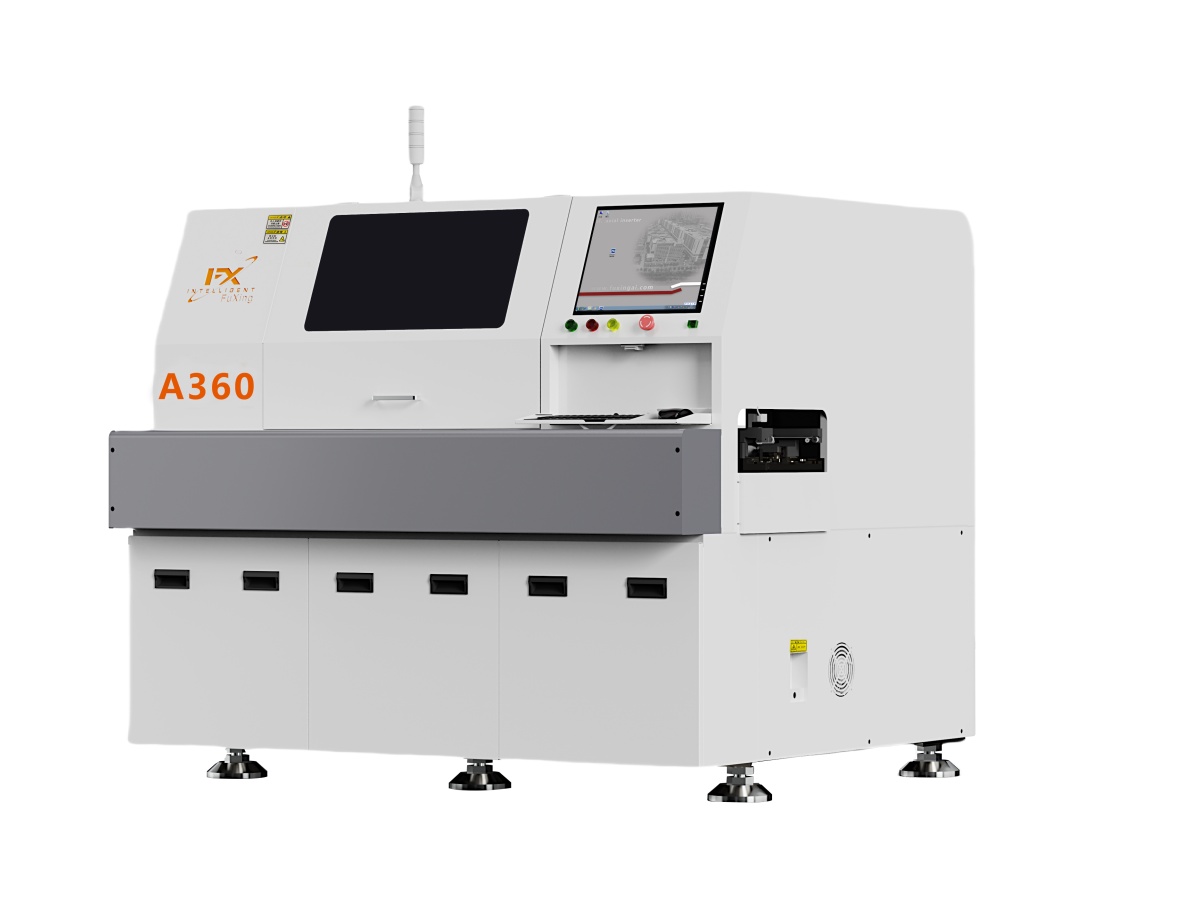
A vertical inserter handles radial components that stand upright on the board: electrolytic capacitors, LEDs, transistors, radial inductors and radial resistors. Feeding is almost always tape, and mainstream models run around 20,000 points an hour.
A horizontal inserter handles axial parts that lie flat: color-band resistors, diodes, fuses, jumper wires and axial inductors. Tape again, similar speed.
An odd-form inserter takes what is left: connectors, tact switches, DIP switches, relays, transformers, current transformers, loose terminals. Many of these have no tape, some arrive as bulk, and some are shaped so irregularly that the gripper has to be built for that part alone.
The Y series is rated at 0.4 seconds per point, about 9,000 points an hour. Standard vertical and horizontal machines run 0.16 to 0.2 seconds, roughly 20,000 an hour. That is a factor of two, not a rounding error.
The reason is mechanical. On a standard machine every component faces the same direction at a fixed pitch, so the head can run a continuous motion. Odd-form parts differ in shape, centre of gravity and lead position, so the head re-aligns on every insertion and the gripper stroke changes with it. Vision adds another step before each pick. The cycle time follows.
Accuracy does not suffer. Mainstream odd-form models hold 0.01mm repeat positioning, the same as standard machines. What you lose is speed, not precision.
These are the ones most often loaded onto an odd-form machine because the station happens to be free:
The rule is simple. If a component can be taped and has a regular shape, keep it off the odd-form machine. Every standard part occupying an odd-form station is a real odd-form part queuing behind it.
How many grippers come with it. Odd-form grippers are built around the component. A standard package covers two or three sets, and anything else is custom. Send the dimensions, weight and lead count of every non-standard part on your BOM and ask which ones can share a gripper and which need their own. Skip this and the extra grippers, plus the weeks waiting for them, land on you after delivery.
Does feeding keep up. Most odd-form parts have no tape, so you are down to tube, tray, vibratory bowl or manual placement. If the feeder cannot match the insertion cycle, machine speed is irrelevant. Ask for the throughput ceiling of each feeding method, not whether it is supported.
What are the limits. The Y series is rated for suction up to 150g, gripping up to 200g, and components within 40mm in length, width and height. Transformers and relays hit hard limits on weight and height, so pull the heaviest and tallest part off your BOM and check it against those numbers before anything else. If it exceeds them, you need a larger model.
How long is a changeover. A new board usually means new grippers, new feeders, a new program. On small batches that time dominates the cost. Ask how many people and how many minutes a real changeover takes, not what the catalogue says about the machine itself.
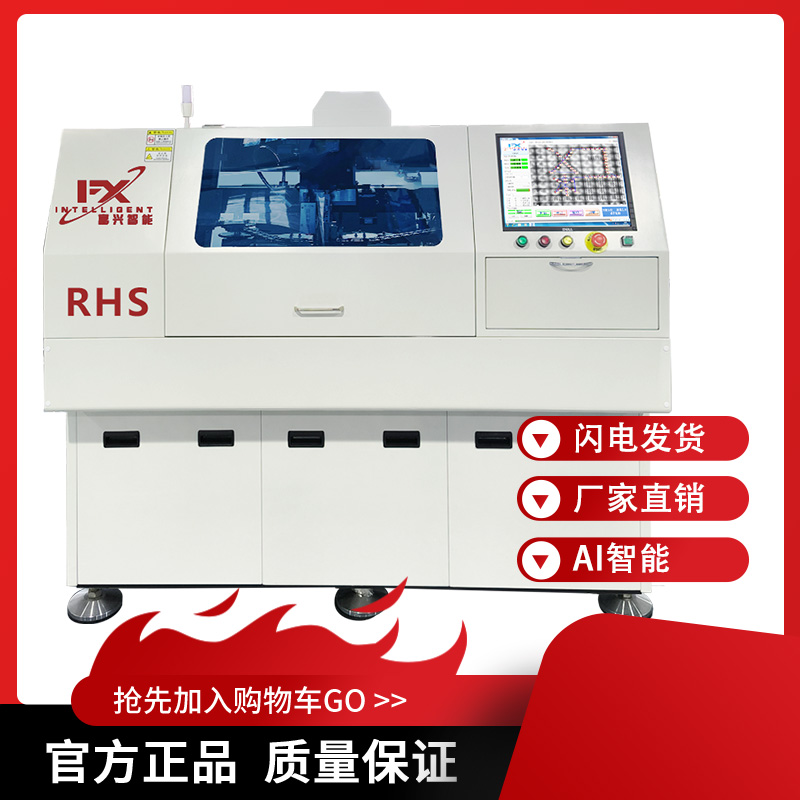
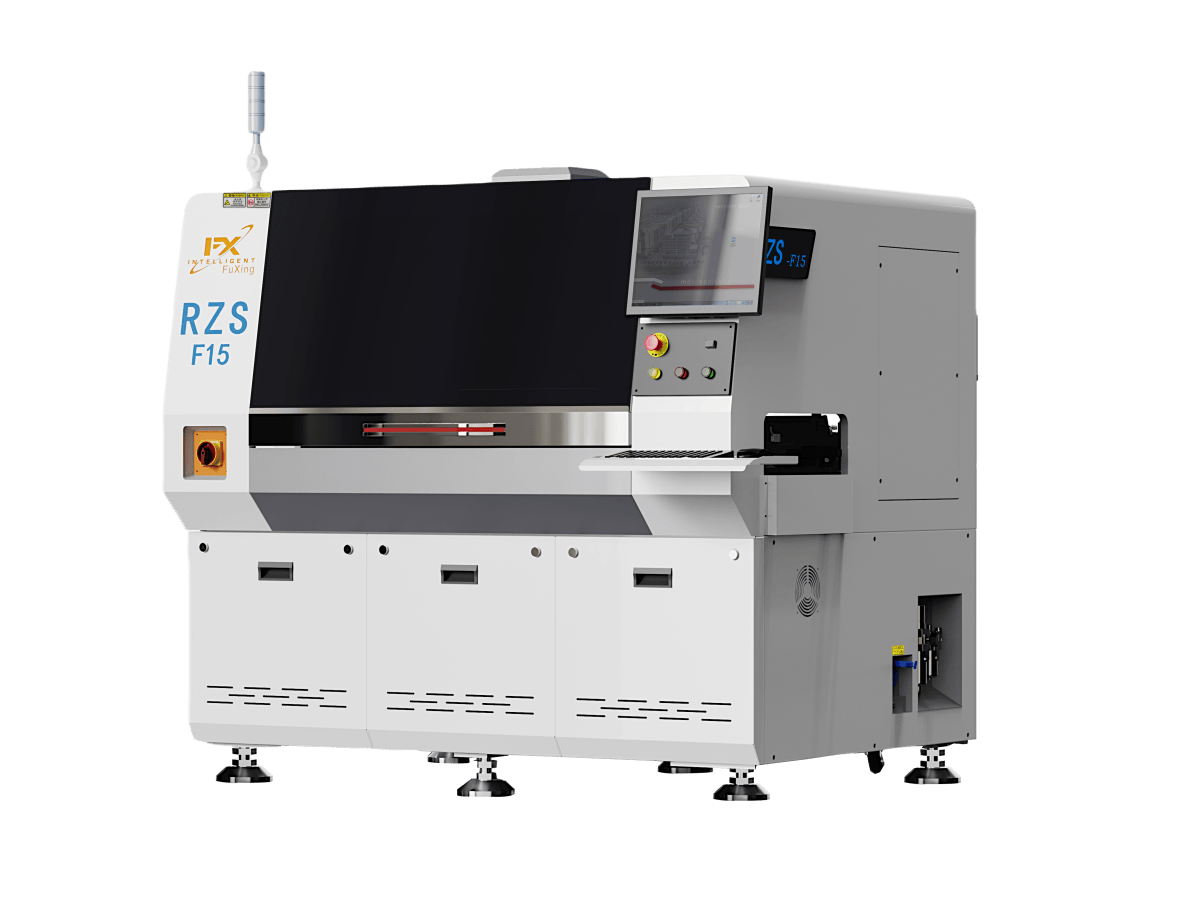
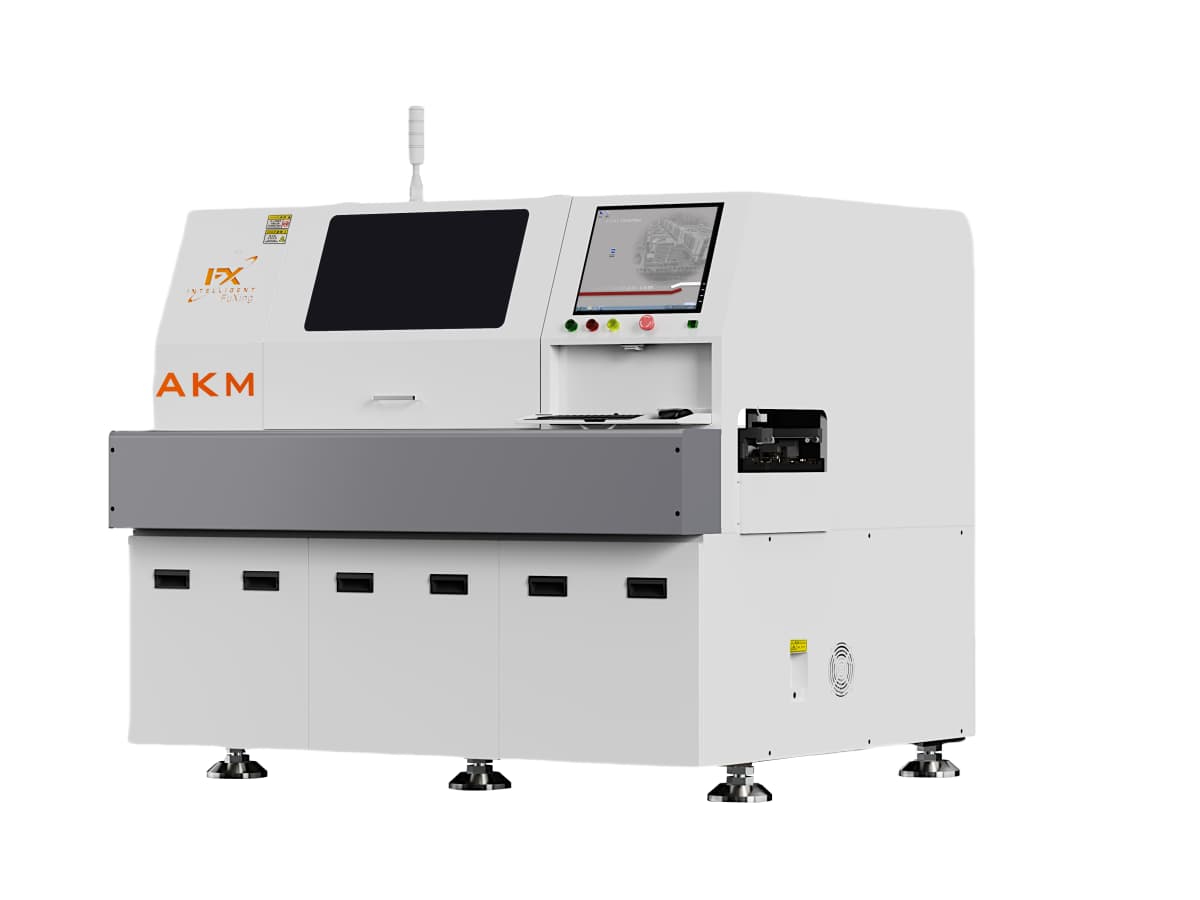
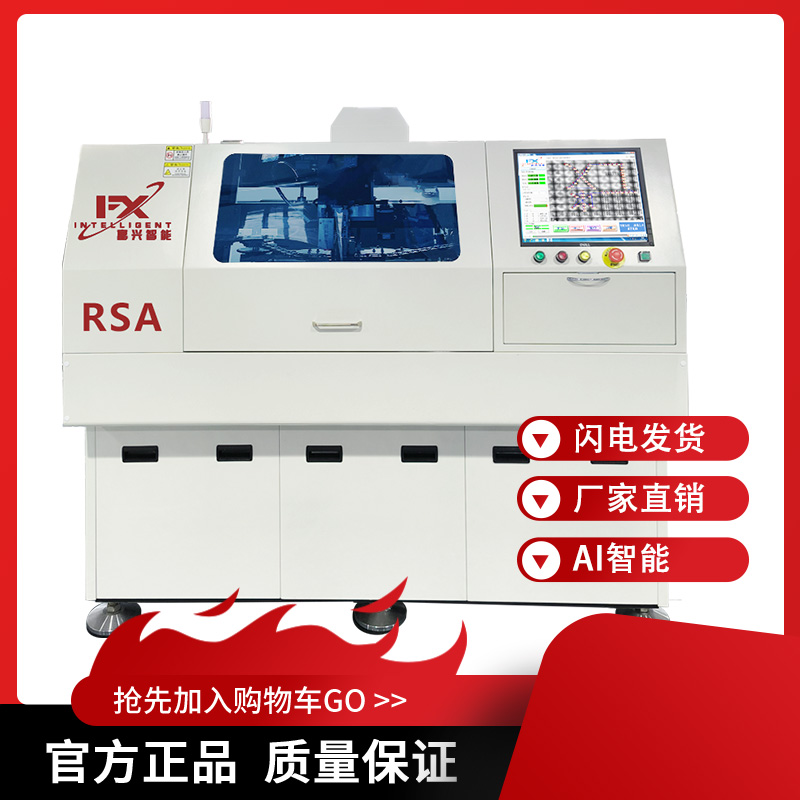
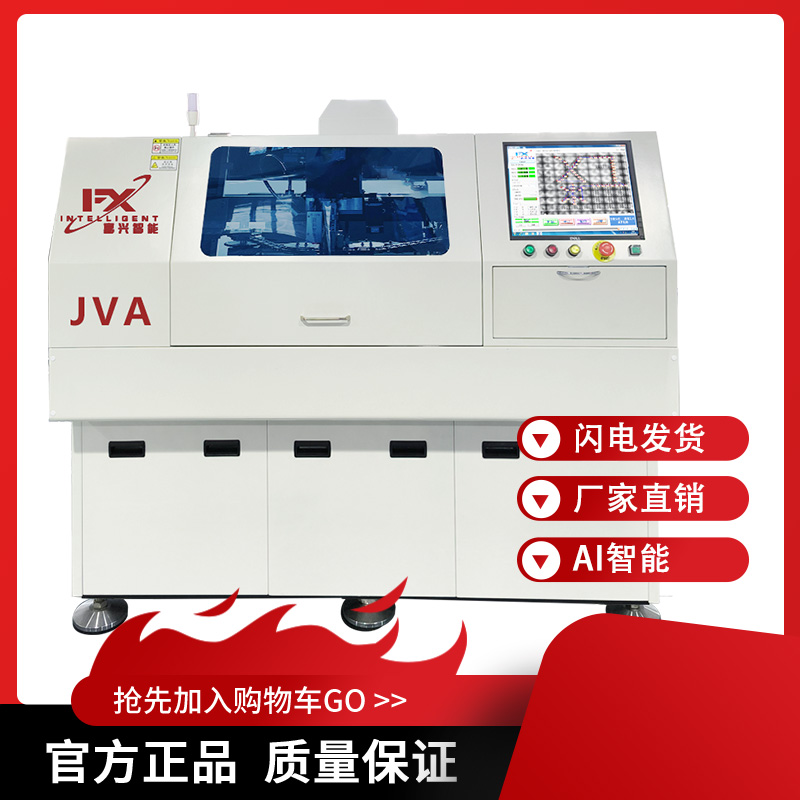
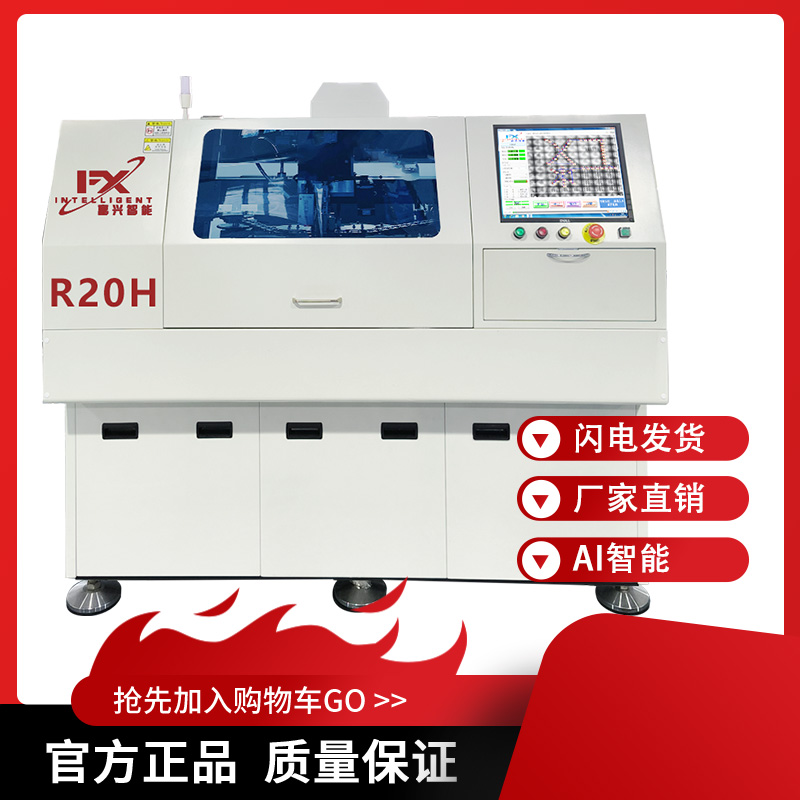
The Y series odd-form inserter is built for exactly this kind of non-standard insertion, with grippers made to the component and tape, tube, tray and vibratory feeding all available. If you are unsure how to split the work, send the BOM and a board and we will run it, then tell you which part belongs on which machine.
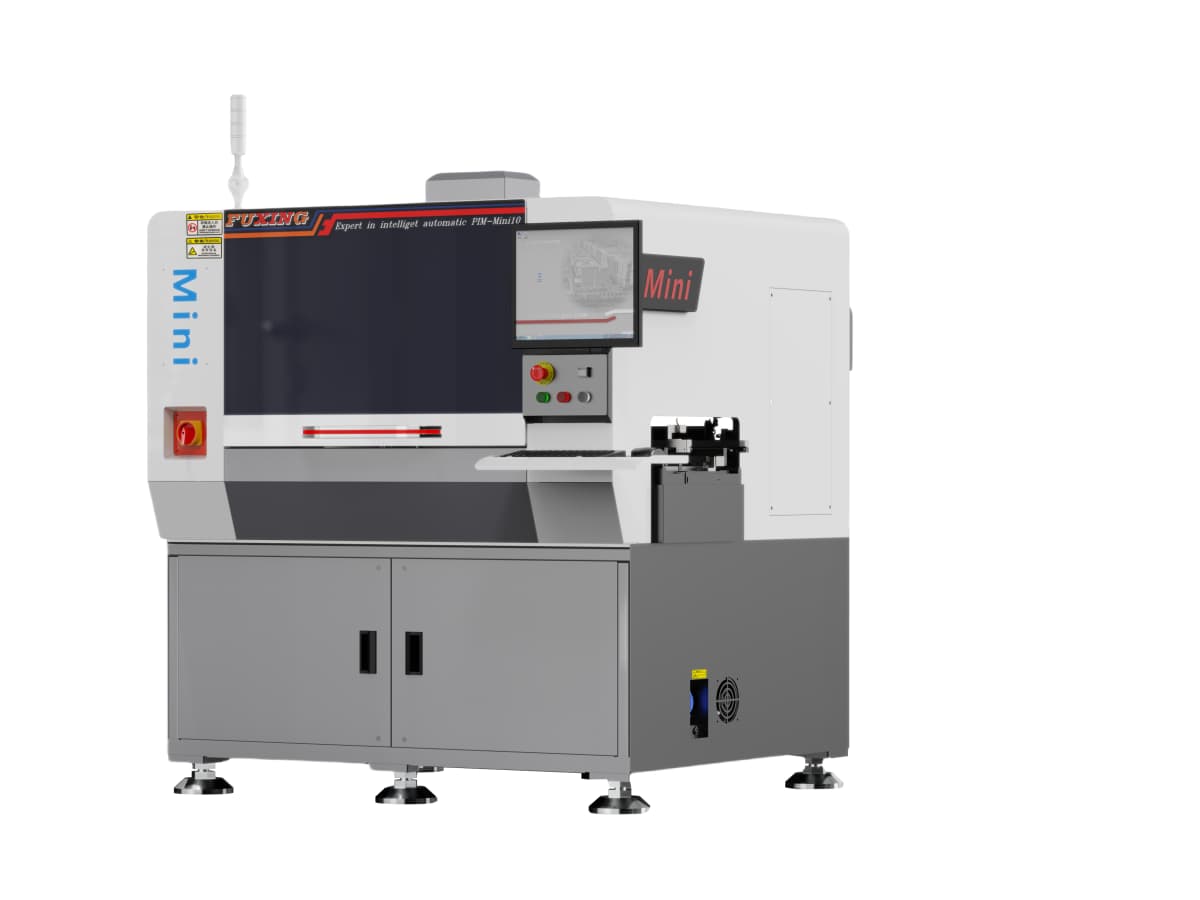
Plants running many variants in small batches often do not need an odd-form machine first. A MINI inserter absorbs the standard components, odd-form parts stay manual for now, and the odd-form unit comes in when volume justifies it. Lower entry cost, less idle capacity.
We have been building insertion equipment for over ten years, with nearly ten thousand units shipped and more than a thousand customers served.
Send your BOM and daily output through our contact page and we will work through the split with you.
Q1: Can an odd-form insertion machine insert resistors and capacitors?
It can, but the economics are poor. At 6,000 to 8,000 points an hour against 20,000 on a standard machine, the cost per insertion is roughly twice as high. Unless the volume is too small to justify a second machine, those parts belong on a vertical or horizontal inserter.
Q2: How many component types can one odd-form machine handle?
It depends on grippers and feeders. A standard package of two or three grippers covers a dozen or so common odd-form parts. Beyond that, grippers and feeding stations are added by category, and the cost has to be budgeted up front.
Q3: What if the odd-form part has no tape?
Tube, tray, vibratory bowl or manual placement all work. Tube suits long thin leads, tray suits connectors that need a fixed orientation, vibratory bowls handle loose small parts, and manual placement covers very low volume. Confirm the feeding rate against the insertion cycle before choosing.

Copyright © 2002-2026 Shenzhen Fulxing Intelligent Equipment Co., Ltd. All rights reserved. ICP License:
Service Hotline