Welcome to Fulxing Intelligent - SMT Automation Equipment
 简体中文

Customer Service Hotline
18565526634
Welcome to Fulxing Intelligent - SMT Automation Equipment
18565526634
Contact: Mr. Yang
Mobile: 18565526634
Tel: 18565526634
Email: 1404870852@qq.com
Address: Songyu Rd 142, Songgang St, Bao'an Dist., Shenzhen, China
Fewer than half of insertion machine faults actually need a service call. A false missing-component alarm, a jam, a failed pick, an off-position insertion, a skipped component and poor lead cutting account for most shop-floor breakdown reports, and none of them requires opening the machine. The difference between someone who finds it and someone who waits is knowing where to look first.
An hour of downtime is 20,000 points of output gone. That arithmetic is why the night shift calls service, and why the operator usually is not the one calling.
Three steps.
Check that the tape is seated. Not in the sprocket holes, pulled sideways, or the clamp cover popped up, and the sensor reads empty. In humid weather the tape softens and sits poorly in the guide, a seasonal problem experienced operators know well.
Wipe the feeder sensor head. Dust and component debris hold a missing-component alarm all night. A lint-free wipe clears most of them.
Only then check the feeder gear. Slipping teeth stop advancing the tape, and that is wear, not dirt.
At the feeder exit and on the rail are two different faults.
A jam at the feeder exit is usually not the machine. Deformed tape, bent leads, tape gone brittle with moisture. Run a fresh reel; if the new one runs, it was material.
A jam on the rail sends you back to two parameters. Component height set too tall, or head travel too long, pushes the part sideways into the edge, and after enough cycles it jams in the same place every time.
Same point for several days running, stop blaming the material. Feel the feeder gear and the magazine rail. Wear is slow, and by the time it jams daily it has been worn for a while.
Nozzle or gripper wear, insufficient vacuum, blocked air path.
Look for chipped edges and deformation first. Then read the vacuum gauge, which should hold above -60kPa for picking. Below that, check supply air at 0.5 to 0.6MPa, then the filter and the fittings.
One thing worth separating out. Plants with unstable shop air see this repeatedly, fine today and back tomorrow, because the pressure itself drifts and the pick force drifts with it, gripping sometimes and not others. Very hard to reproduce on demand. When that is the pattern, stop looking at the machine and check the compressor and receiver tank.
Every board off by the same amount points to vision. Oil mist and dust on the lens shift Mark point recognition, and the machine inserts against the wrong coordinate from the first point to the last.
Progressive drift, correct at the start and worse at the end, points to clamping. The board creeps during insertion. Loose fixtures and worn locating pins both produce this.
Loose rails and a head deformed in a crash are not diagnosable on the floor. Call service.

A previous edit marked a point as bypassed, the machine runs exactly as instructed, and nothing shows on the board. The person who edited the program has moved on and the next operator does not know. Not a rare trap.
Then check the component height parameter. Set too short, the head stops halfway, the machine registers a completed insertion, and the lead hangs above the hole.
Neither is hardware. Both are parameters.
Blade worn, or clearance opened up.
Cutters are consumables, replaced on insertion count, anywhere from a few hundred thousand to a million depending on material and lead thickness. Clearance can be adjusted, and must be test-cut afterwards.
Do not skip this one. Boards with stubby leads bridge in wave soldering, and one rework run costs several times a blade, plus the capacity and labour it ties up.
Servo alarms, drive faults, camera hardware, main board.
Open those and the manufacturer may decline the claim, and a small fault becomes an expensive one. The alarm code settles it fastest. Servo, encoder, camera or communication in the code, call service. Missing component, jam, pick failure, timeout or air pressure, work the six checks above.
Feeder, gripper, nozzle and cutter are all wear items. Cleaning by shift and replacing on throughput costs less than waiting for a failure.
Keep one set on site, with one or two spare feeders and grippers. An hour of downtime buys several sets.
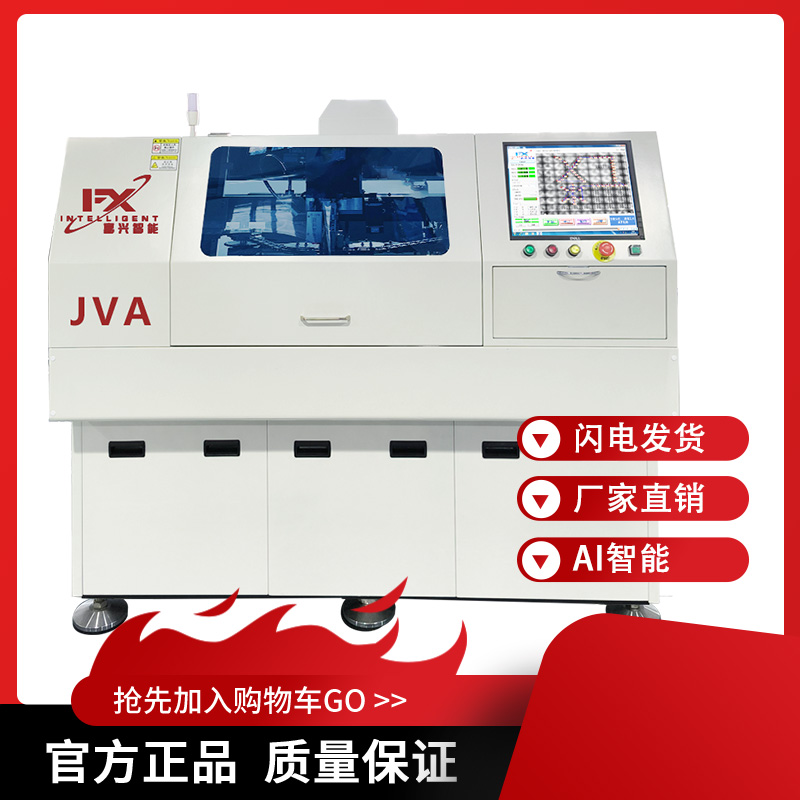
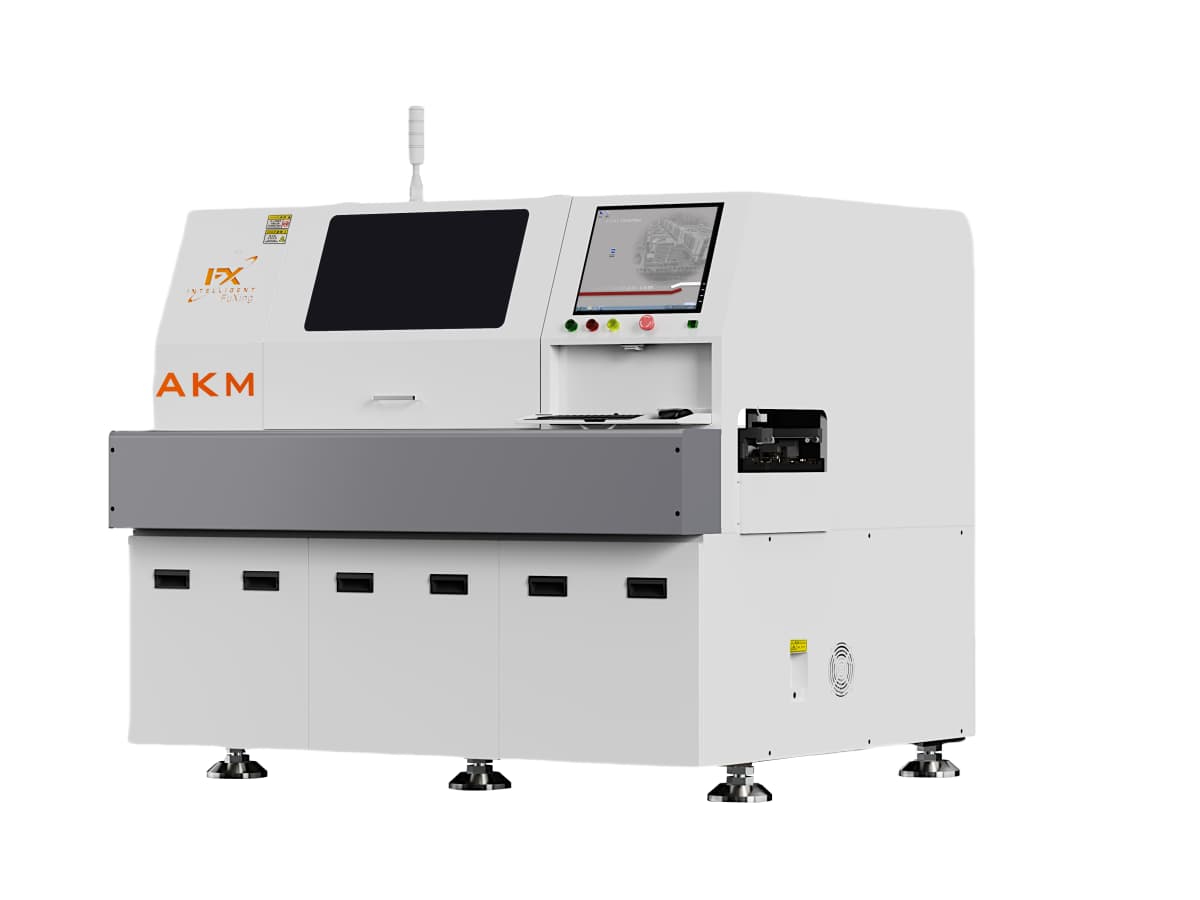
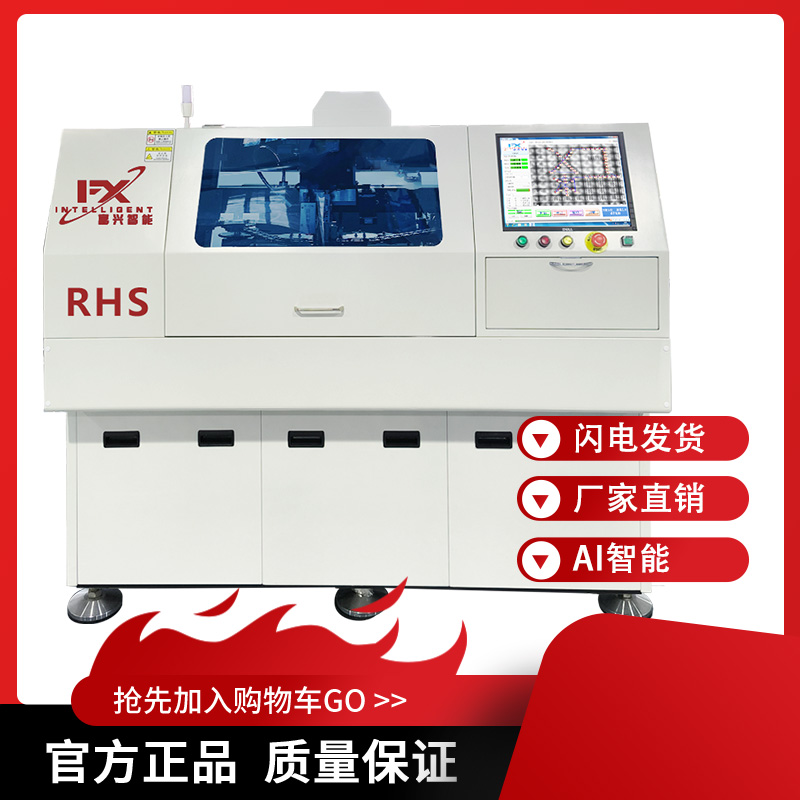
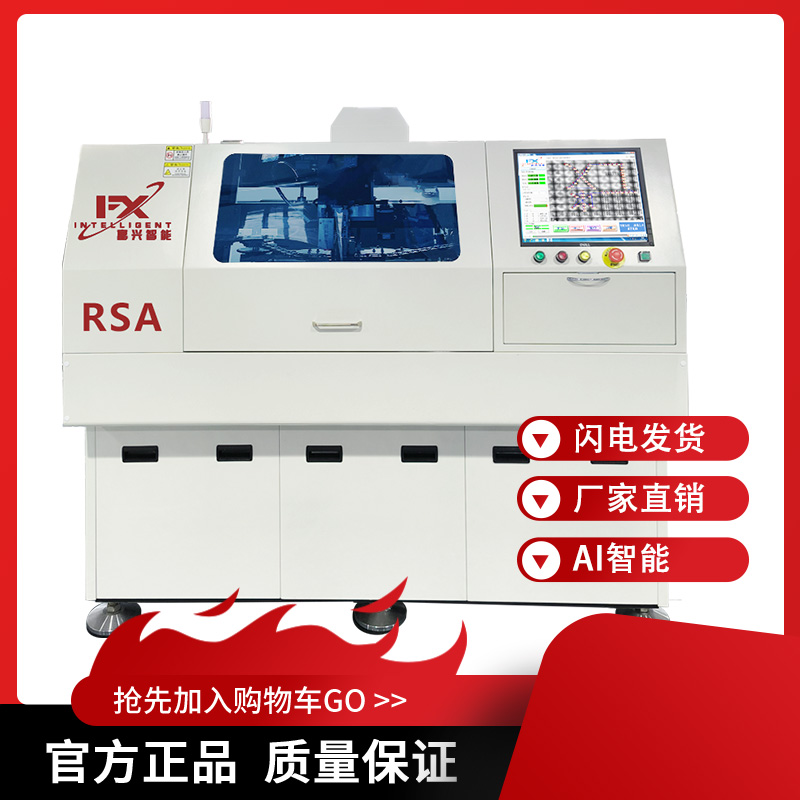
Vertical inserter and horizontal inserter feeders and grippers are not interchangeable, so a shop running both stocks them by machine type. Grabbing the wrong one costs more time than it saves.
Our spare parts section lists feeders, grippers, nozzles and cutters by model.
Nearly ten thousand units in the field and over a thousand customers served, with remote diagnosis covering most alarms. Where an engineer is needed, Guangdong and surrounding provinces are usually within 24 hours, other regions by distance.
Ten-plus years in this business, and the common fault procedures are written up as a handbook handed over at commissioning. Operators who read it clear more than half of the small problems themselves.
If a machine keeps stopping and nobody can find why, send the alarm code and a photo of the station through our contact page. We will look remotely before deciding whether a visit is needed.
Q1: Is a jam the machine's fault or the material's?
Run a fresh reel first. If the new reel is fine, it is material: deformed tape, bent leads, moisture. If it still jams, look at the feeder gear, magazine rail and component height parameter.
Q2: Does an off-position insertion always need the manufacturer?
No. Clean the lens, confirm the board is clamped, check the locating pins. That clears most cases. Uniform offset on every board is usually vision; progressive drift is usually clamping. Loose rails or a deformed head need service.
Q3: How often should wear parts be replaced?
Feeders and grippers by insertion count, cutters by a few hundred thousand to a million cycles, nozzles by visible wear. Cleaning by shift and inspecting monthly beats replacing on a fixed calendar.

Copyright © 2002-2026 Shenzhen Fulxing Intelligent Equipment Co., Ltd. All rights reserved. ICP License:
Service Hotline