Welcome to Fulxing Intelligent - SMT Automation Equipment
 简体中文

Customer Service Hotline
18565526634
Welcome to Fulxing Intelligent - SMT Automation Equipment
18565526634
Contact: Mr. Yang
Mobile: 18565526634
Tel: 18565526634
Email: 1404870852@qq.com
Address: Songyu Rd 142, Songgang St, Bao'an Dist., Shenzhen, China
Small appliance boards are the reverse of air conditioner boards: few points, many variants, small batches.
One shop runs water dispenser, rice cooker, soy milk maker, humidifier and fan boards side by side, each 50 to 200 points, each batch a few hundred to a few thousand pieces. Machine selection follows completely different logic from a plant running large orders.
Few points. A rice cooker control board often carries under 100 points. A water dispenser board carries fewer still, and fifty or sixty counts as a busy one.
Many variants. A dozen or twenty different boards in one shop is normal, with changeovers every few days.
A high share of non-standard parts. Relays, LED displays, tact switches, small transformers and fuse holders take a larger proportion of points here, simply because the board has few points to begin with.
All three point the same way: changeover time deserves more attention than cycle time.
Say five variants a day, 800 pieces each.
Manual changeover means program edits, fixture swaps, rail adjustment and a first article check, one to two hours for someone unfamiliar. Five variants is five to ten hours, and the productive day is gone.
With stored programs, the same work is program recall, reel changes and a first article check, about ten minutes for an experienced operator. Five variants, fifty minutes, and the day still produces.
That is why small appliance plants should look at program storage and changeover speed first, and cycle time second. A plant running one or two variants a day has the opposite priority, and should size on cycle time and feeder stations instead.
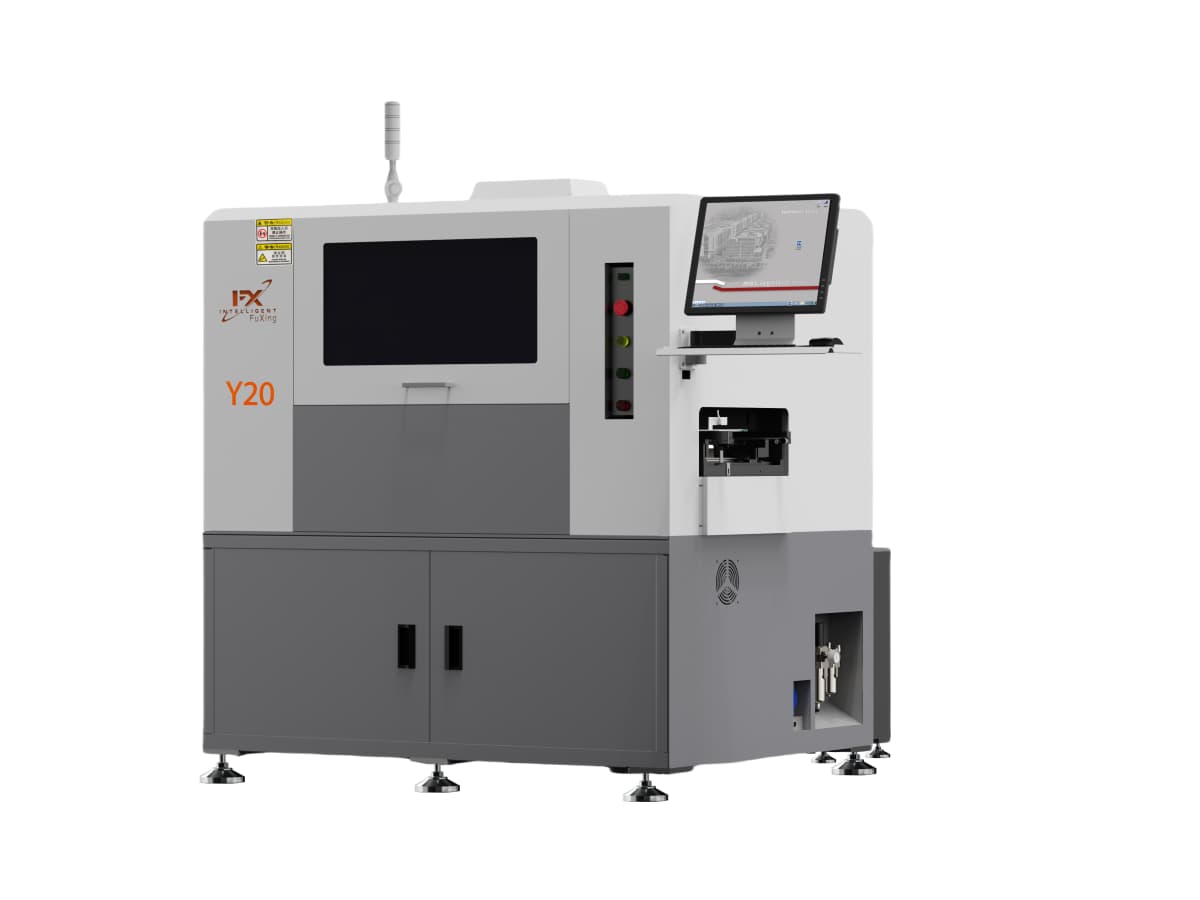
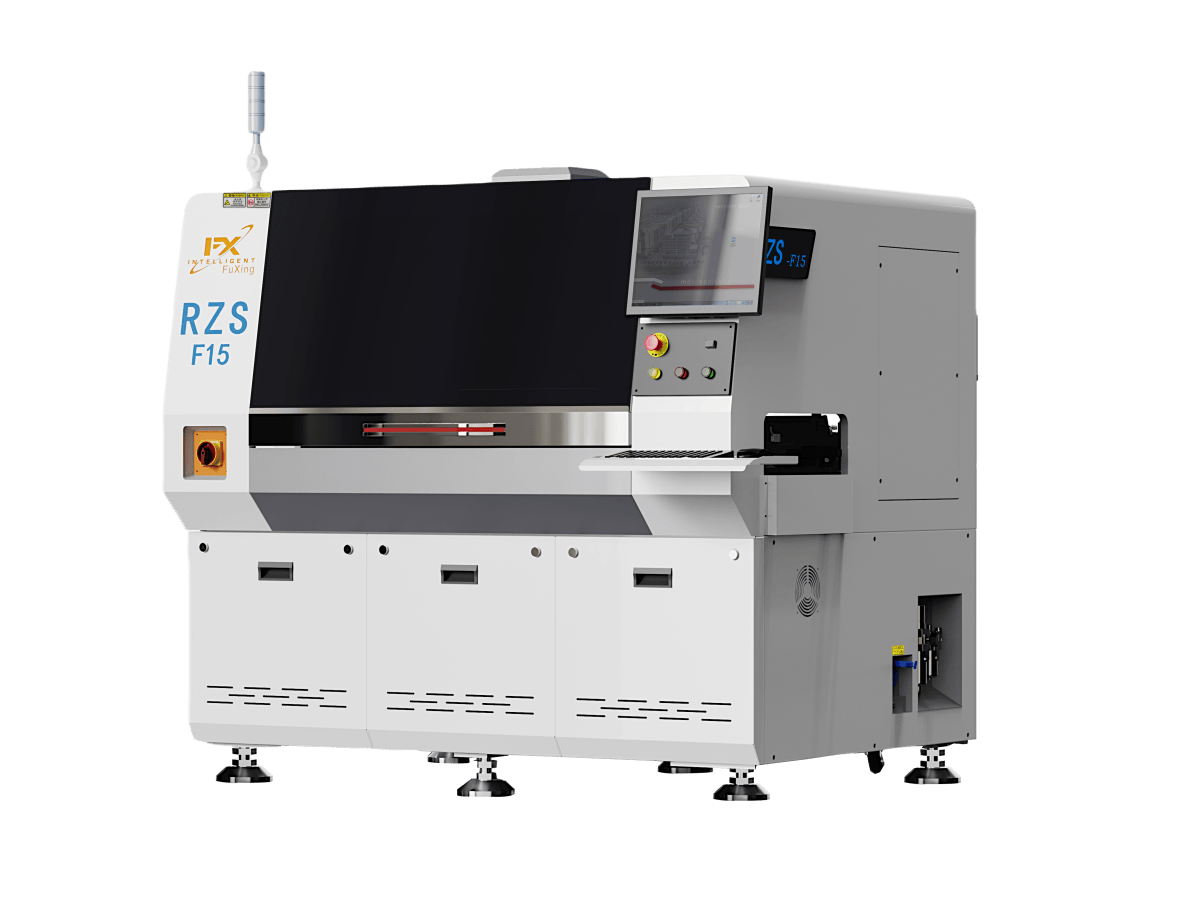
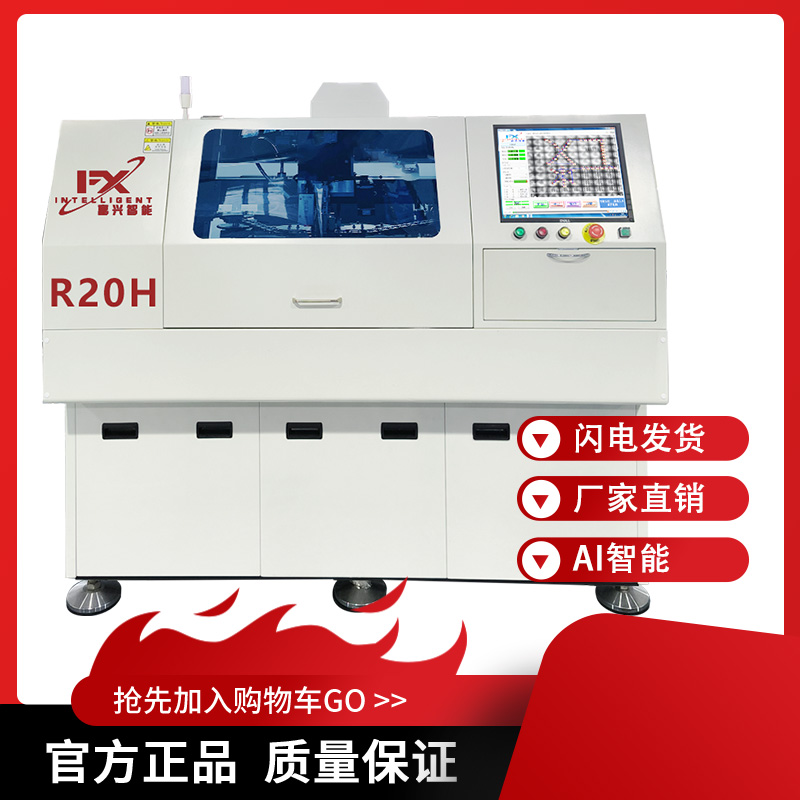
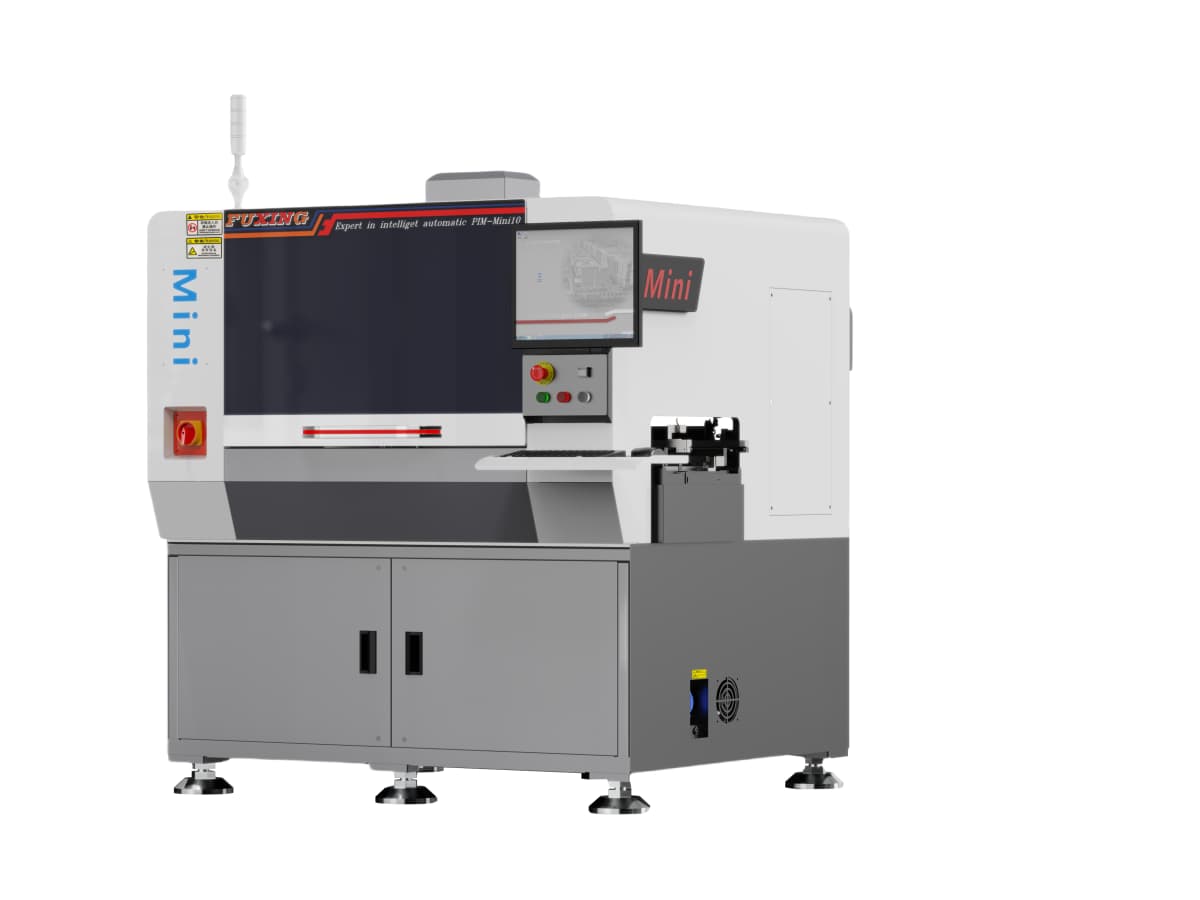
A single MINI. The MINI inserter covers about two square metres, handles taped radial parts, and stores tens of thousands of programs. For many variants, small batches and modest board sizes, one unit is the safest start. The limit is no odd-form capability.
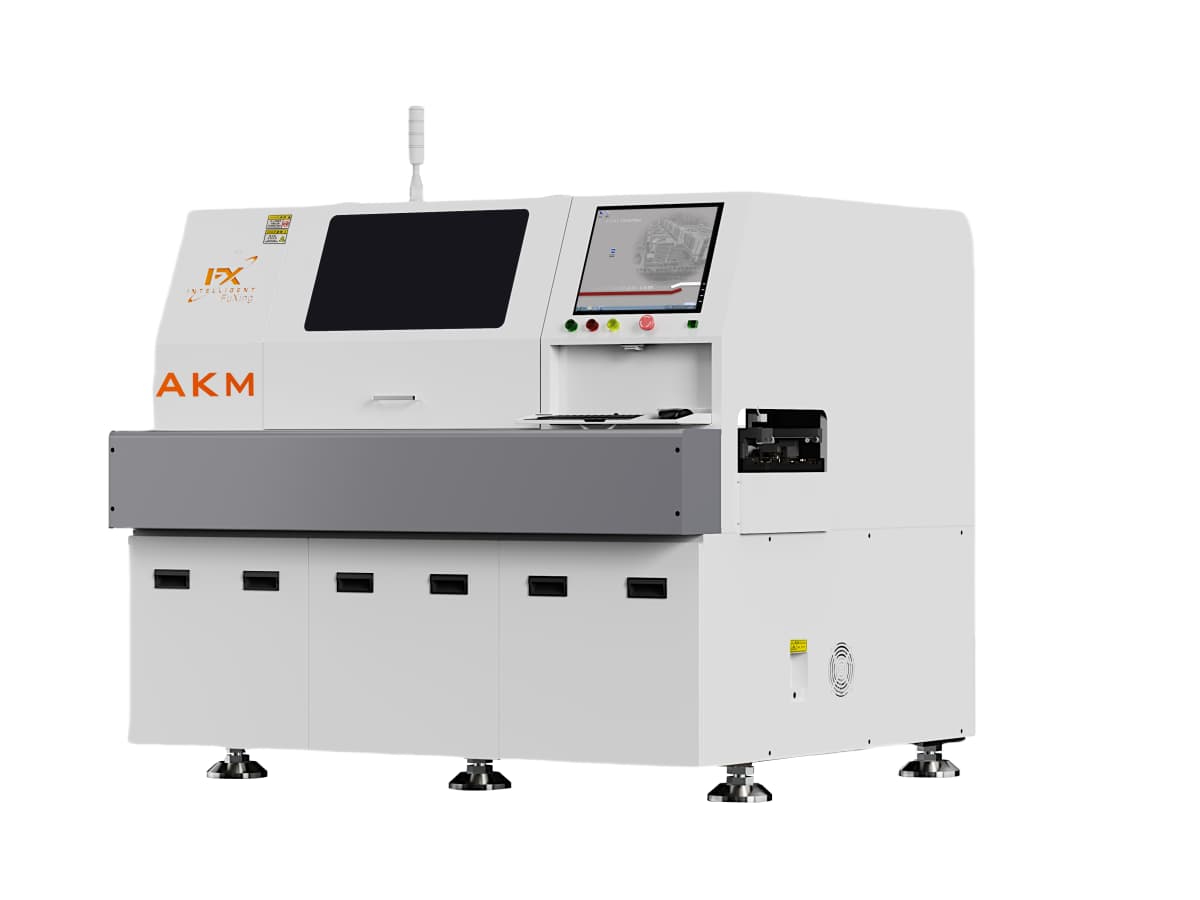
MINI plus odd-form. Where boards carry several relays and transformers, add an odd-form machine. Standard and non-standard parts run on separate machines. This combination is the most common in small appliance plants.
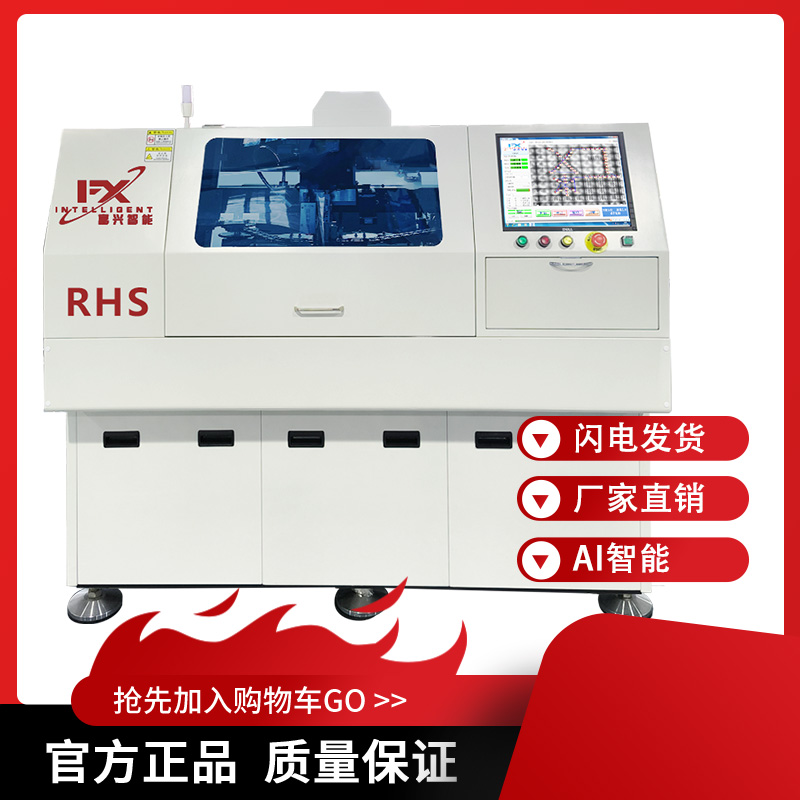
Standard plus odd-form. Above tens of thousands of boards a day, a vertical inserter takes the taped parts at full speed, with an odd-form machine alongside.
The wrong configuration: one standard machine expected to cover everything. The odd-form parts stay manual, nobody is released, and the money is spent.
They insert, but there are two floors.
Minimum rail width. Some water dispenser boards are as narrow as 80mm, and the rail cannot clamp them, so a carrier fixture is needed. Quote the smallest board, not only the largest.
Board thickness. Below 0.8mm without support, the board flexes during insertion and the part either misses or goes in crooked. Add a support plate underneath, or panelize.
Panelizing has a second benefit. Once small boards are combined into a larger panel, the machine inserts dozens at a pass, the rail clamps properly, and manual handling halves. For small appliance plants panelizing is close to standard practice: panelize before insertion, depanelize after, with a depanelizer as part of the line.
Sizing machines for air conditioner boards. Small appliance boards carry few points, and a large machine becomes a truck delivering parcels, with depreciation that never gets absorbed.
Ignoring changeover time. In a shop changing five variants a day, changeover efficiency matters more than cycle time, which means program management and operator training have to keep up.
Underestimating odd-form volume. A board may show only a few relays, but at 50,000 boards a day that is hundreds of thousands of points, and manual insertion cannot keep up. Total the BOM before deciding.
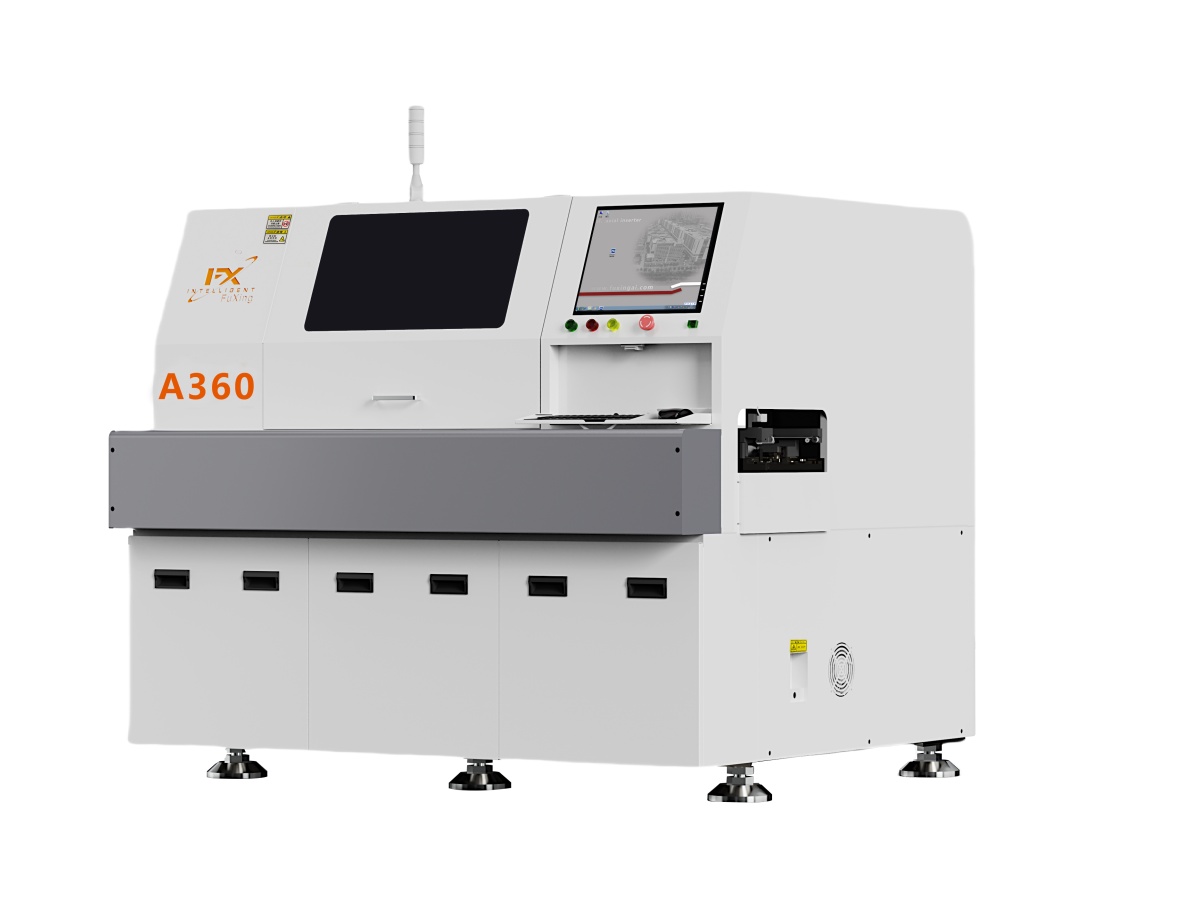
For small appliances, the MINI is the usual first machine, two square metres and about ten minutes per changeover. Larger volumes move to the vertical range at 20,000 points an hour, with an odd-form machine added where non-standard parts justify it.
Nearly ten thousand units in the field and over a thousand customers served, with plenty of multi-variant lines among them, including shops running a dozen variants at once.
Send the BOM, the number of variants per day and the batch size through our contact page and we will size the combination from changeover count and total points.
Q1: Does a small appliance plant need an insertion machine at all?
Depends on variants and batch size. At a few hundred pieces per batch with several changeovers a day, work out the labour cost first. Above 30,000 points a day, or where hiring is difficult, the machine pays.
Q2: Can one MINI cover every small appliance board?
Taped radial parts, yes. Odd-form parts, no. Where boards carry many relays and transformers, add an odd-form machine or leave that portion manual during the transition.
Q3: Will small boards fail to insert?
The rail has a minimum width, so narrow boards need a carrier. Boards under 0.8mm thick need a support plate, otherwise they deflect during insertion.

Copyright © 2002-2026 Shenzhen Fulxing Intelligent Equipment Co., Ltd. All rights reserved. ICP License:
Service Hotline