Welcome to Fulxing Intelligent - SMT Automation Equipment
 简体中文

Customer Service Hotline
18565526634
Welcome to Fulxing Intelligent - SMT Automation Equipment
18565526634
Contact: Mr. Yang
Mobile: 18565526634
Tel: 18565526634
Email: 1404870852@qq.com
Address: Songyu Rd 142, Songgang St, Bao'an Dist., Shenzhen, China
Air conditioner control boards carry the widest component mix of any appliance board.
An inverter outdoor unit board holds rows of taped small parts, a few bulky relays and transformers, and several connectors that need real insertion force. No single machine handles all of it, and the wrong combination leaves one machine idle while another becomes a queue.
Insertion method is the basis for everything else.
Taped radial parts. Electrolytic capacitors, ceramic capacitors, radial resistors, transistors, LEDs, inductors. Uniform orientation, regular packaging, vertical inserter work at 0.16 to 0.2 seconds per point.
Taped axial parts. Colour-band resistors, diodes, fuses, jumper wires. Inserted lying flat, on a horizontal machine at a similar rate.
Non-standard parts. Relays, switching transformers, display headers, fan sockets, terminal blocks, tact switches, buzzers. No tape, irregular shapes, odd-form machine or manual insertion.
The third group runs at a higher share on air conditioner boards than on most appliance boards. That is the main difference from a TV board or a set-top box board.
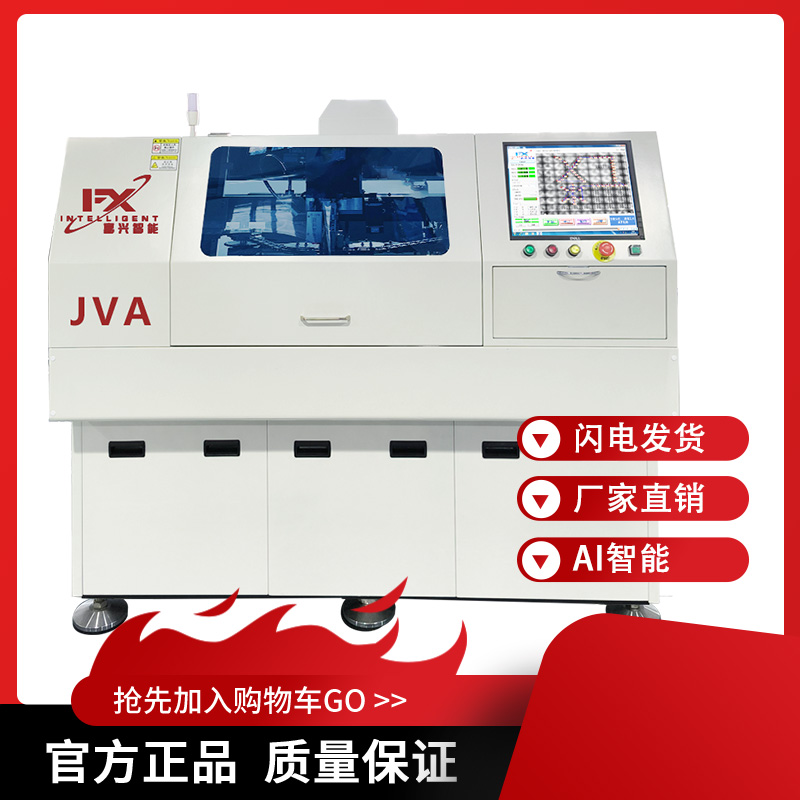
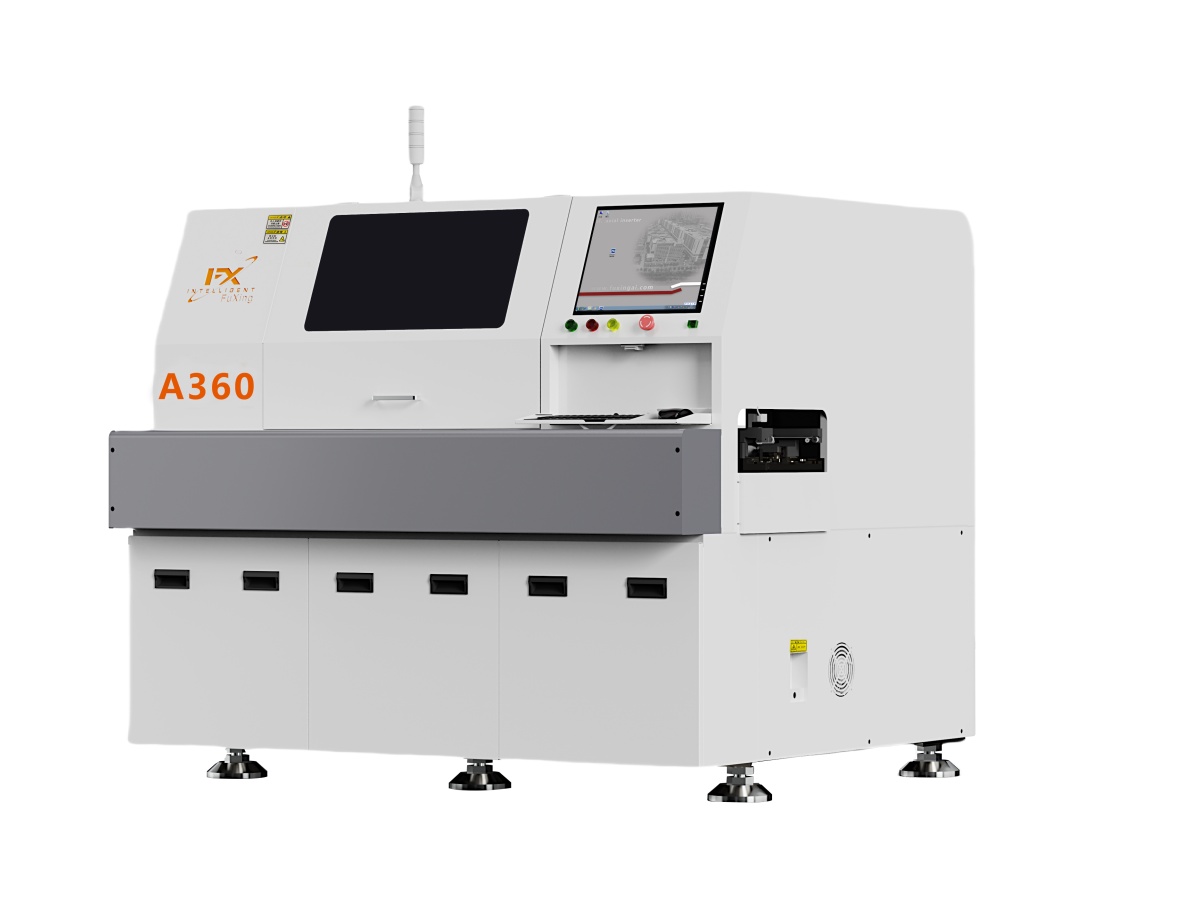
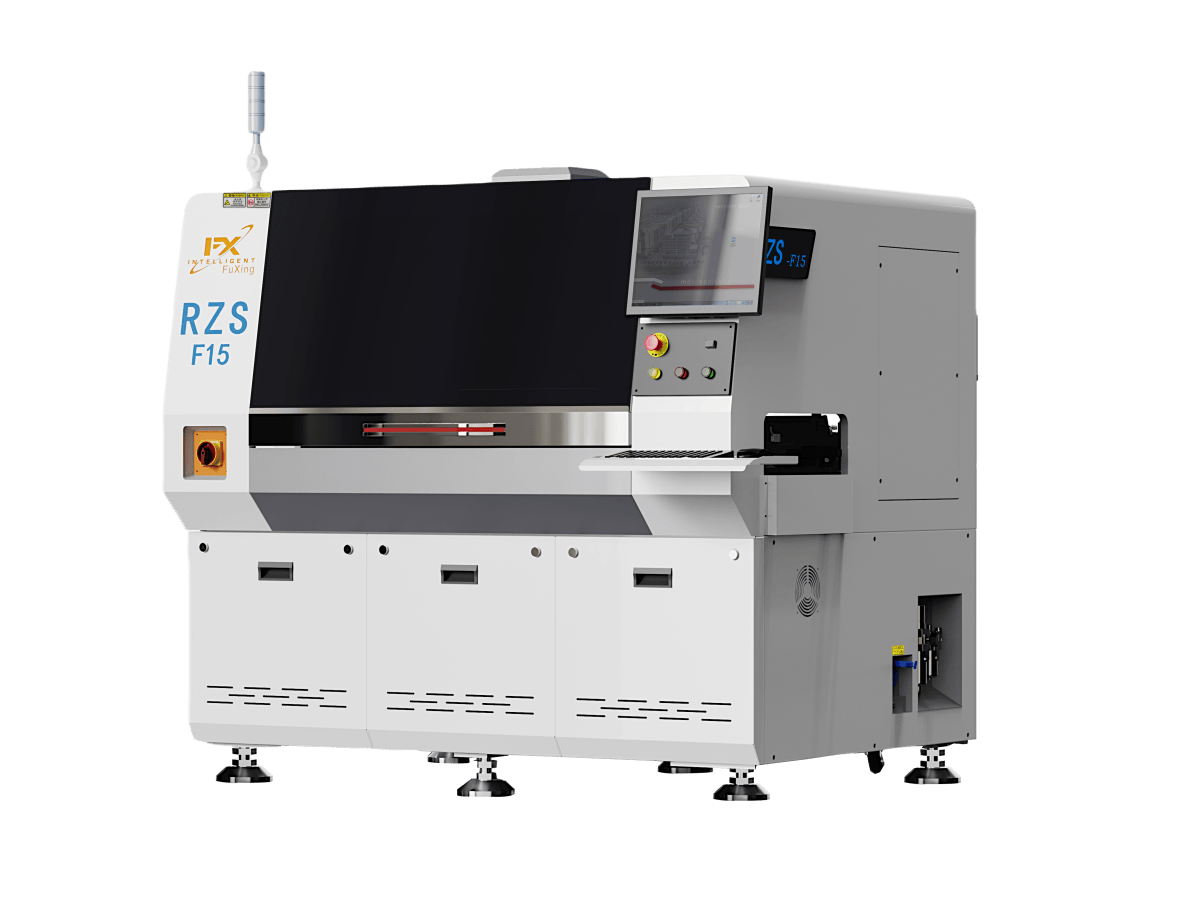
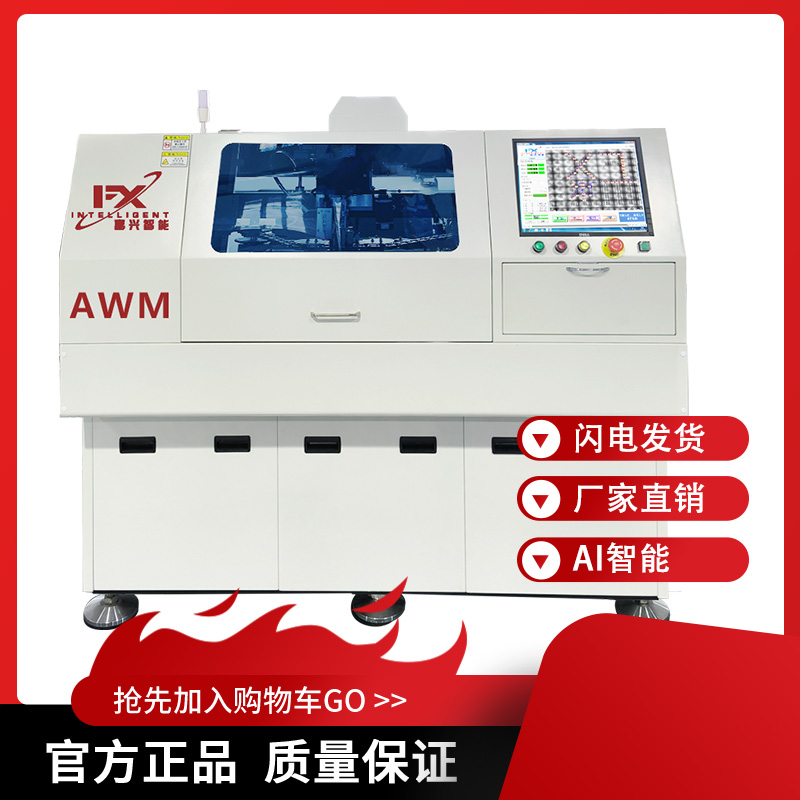
The vertical machine takes every taped radial part.
On a 200-point air conditioner board, taped parts account for roughly 130 to 150 points, leaving the rest non-standard. That ratio means the vertical machine removes about seventy percent of the work.
Two figures decide the model: feeder station count and span.
Station count sets how many component types load at once. Electrolytic capacitors on these boards run from 6.3V to 450V across several case sizes, so capacitors alone occupy a dozen stations. Above 25 component types, specify at least 30 stations, otherwise the machine stops mid-run for reel changes.
Span covers 0.4 to 1 inch. Some ceramic capacitors on these boards sit wider than that, and those have to be routed elsewhere.
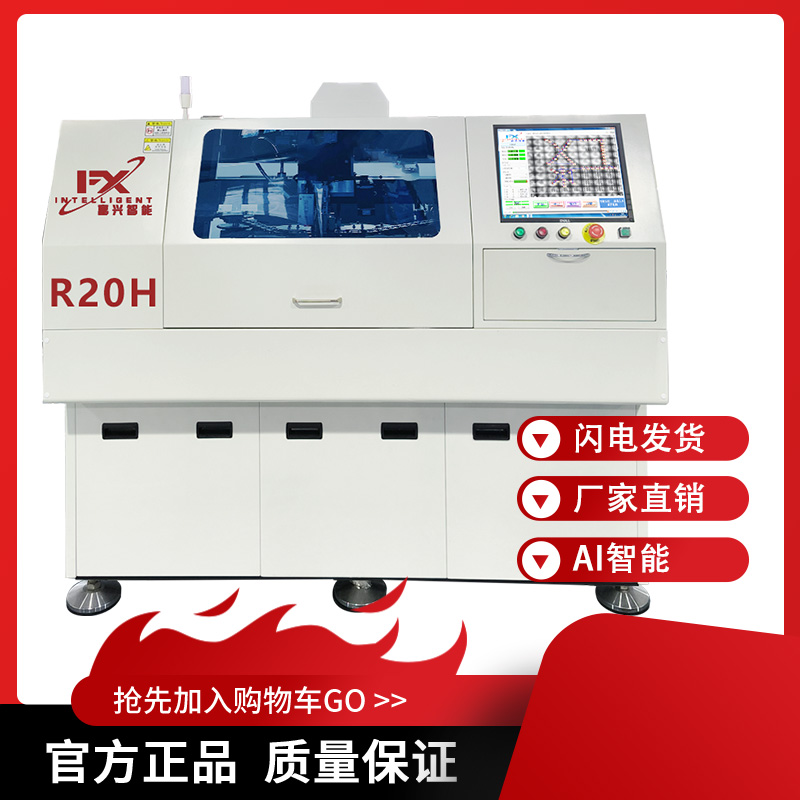
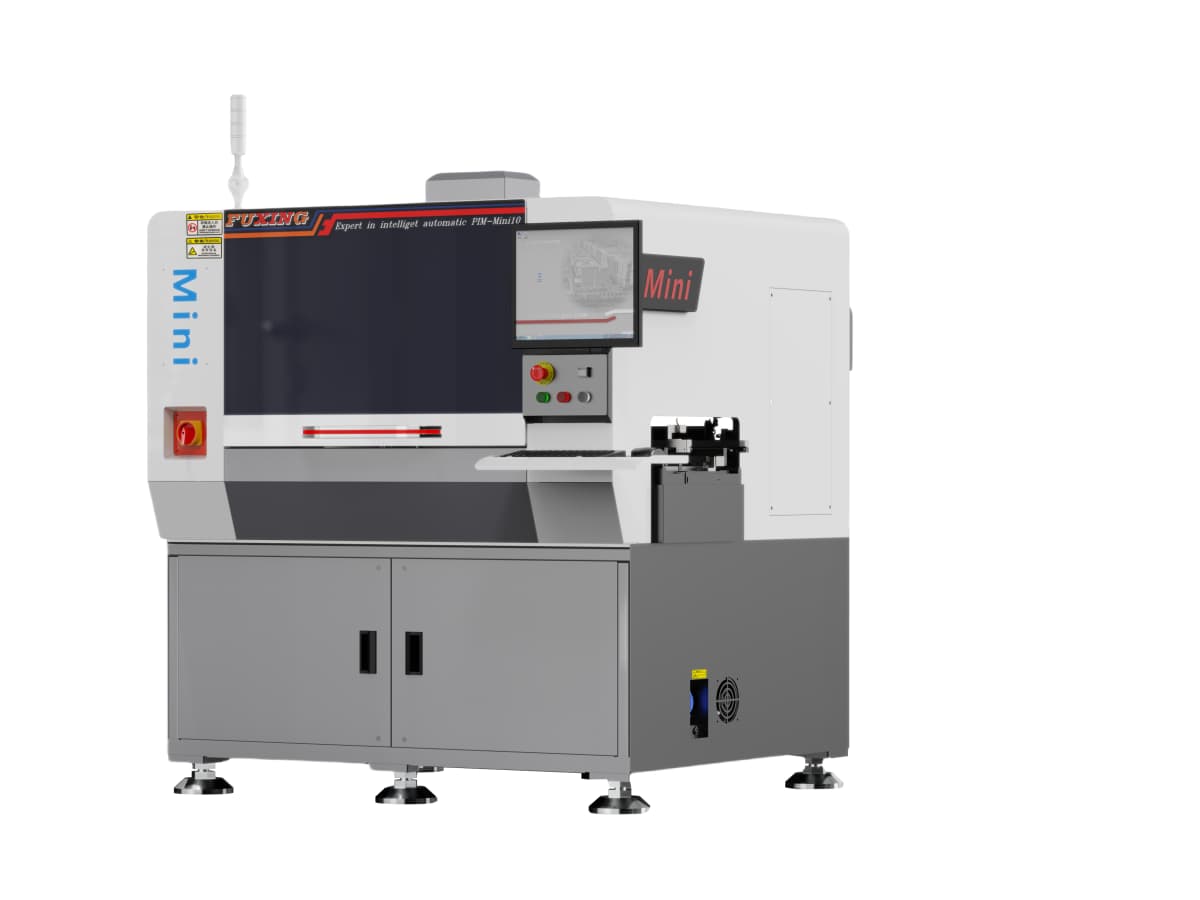
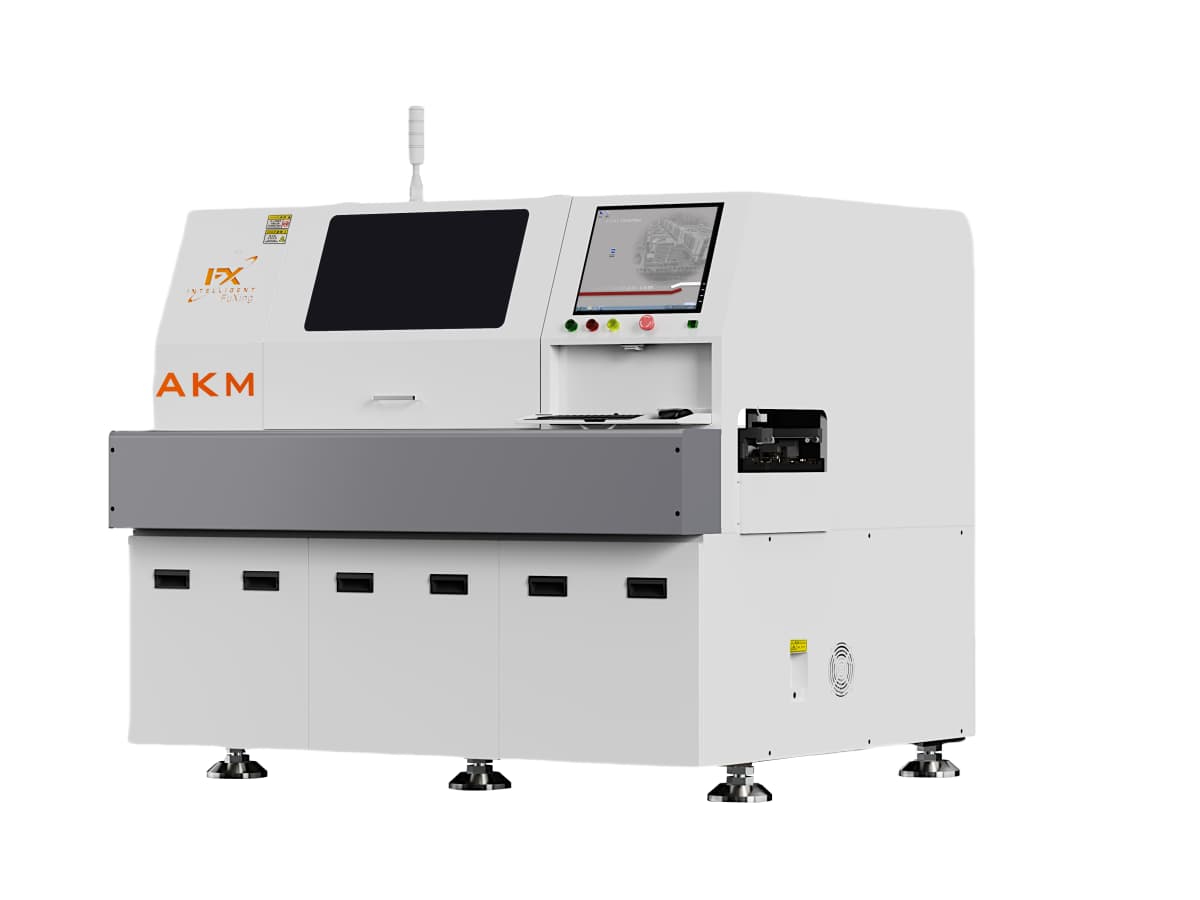
Everything non-standard goes to the odd-form machine.
Relays are the clearest case. A compressor relay is large with thick leads. Too little downward force and it never seats; too much and the housing cracks. Servo control on an odd-form machine allows a force limit, which is exactly what hand insertion cannot hold consistently.
Switching transformers, display headers and fan sockets behave the same way. Irregular shape, no tape, tight insertion depth.
The machine is slow: 0.4 seconds per point, 9,000 an hour, under a third of a vertical machine. But an air conditioner board only carries forty to sixty non-standard points, so one odd-form machine dedicated to them is enough.
Take a concrete case. 3,000 control boards a day, 200 points each, 140 taped and 60 non-standard.
Taped points total 420,000. At 70 percent utilization a vertical machine runs 14,000 points an hour, so 220,000 points across two shifts. Two machines cover it with headroom.
Non-standard points total 180,000. At 9,000 an hour, sixteen hours gives 144,000, so one machine is tight and two are comfortable. In practice non-standard work rotates across several boards on one machine.
The typical configuration is one or two vertical machines plus one odd-form. That ratio recurs on air conditioner boards.
Relay height. Large power relays on these boards reach 30mm. Odd-form head travel usually reaches 40mm, which looks sufficient until gripper opening and board thickness are added.
Capacitor diameter. A 450V electrolytic can exceed 18mm across, and some grippers do not open that far.
Header pitch. Display headers come in 2.0mm and 2.54mm, so the span parameter has to cover both.
High-voltage clearance. Boards carry 220V traces. The insertion head cannot travel over that zone, so the program sequence has to route around it.
The vertical range covers 0.16 to 0.2 seconds per point with feeder stations configurable past thirty. The odd-form range handles relays and transformers up to 150g by suction, 200g by gripping, within 40mm in length, width and height.
For a mixed board like this we sort the component list into groups first, then size the machine count. Nearly ten thousand units in the field and over a thousand customers served, with a substantial share in appliances.
Send the BOM and daily output through our contact page and we will split taped from non-standard and tell you how many machines it takes.
Q1: Can one machine insert an entire air conditioner control board?
No. Taped parts and non-standard parts insert differently and one machine cannot cover both. The usual setup is a vertical machine plus an odd-form machine, and plants with very few odd-form parts can leave that portion manual for now.
Q2: Is one vertical machine enough?
It depends on daily output. Under 100,000 points a day, one is enough; above 200,000, two. Air conditioner boards are point-heavy, so 3,000 boards a day needs two.
Q3: If odd-form parts are few, must we still buy an odd-form machine?
Not necessarily. Under 20,000 non-standard points a day, manual insertion may cost less. Above that, or where insertion depth consistency matters, the machine earns its place.

Copyright © 2002-2026 Shenzhen Fulxing Intelligent Equipment Co., Ltd. All rights reserved. ICP License:
Service Hotline