Welcome to Fulxing Intelligent - SMT Automation Equipment
 简体中文

Customer Service Hotline
18565526634
Welcome to Fulxing Intelligent - SMT Automation Equipment
18565526634
Contact: Mr. Yang
Mobile: 18565526634
Tel: 18565526634
Email: 1404870852@qq.com
Address: Songyu Rd 142, Songgang St, Bao'an Dist., Shenzhen, China

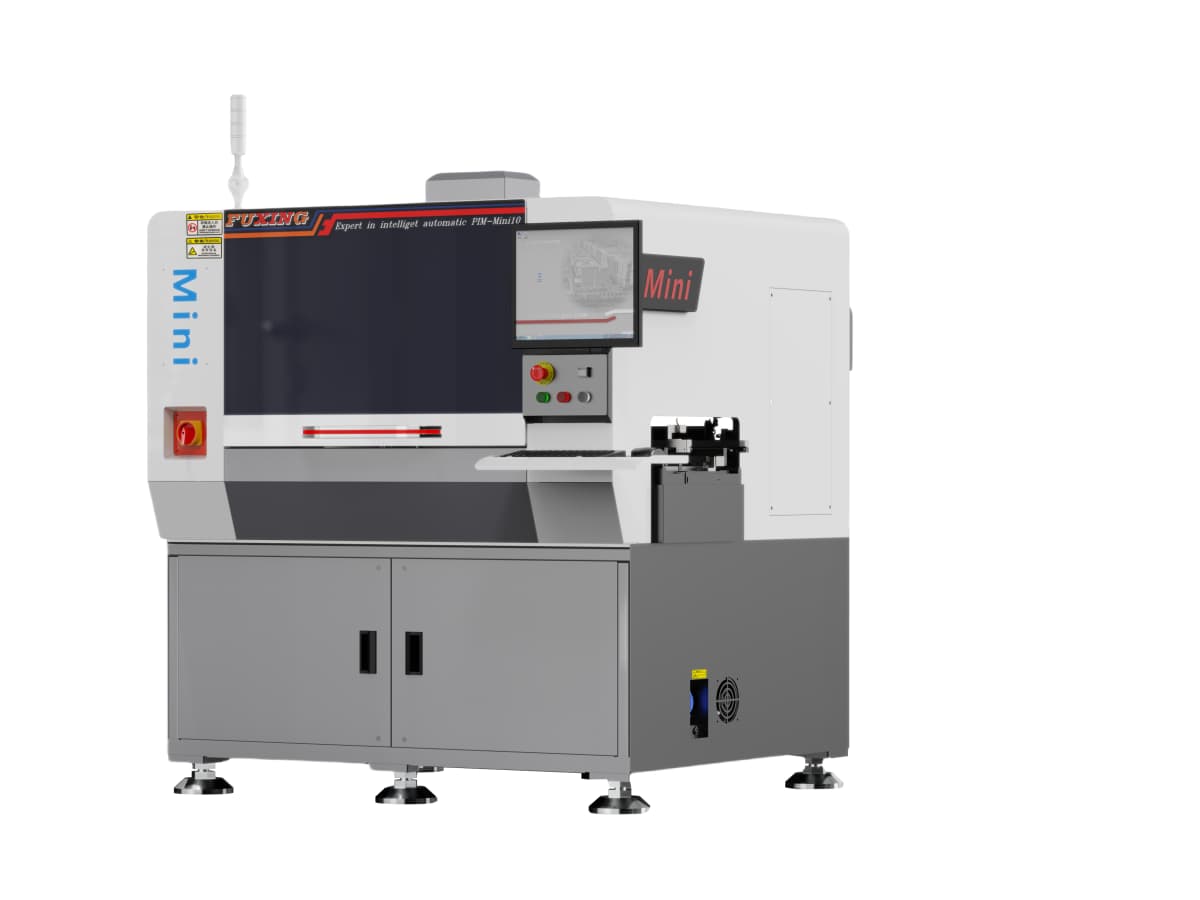
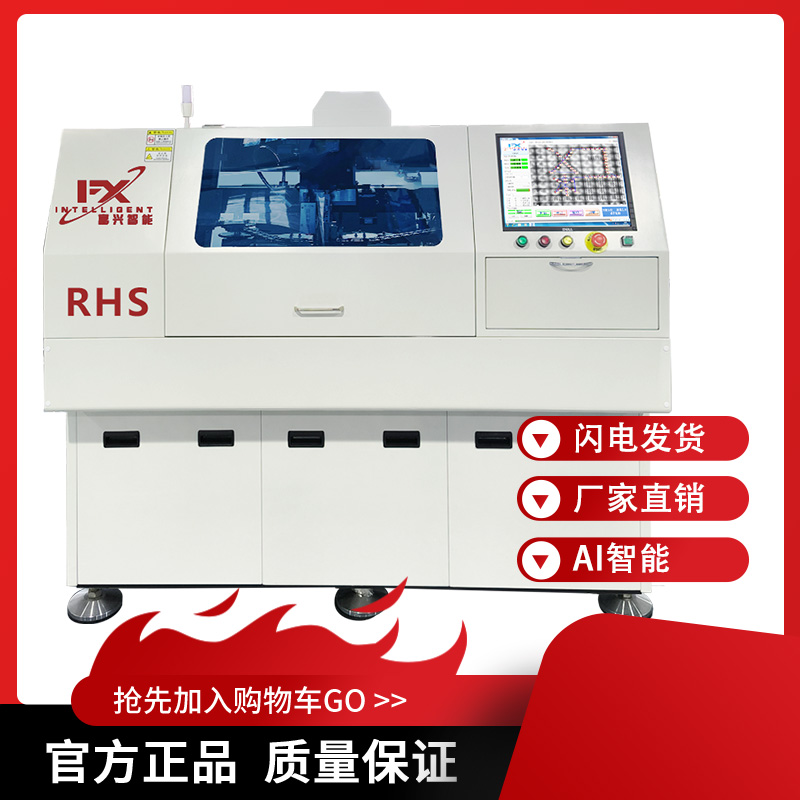
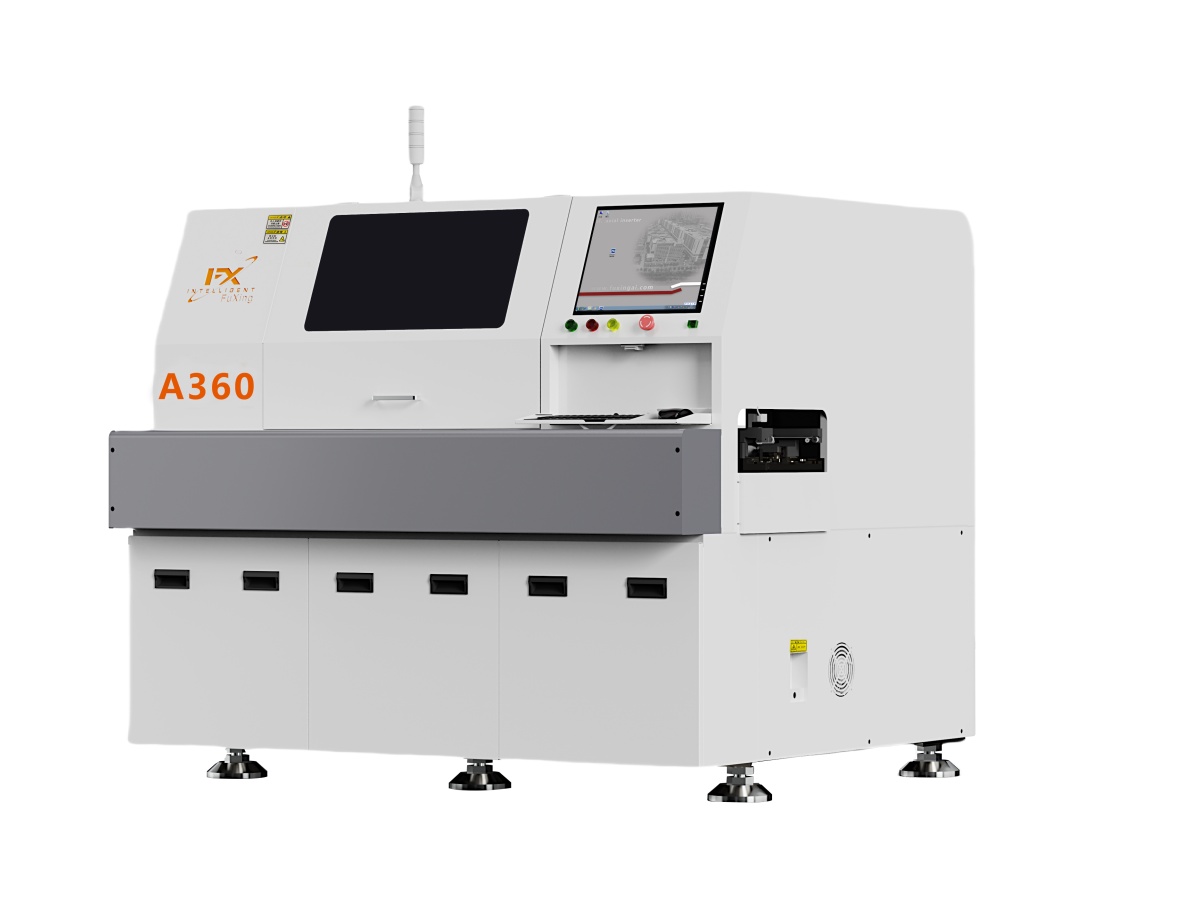
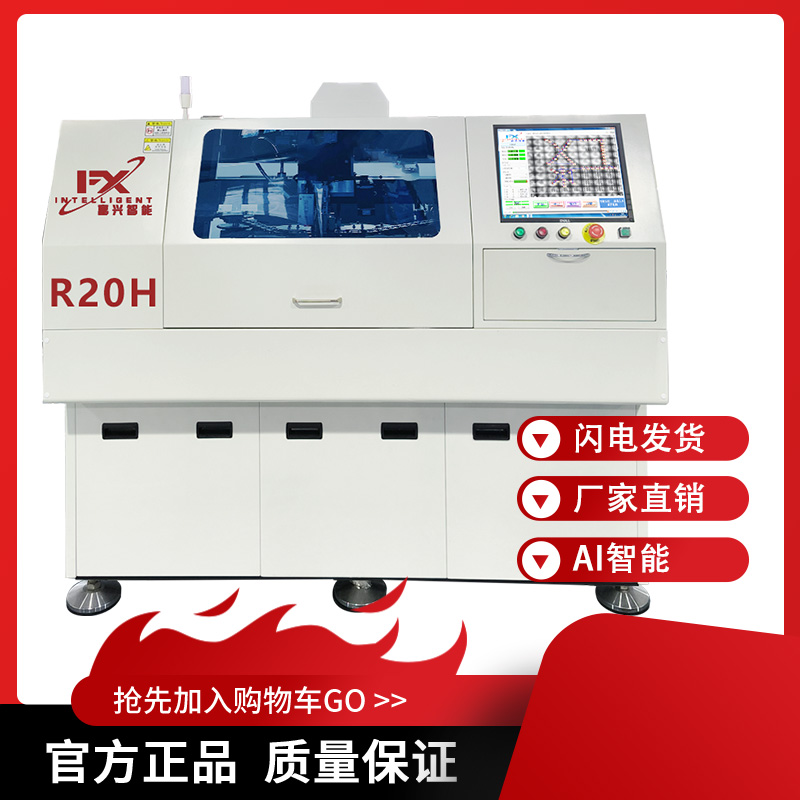
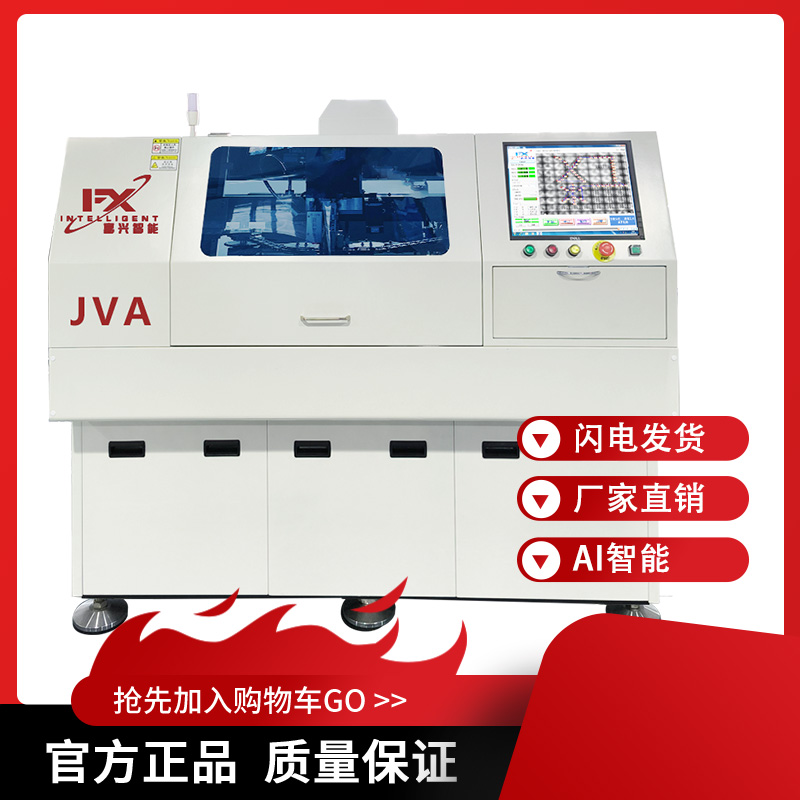
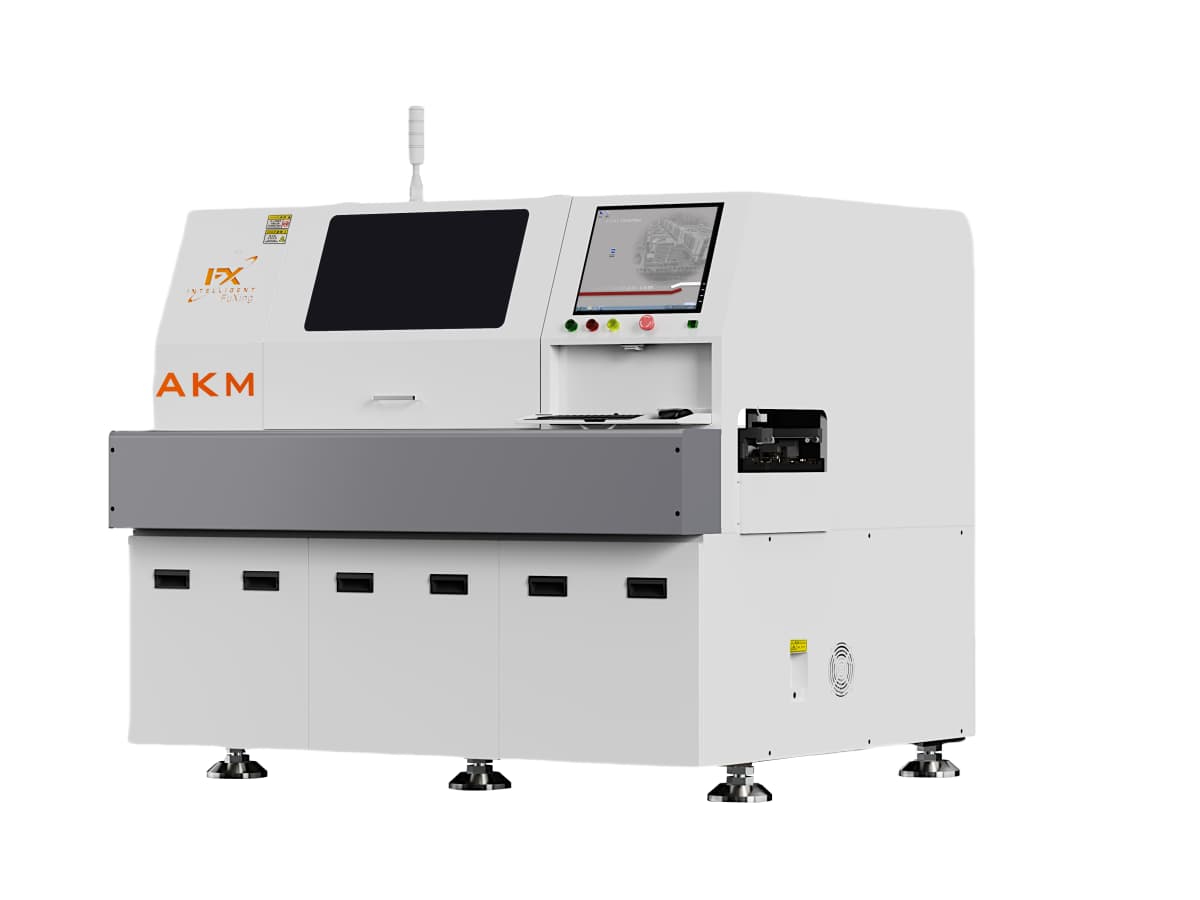
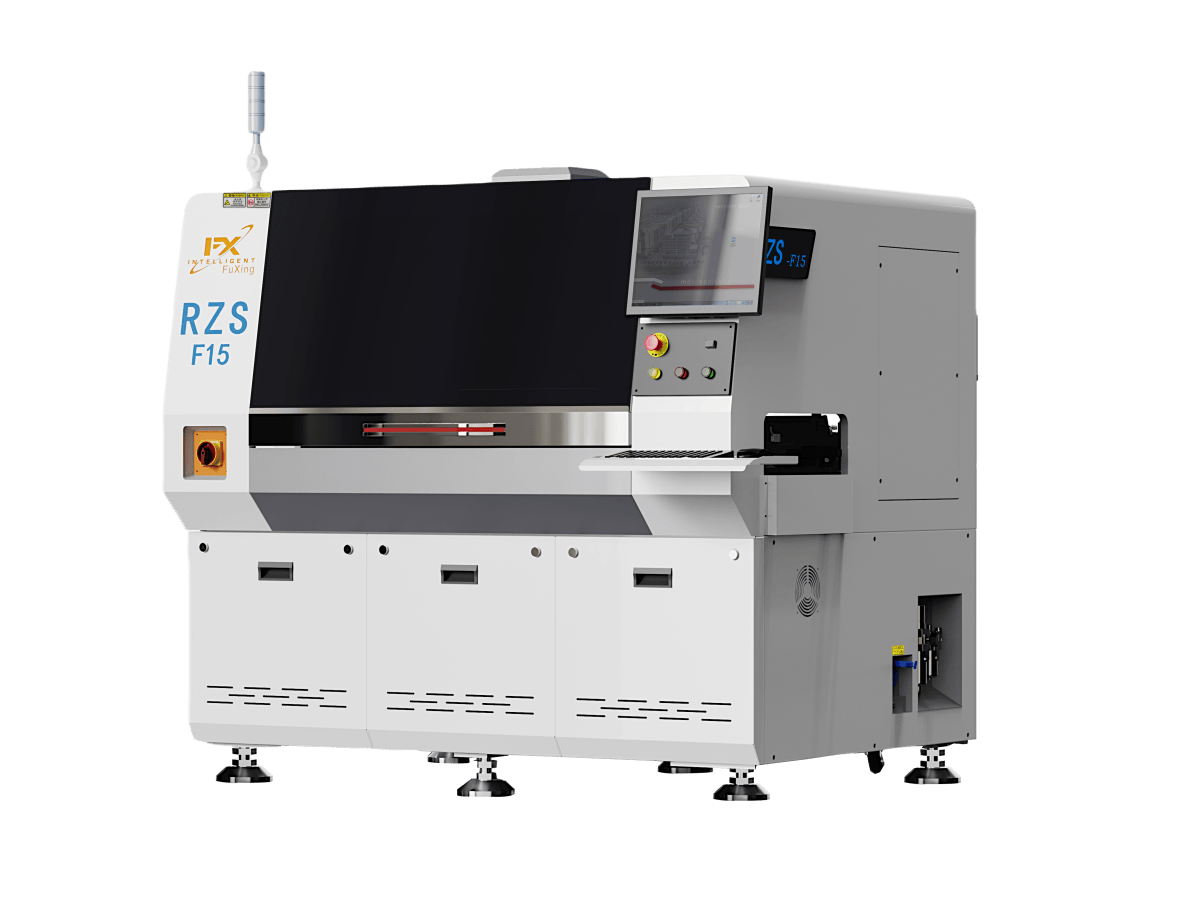
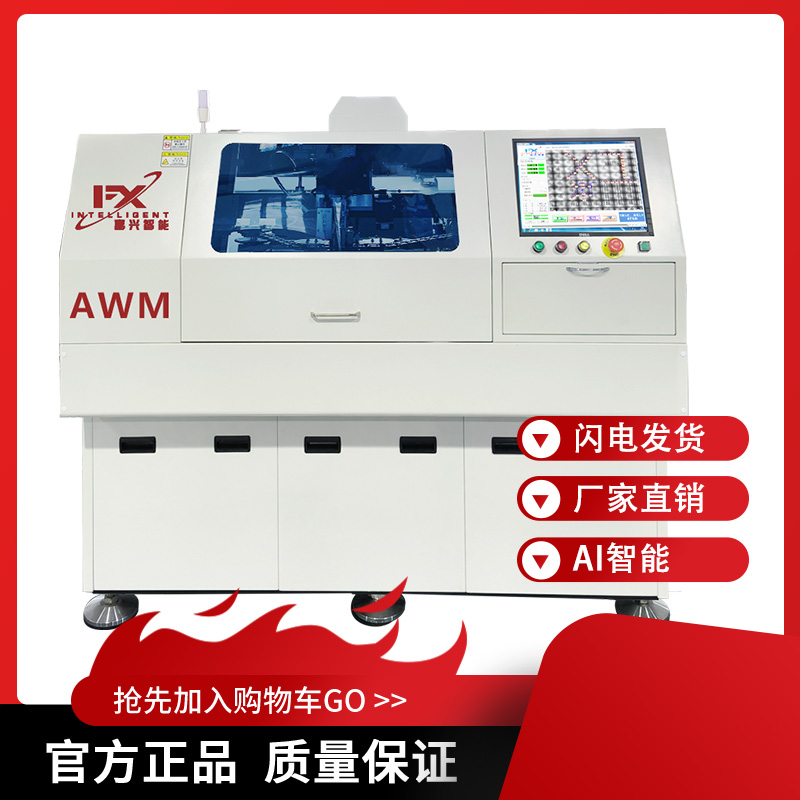
Procurement folks new to the industry often ask me: placement machines are so fast and precise now, why spend extra budget on an insertion machine? Behind that question sits a common misunderstanding — treating insertion machines and placement machines as competitors. They were never meant to replace each other. The difference between insertion machines and placement machines comes down to one thing: they do different jobs.
Take the most common switch-mode power supply board. Eighty to ninety percent of its components are chip resistors, capacitors and small ICs — that is placement machine territory, tens of thousands of joints per hour. But the board also carries several electrolytic capacitors, a transformer and a few relays. These parts have thick leads and real weight; a placement head cannot pick them up, and forcing them would crush the components.
These take another path: an insertion machine pushes the leads through holes, forms them, and the board goes through wave soldering. The joint strength is on a completely different level — vibration resistant, high current tolerant. Power products simply cannot skip this step.

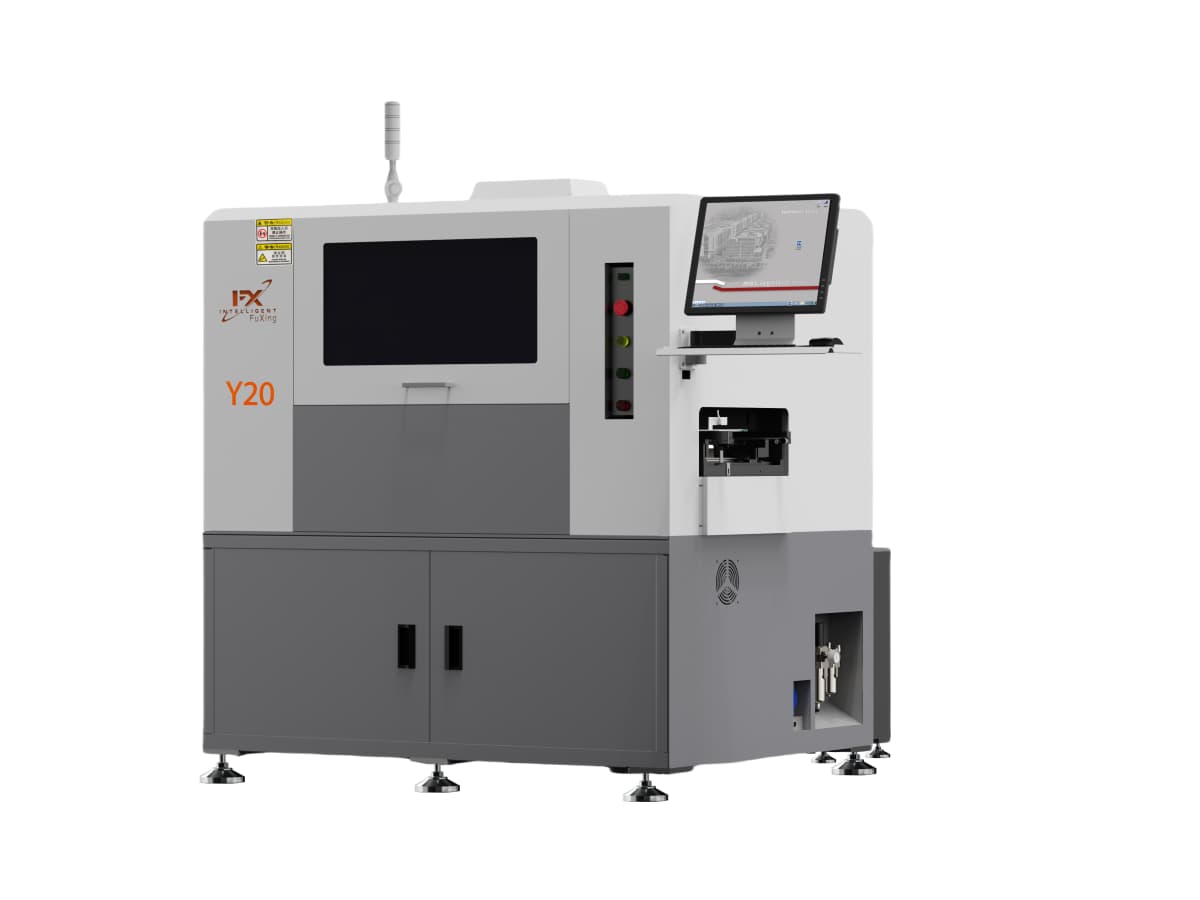
First, the components themselves decide. Electrolytic capacitors, transformers, power resistors — only THT insertion can hold them reliably. An odd-form inserter handles irregular connectors and sensors on top of that.
Second, top-tier reliability requirements. Automotive electronics, home appliance control boards, industrial power supplies — the environments involve vibration and heat, and through-hole joint strength is a hard requirement that customer audits often check.
Third, the cost math. Manual insertion seems to avoid equipment spending, but two workers' annual wages plus the rework rate from missed or reversed insertions adds up to what a machine costs within a year — with no capacity gain. Many factories only understand this after paying for it.
Mainstream mixed lines run placement first, insertion second, wave soldering last. When planning, do not debate "whether to get an insertion machine" — count the through-hole components on your board and your annual volume instead. High volume means automatic insertion; small batches with many variants can start semi-automatic. Send us your BOM list through the contact page and we will tell you which steps are worth automating.
Q1: Can insertion machines and placement machines share one line?
Yes, and that is the mainstream setup. The SMT section places chip components, the PCB transfers to the THT section for through-hole insertion, then wave soldering — the two stages connect through a conveyor.
Q2: Do insertion machines only handle resistors and capacitors?
No. Beyond standard taped components, odd-form inserters handle connectors, relays, sensors and other irregularly shaped parts, depending on the model and fixtures.
Q3: Why does the soldering sequence go placement first, insertion later?
Chip components go through reflow soldering while through-hole parts go through wave soldering. The high temperature of wave soldering would stress already-placed SMD parts, so the sequence must be reflow first, wave later — never the reverse.
---

Copyright © 2002-2026 Shenzhen Fulxing Intelligent Equipment Co., Ltd. All rights reserved. ICP License:
Service Hotline