Welcome to Fulxing Intelligent - SMT Automation Equipment
 简体中文

Customer Service Hotline
18565526634
Welcome to Fulxing Intelligent - SMT Automation Equipment
18565526634
Contact: Mr. Yang
Mobile: 18565526634
Tel: 18565526634
Email: 1404870852@qq.com
Address: Songyu Rd 142, Songgang St, Bao'an Dist., Shenzhen, China
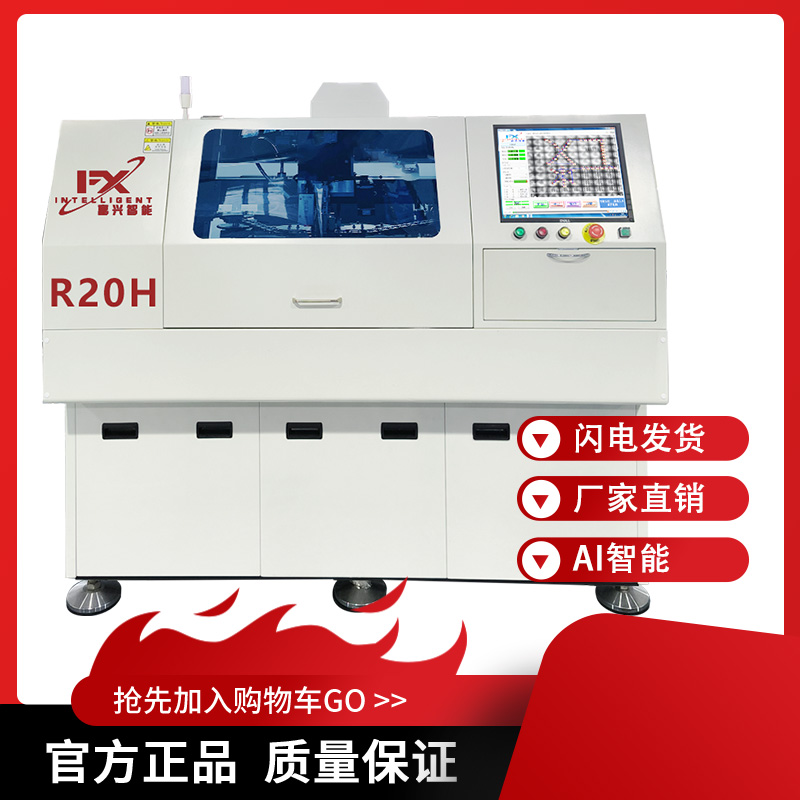
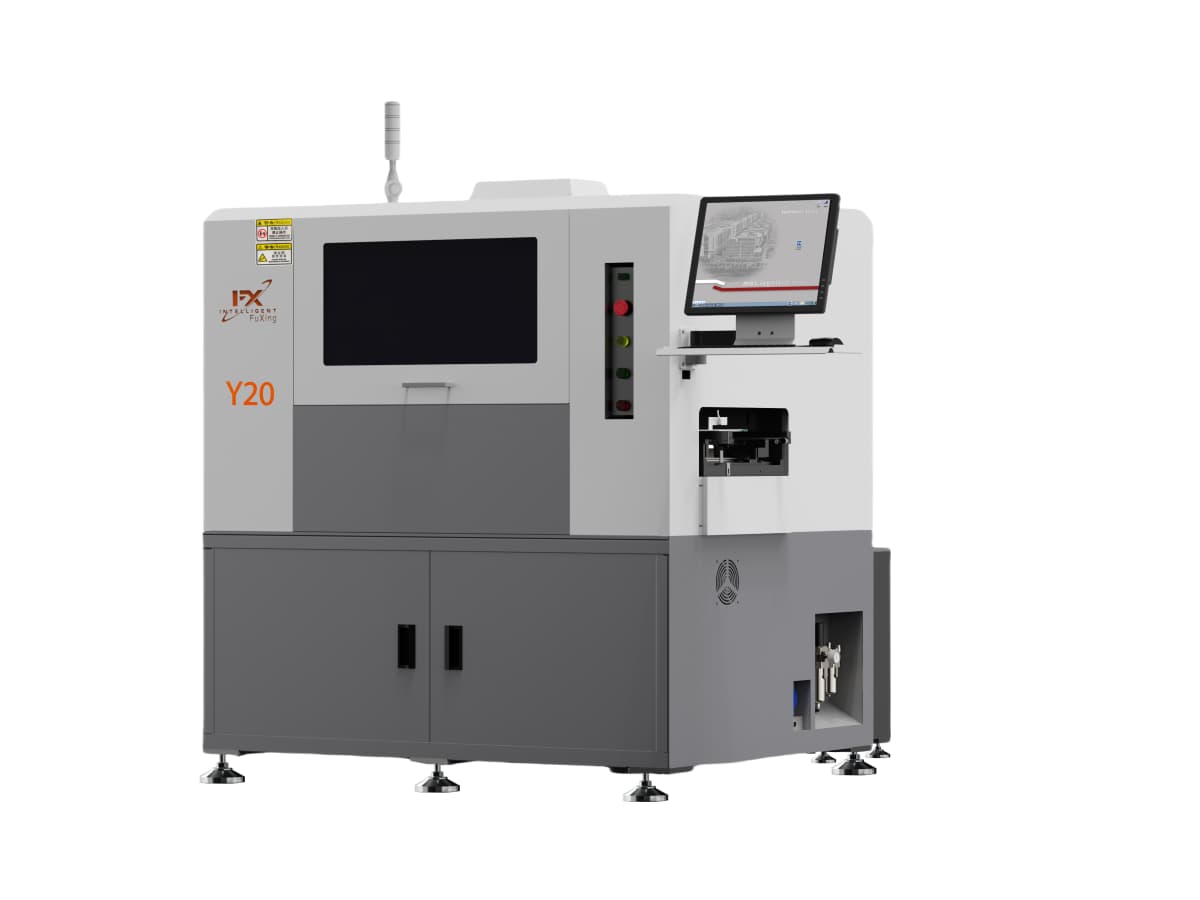
The AI in AI insertion machine stands for Auto Insertion. Nothing to do with artificial intelligence.
The same abbreviation logic has been in electronics manufacturing for decades. SMT is surface mount technology, AOI is automated optical inspection, AI is auto insertion, DIP is dual in-line package. When someone on the floor says "the AI machine," they mean the automatic inserter, not something that thinks.
After 2018 the two letters AI were taken over by artificial intelligence. A buyer seeing "AI insertion machine" on a brochure reasonably assumes there is a vision model inside, something that learns. We get asked which model we use, how many layers. There is no good short answer.
The confusion runs both ways. Job listings for "AI insertion machine engineer" and "AI insertion machine technician" are hiring people who set up programs and clear alarms, not algorithm engineers. Search that term and you get salaries and recruitment posts, which is exactly why.
Older equipment split into two families: machines handling taped through-hole parts were called AI machines, machines handling surface mount parts were SMT machines. Japanese manuals written in Chinese used that convention for thirty years. When AOI inspection equipment became common, the pattern held, initials of an English phrase.
So "AI insertion machine" is trade shorthand that happens to collide with computer science.
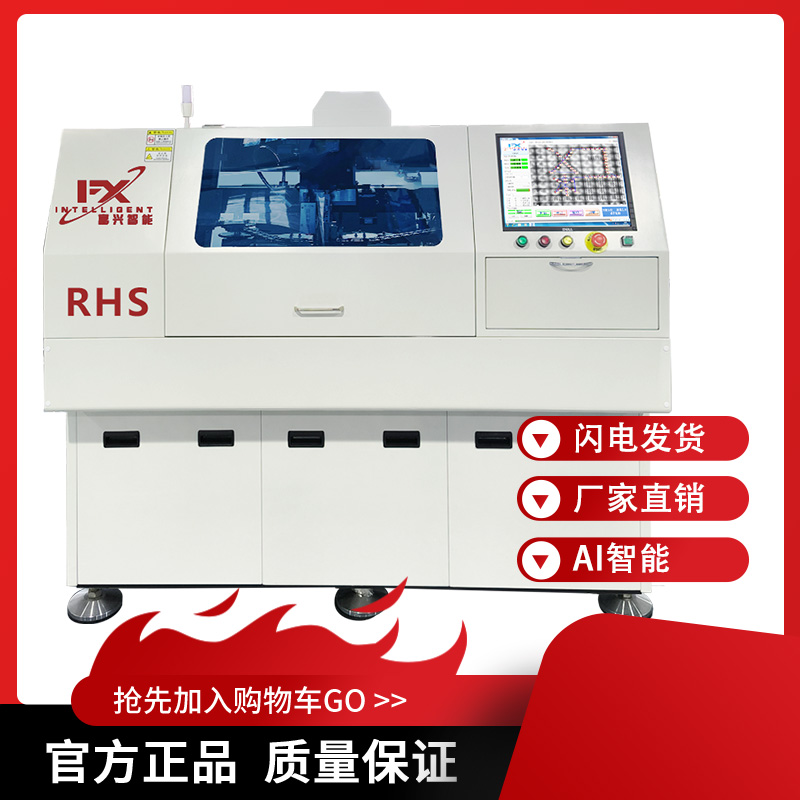
What makes the machine work on its own is machine vision plus servo control, not deep learning.
Mainstream models run 0.16 to 0.2 seconds per point, around 20,000 an hour, against 600 to 800 points an hour by hand. That gap is mechanical, not cognitive.
The vision system finds the Mark point and aligns the actual board position to the programmed coordinates, holding 0.01mm repeat accuracy and defect rates under 0.3 percent. Missing component, wrong component, missed insertion, reversed polarity and jam detection all run on sensors and image comparison. Program storage holds tens of thousands of boards. None of this needs a neural network.
Some manufacturers are now testing pose recognition and self-learning compensation for odd-form parts. That exists, on a few models and in a few scenarios. It is not the main selling point and it is not what drives the price.
One assumes that buying "AI" means hands-off operation, then discovers that every new board still needs a program, a fixture change and parameter edits. It was never about the name.
The other assumes the word is marketing noise, buys semi-automatic instead, and two years later pays for a second machine when labor costs catch up. Both directions lose.
What decides whether equipment is worth the money: cycle time, accuracy, feeder station count, feeding formats, and whether it talks to MES. None of those five changes because the brochure says AI.
Do not ask whether the machine is "AI." There is no answer to that. Ask what the repeat positioning accuracy of the vision system is, whether missing and wrong component detection stops the machine or just lights a lamp, how many programs it stores, whether it exports to MES, and how long a real changeover takes.
If the only answer available is "ours is an intelligent AI model," with no numbers behind it, that brochure can go in the bin.
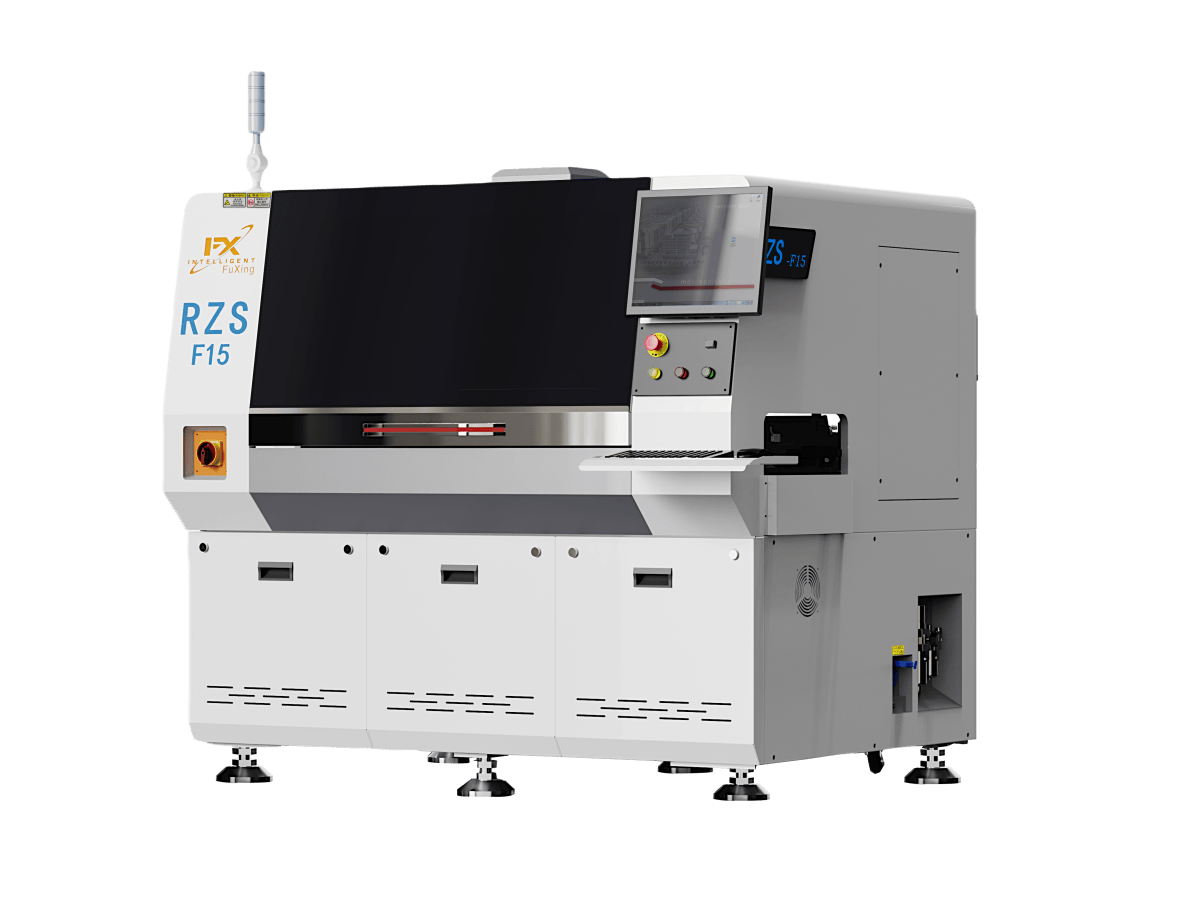
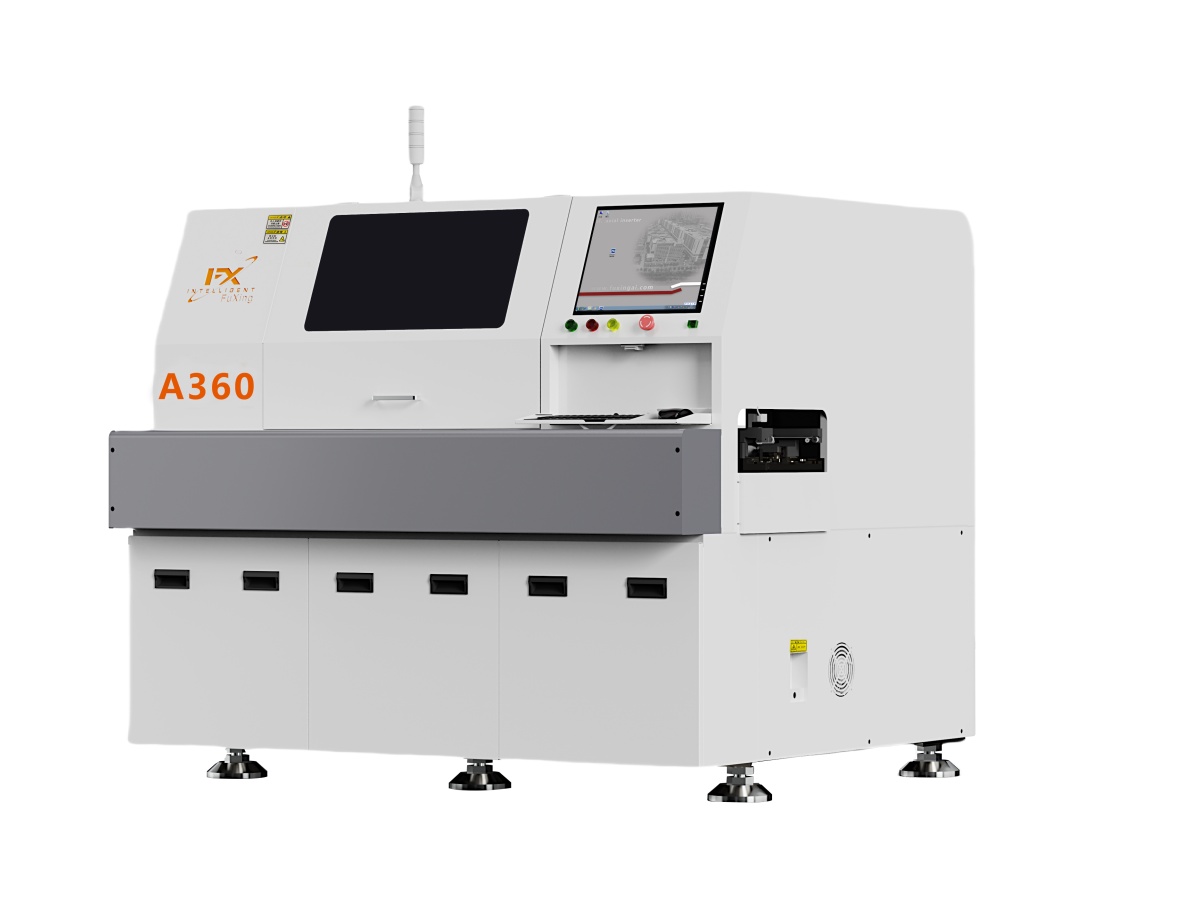
Published specifications for the vertical, horizontal and odd-form ranges are listed on the site and can be compared line by line. For boards with many non-standard parts, check the odd-form component size and weight limits first.
We have been building AI/DIP/THT equipment for over ten years, with nearly ten thousand units shipped and more than a thousand customers served. We use AI in the Auto Insertion sense throughout our documentation, and our quotations list parameters rather than jargon.
If you are unsure which type fits your board, send the BOM and daily output through our contact page and we will work through the split with you.
Q1: Is an AI insertion machine the same as an artificial intelligence machine?
No. In this industry AI is short for Auto Insertion, meaning an automatic insertion machine. Some models do use algorithms for component recognition, but the intelligence in mainstream equipment is vision positioning, detection alarms and program management.
Q2: Does operating an AI insertion machine require programming skills?
It requires program editing, not coding. Changeovers involve the board origin, Mark points, insertion sequence and component parameters, all through a graphical interface. A new operator handles changeovers independently in about a week.
Q3: Do machines labelled AI cost more?
They should not. Price comes from station count, vision configuration, feeding modules and customization. A ten-thousand-dollar spread within one tier reflects configuration, not naming.

Copyright © 2002-2026 Shenzhen Fulxing Intelligent Equipment Co., Ltd. All rights reserved. ICP License:
Service Hotline