Welcome to Fulxing Intelligent - SMT Automation Equipment
 简体中文

Customer Service Hotline
18565526634
Welcome to Fulxing Intelligent - SMT Automation Equipment
18565526634
Contact: Mr. Yang
Mobile: 18565526634
Tel: 18565526634
Email: 1404870852@qq.com
Address: Songyu Rd 142, Songgang St, Bao'an Dist., Shenzhen, China
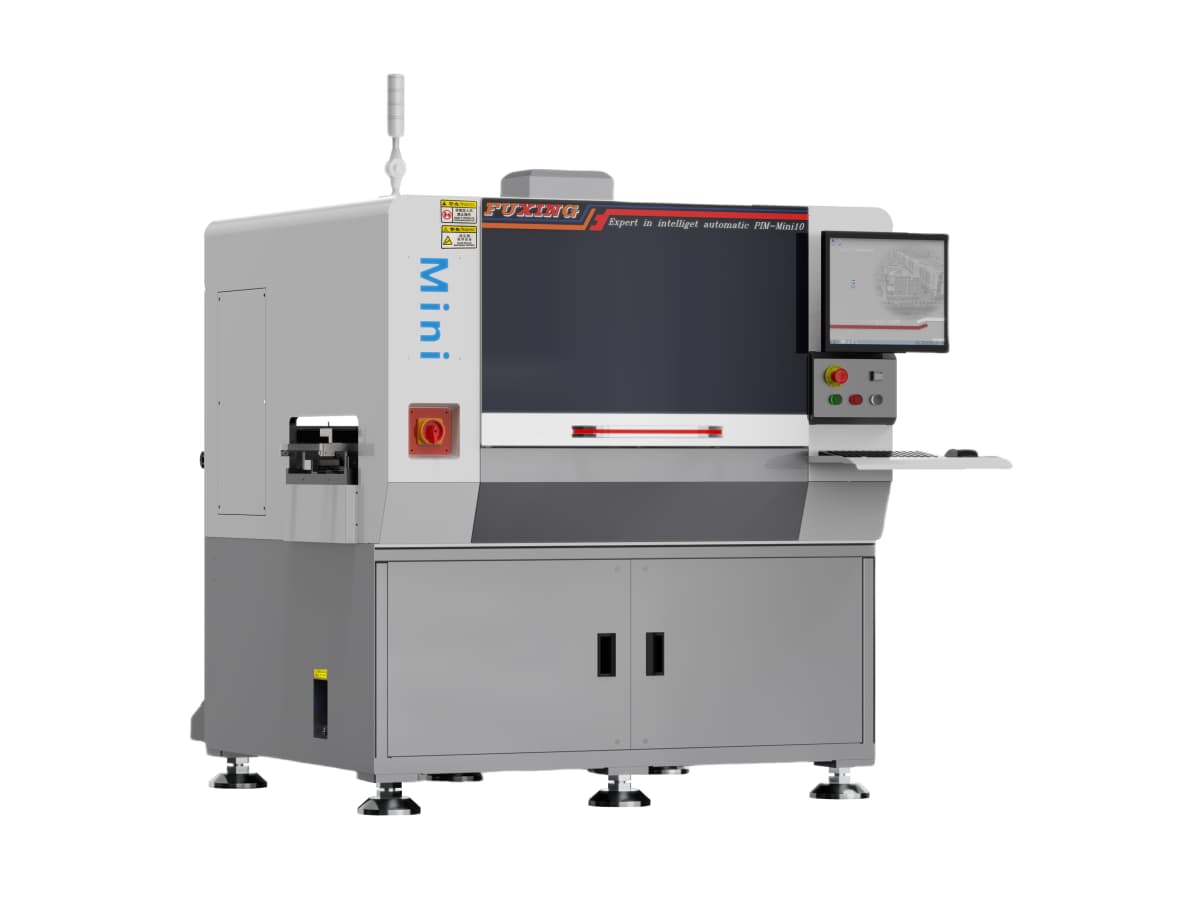
When factories buy an insertion machine, most of the budget goes to the machine body and the feeders get ordered almost as an afterthought. Then the line starts running and the problems show up — jams, missed feeds, wrong components. Nine times out of ten the trouble sits in the feeding stage. A fast machine is useless if the components never arrive.
Tape feeding is the most common. Resistors, capacitors and diodes arrive on carrier tape, and the tape pitch has to match the insertion machine's pick cycle exactly — being off by a little causes jam after jam. A vibratory bowl handles loose components: pour them in, vibration lines them up and orients them automatically. Irregular and odd-shaped parts basically depend on it. Tube feeding serves transistors and other fragile leads — one tube feeds one component at a time, with the lowest damage rate. Tray feeders manage relays and connectors, working with vision positioning to pick them. Cut-form feeding is a special case on horizontal insertion machines: jump wires sit in a track and feed one by one to the head, which eliminates a separate sorting machine entirely.
Put simply: whatever shape your components come in decides the feeder type. There is no flexibility at this step.
Mistake one: sizing the feeder count to today's product only. This board uses three component types, so you order three feeders — then next month's product needs six more and you are stuck. Feeders are not cheap, but emergency rentals and stopped production cost more than the equipment ever did. The safer approach is to stock the common types by packaging format and keep some headroom.
Mistake two: never asking about cross-compatibility. Different brands and models use different feeder slots, mounting methods and addressing — some older machines set addresses with DIP switches while newer ones use digital communication. We have seen feeders that would not physically fit, and others that fit but were never recognized. Stick with feeders that interchange across your own machine family where possible, and your spare inventory shrinks.
Mistake three: buying the cheapest feeder available. No-name feeders feel fine for the first two months. By month three the motors, sensors and belts start failing one after another, and the downtime math flips negative. For insertion machine spare parts, choose a proven supplier — when something breaks, you need the part in stock and someone answering the phone.
A feeder is not a buy-and-forget item. Clean the material channels weekly — dust and broken leads build up inside. Oil the moving parts on schedule. Replace belts, springs and fixtures before they fail on the machine. A well-maintained feeder runs five or six years without real trouble; a neglected one will make your life miserable within a year.
Q1: What types of insertion machine feeders exist?
Tape feeders, vibratory bowls, tube feeders, tray feeders and cut-form (jump wire) feeders. Match the feeder to the component packaging: taped parts use tape feeders, loose odd-form parts use vibratory bowls, transistors use tubes, large parts use trays, jump wires have dedicated tracks.
Q2: Are feeders interchangeable across brands?
Mostly no. Slot structures, mounting methods and communication protocols differ between brands. Verify your machine model before purchasing. Mixed-line factories should standardize on one brand or use a universal adapter solution.
Q3: How often should feeders be maintained?
Clean the channels weekly, check belts and sensors monthly, and replace wear parts based on volume. Factories running two shifts should shorten those intervals.

Copyright © 2002-2026 Shenzhen Fulxing Intelligent Equipment Co., Ltd. All rights reserved. ICP License:
Service Hotline