Welcome to Fulxing Intelligent - SMT Automation Equipment
 简体中文

Customer Service Hotline
18565526634
Welcome to Fulxing Intelligent - SMT Automation Equipment
18565526634
Contact: Mr. Yang
Mobile: 18565526634
Tel: 18565526634
Email: 1404870852@qq.com
Address: Songyu Rd 142, Songgang St, Bao'an Dist., Shenzhen, China
DIP lines get configured by machine count when they should be configured by cycle time.
Three inserters into one wave solder looks like triple capacity on paper. In practice the third machine backs up at the wave solder, boards stack on the conveyor, the front end stops to wait, and the back end idles. The equipment is all there. The output is not.
First, effective inserter capacity. A machine rated at 0.18 seconds per point works out to 20,000 points an hour theoretical. Take out reel changes, setup, alarms and waiting, and 70 percent utilization is realistic, roughly 14,000 points an hour. Two shifts of sixteen hours gives 220,000 points a day.
Second, wave solder throughput. It does not count points, it counts boards. At 1 to 1.5 meters per minute, with 300mm boards and 50mm gaps, that is 170 to 250 boards an hour.
Third, average points per board. A plant inserting 100,000 points a day on 200-point boards needs 500 boards a day.
Put the three together and the bottleneck appears. 500 boards against a 200-board-per-hour wave solder, two shifts, gives 3,200 boards of capacity. Enough. At 800 boards the wave solder is already short, and adding an inserter pours water into a blocked pipe.
That ratio holds when boards carry 200 to 400 points.
Above it, a 1,000-point board means one inserter turns out twenty-odd boards an hour and the wave solder idles. Below it, small boards with few points let the inserter run fast and the wave solder becomes the bottleneck.
So machine count follows points per board and daily output, not how many lines the shop happens to have. The vertical and horizontal ranges calculate the same way; only insertion speed and component range differ.
Most people treat the transfer conveyor as a connector and buy the cheapest one. It is the only buffer in the line.
An inserter releases boards intermittently while a wave solder takes them at constant speed. The two cycles never match exactly, and without buffer positions in between, one reel change or one alarm stops the downstream flow.
Allow two to three board positions of buffer, length calculated from board length plus gap. Small money against the line, and without it every machine upstream has to slow down.
One detail that gets missed: boards coming off the inserter cannot go straight into the wave solder. A flip or an inspection sits between, and those boards occupy buffer too.
Boards with SMT on one side and through-hole on the other are increasingly common.
Running the whole board through a wave solder scours the SMT side and brings lifted parts and bridges. Those boards need selective soldering, applying solder only to the through-hole points.
That changes the cycle time. Selective soldering works point by point, slower than a full wave, one to two minutes for a dozen points. Now the inserter is the fast side and the ratio flips.
DIP is a mixed manual and automated process, so static risk runs higher than in a purely SMT line. Ionizers, wrist straps and grounding need a place in the layout, not a retrofit after a bad batch.
Carrier return is the other one. Boards pass through the wave on carriers, and carriers have to circulate. On lines with many stations, stock 1.2 times the work-in-process count, or the line stalls waiting for them. Carriers also carry a hidden cost: every new board means modifying or rebuilding them, which on small batches costs more than most plants budget for.
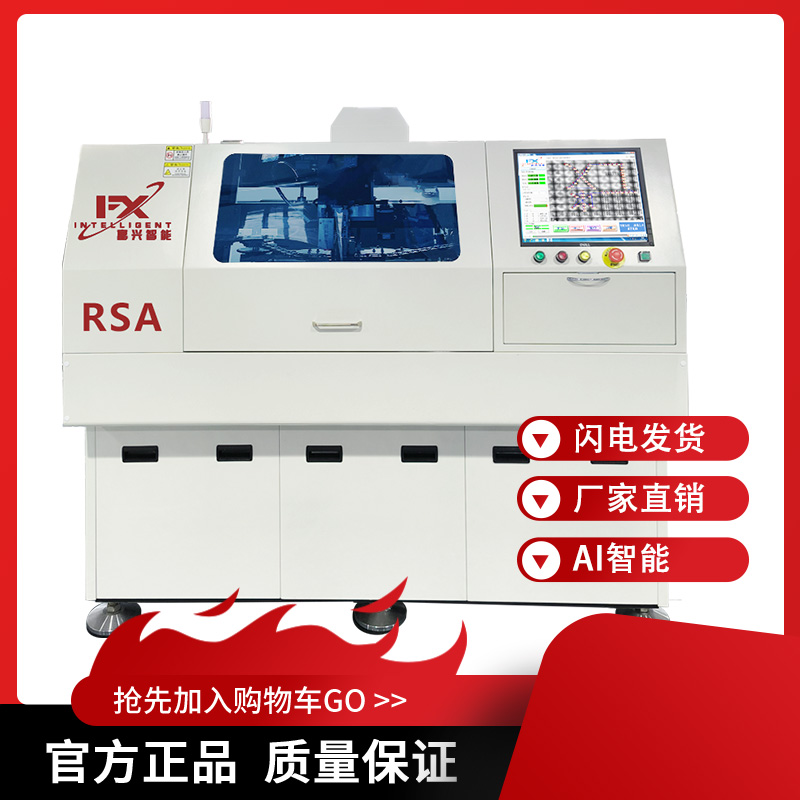
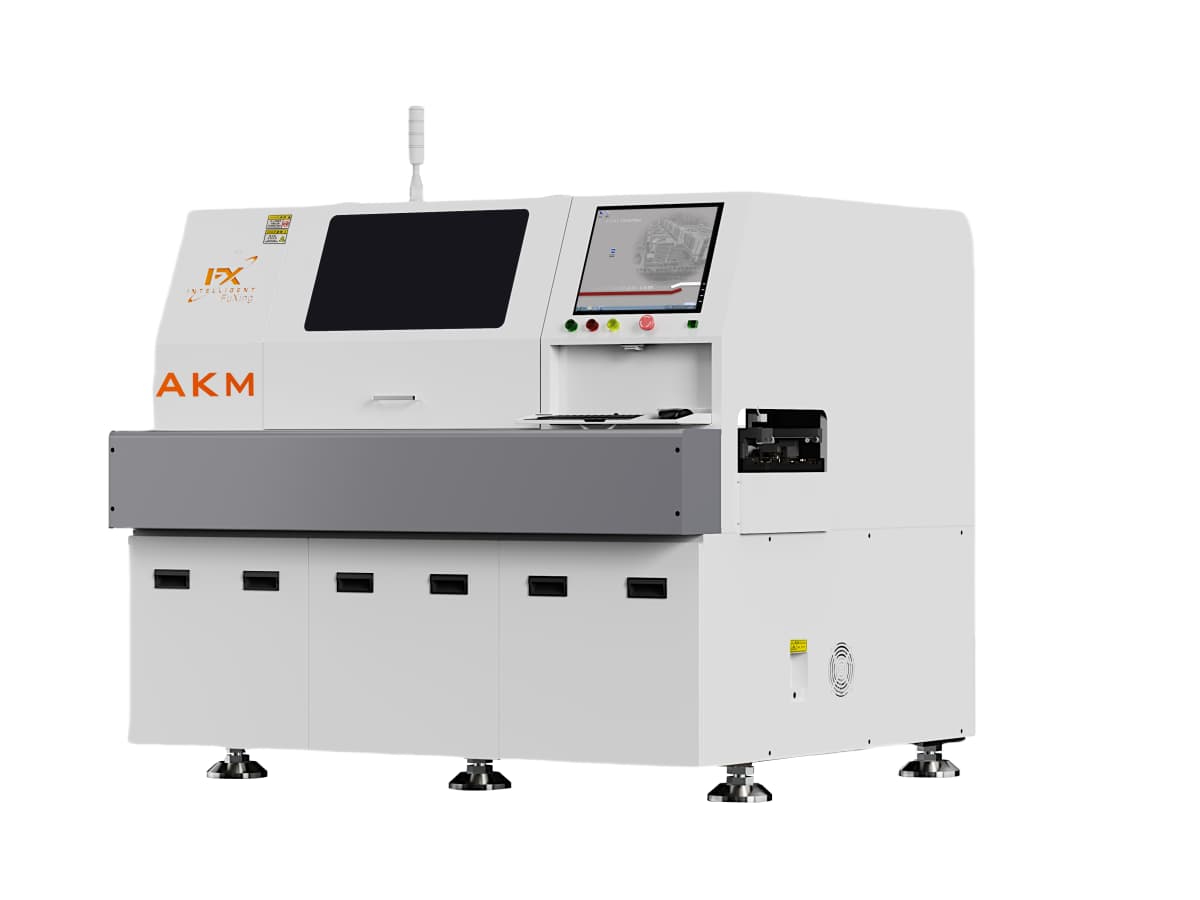
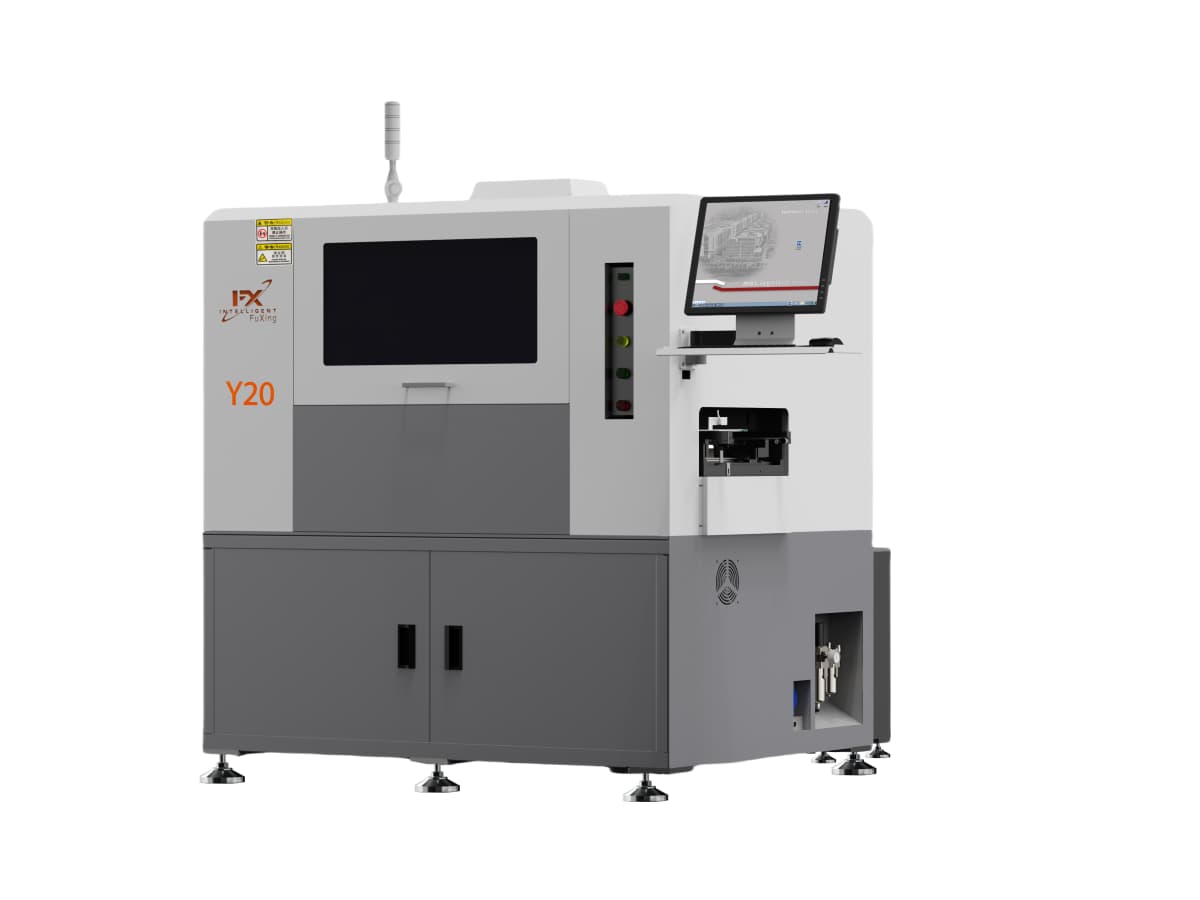
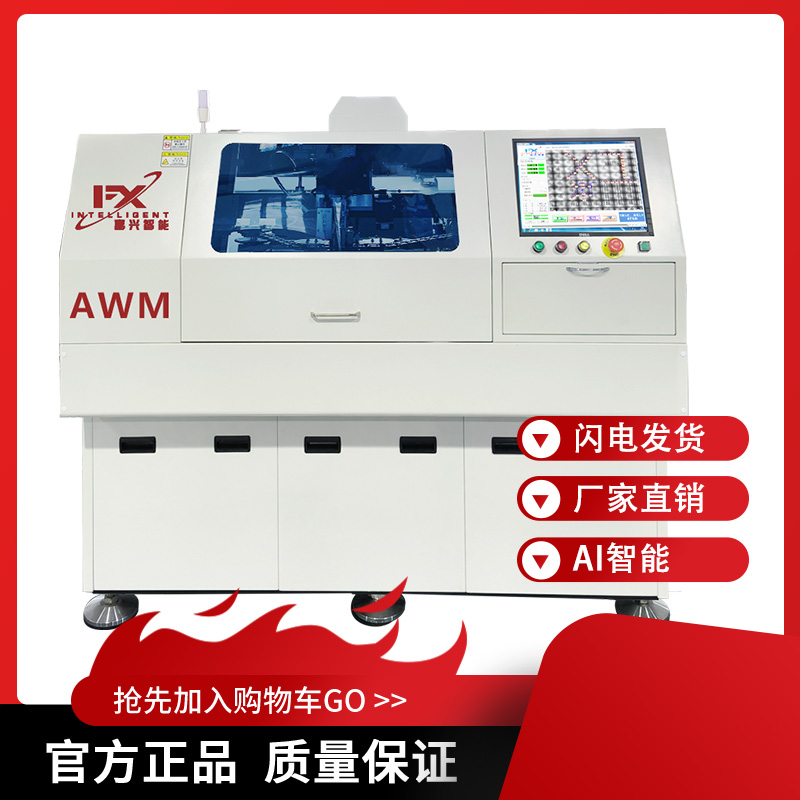
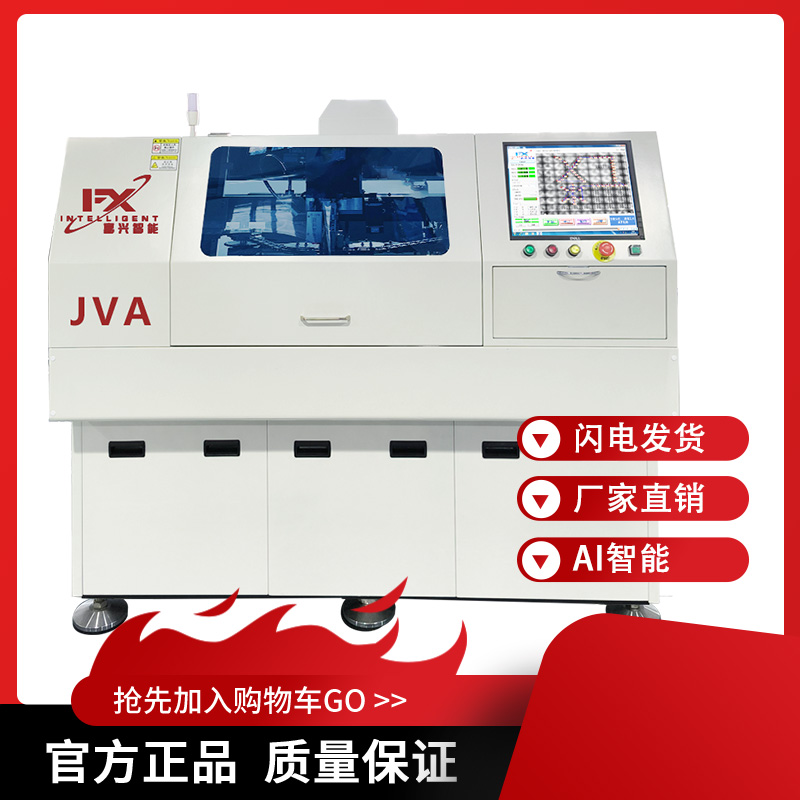
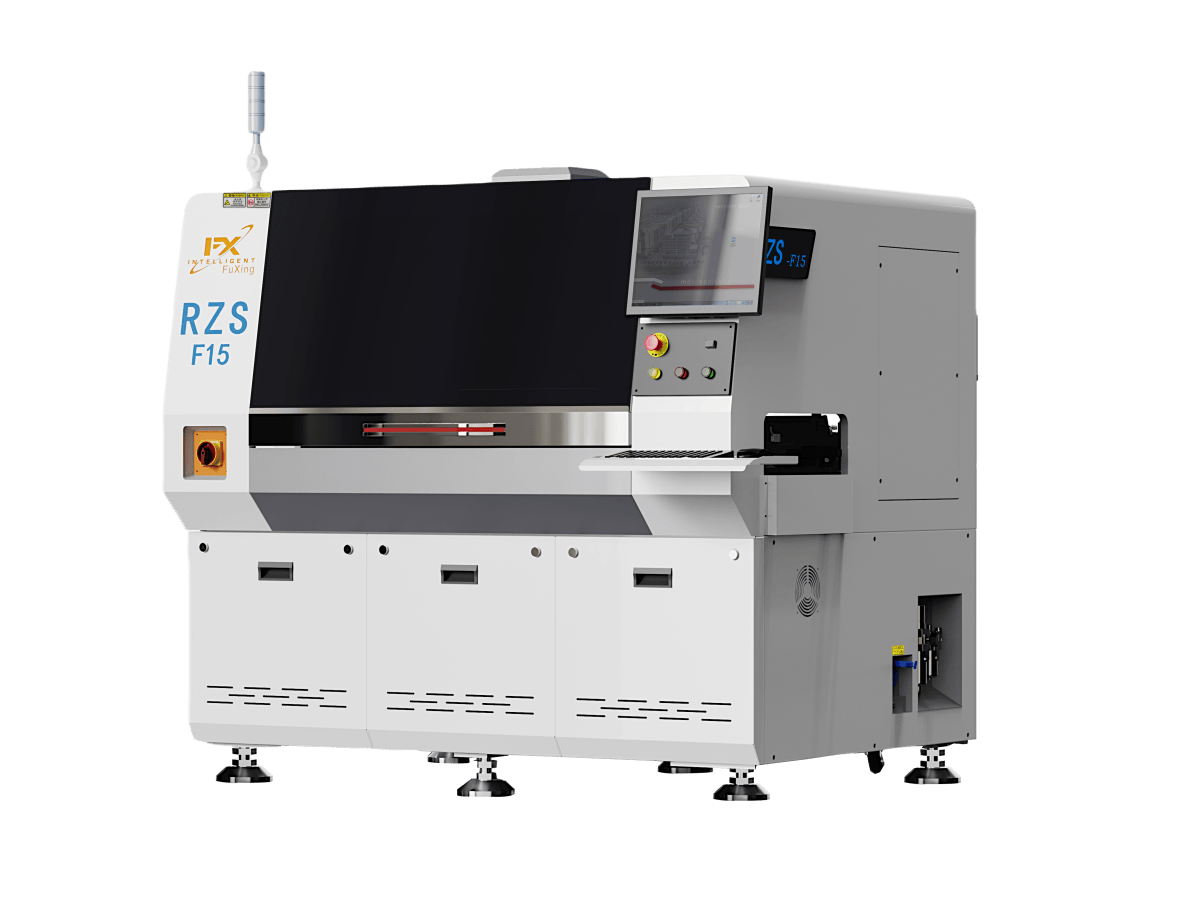
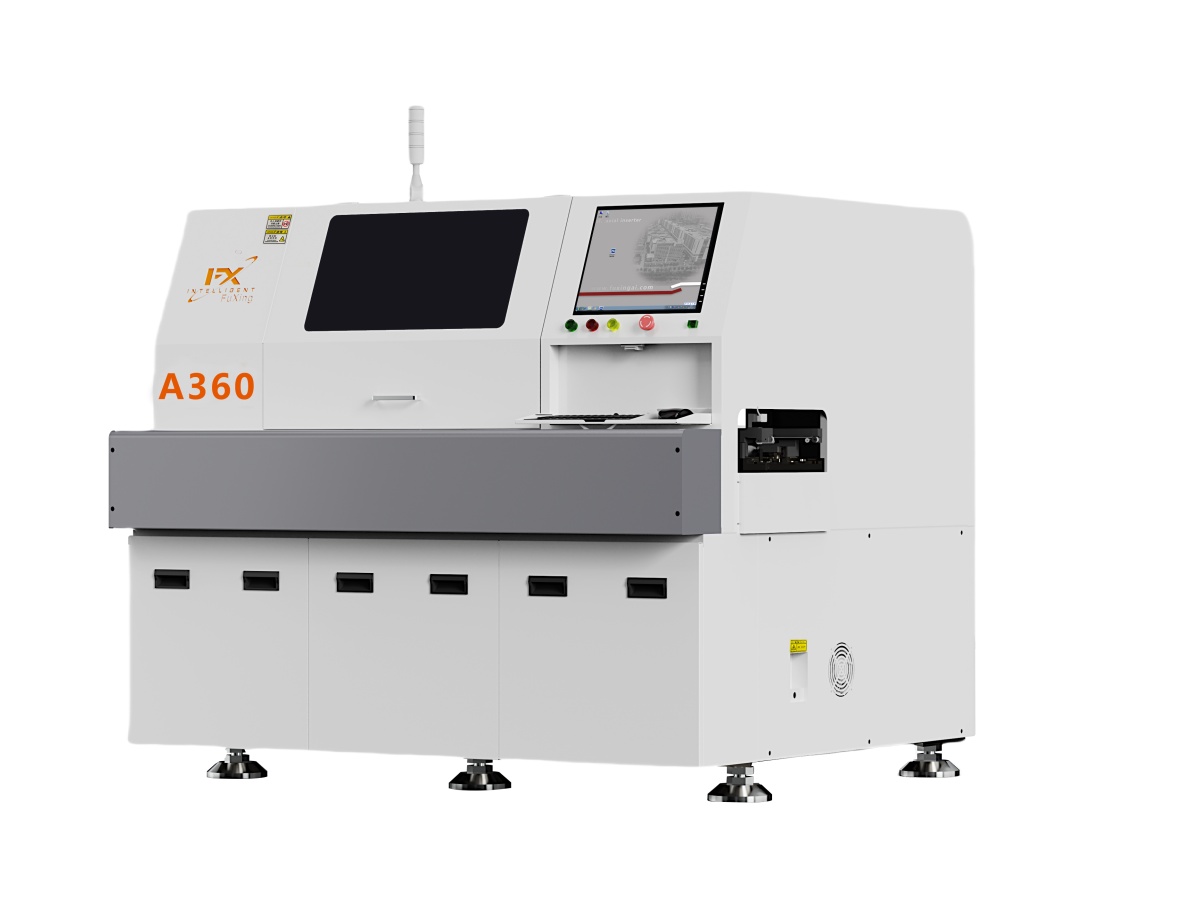
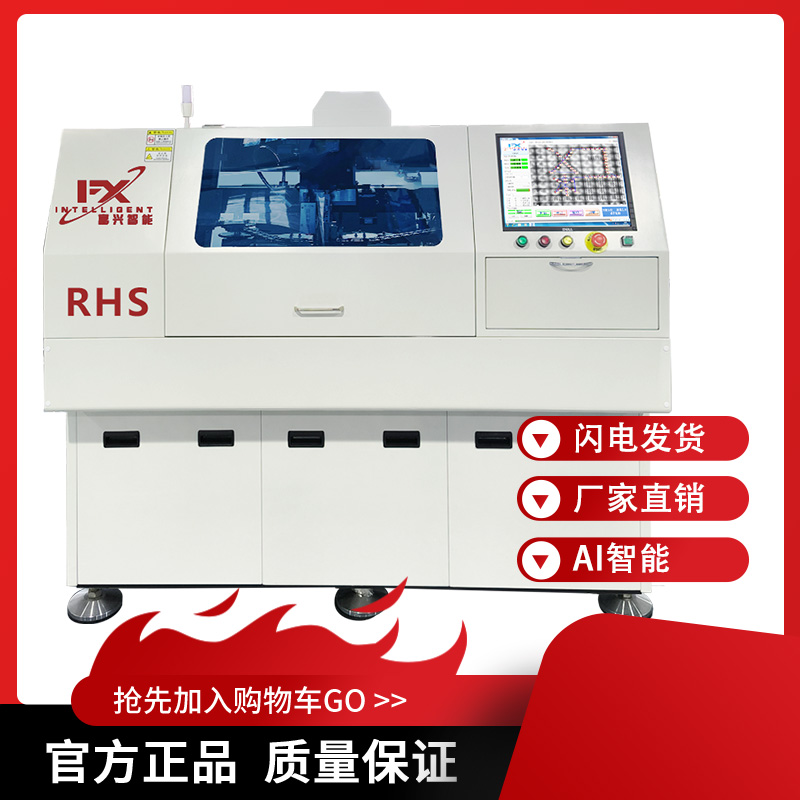
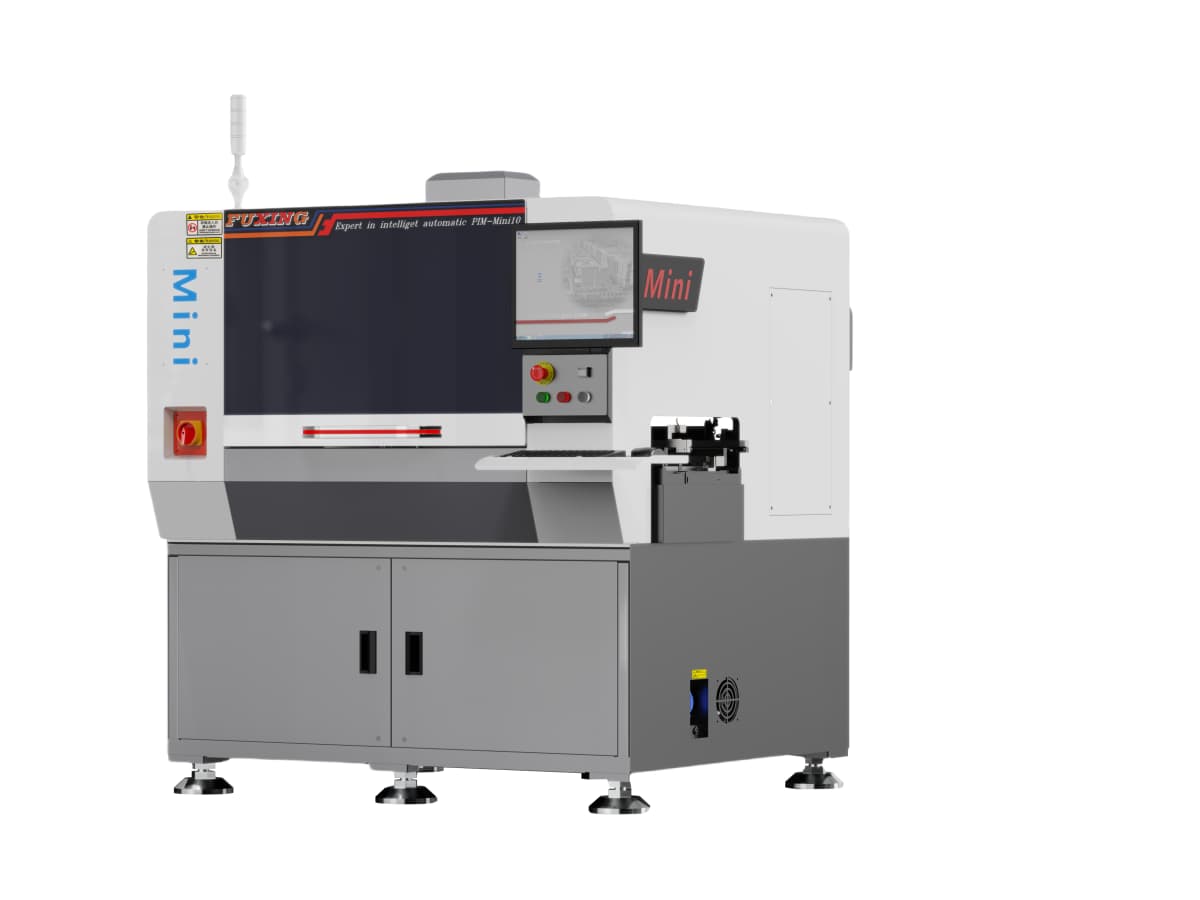
The SMT equipment section covers wave soldering, loaders, unloaders and transfer conveyors; the insertion side is vertical, horizontal, odd-form and MINI machines. When planning a line we work the three sections out together from your point count and daily output, rather than quoting an inserter on its own.
Nearly ten thousand units in the field and over a thousand customers served, with DIP line integration and custom builds both in that experience.
Send the points per board and the daily output through our contact page, and we will find the bottleneck before discussing machine count.
Q1: What is the minimum number of inserters for a DIP line?
It depends on daily points and points per board. Under 100,000 points a day, one inserter and one wave solder is enough. Above 200,000, two to three inserters.
Q2: Buy the inserter or the wave solder first?
Neither. Calculate the line first. Fixing inserter count before the wave solder is sized usually makes the wave solder the bottleneck, and money cannot fix it afterwards.
Q3: Does a DIP line need automatic loaders?
Depends on volume and labour cost. Under 5,000 boards a day, manual handling is more flexible. Above that, the labour saved pays for the automation.

Copyright © 2002-2026 Shenzhen Fulxing Intelligent Equipment Co., Ltd. All rights reserved. ICP License:
Service Hotline