Welcome to Fulxing Intelligent - SMT Automation Equipment
 简体中文

Customer Service Hotline
18565526634
Welcome to Fulxing Intelligent - SMT Automation Equipment
18565526634
Contact: Mr. Yang
Mobile: 18565526634
Tel: 18565526634
Email: 1404870852@qq.com
Address: Songyu Rd 142, Songgang St, Bao'an Dist., Shenzhen, China
Whether an automatic insertion machine beats manual insertion is not a question of speed.
Hand insertion runs about 1,400 points an hour against 20,000 on a machine. That gap anyone can calculate. What decides the comparison is three costs that never appear on the labour side: hiring, turnover and rework.
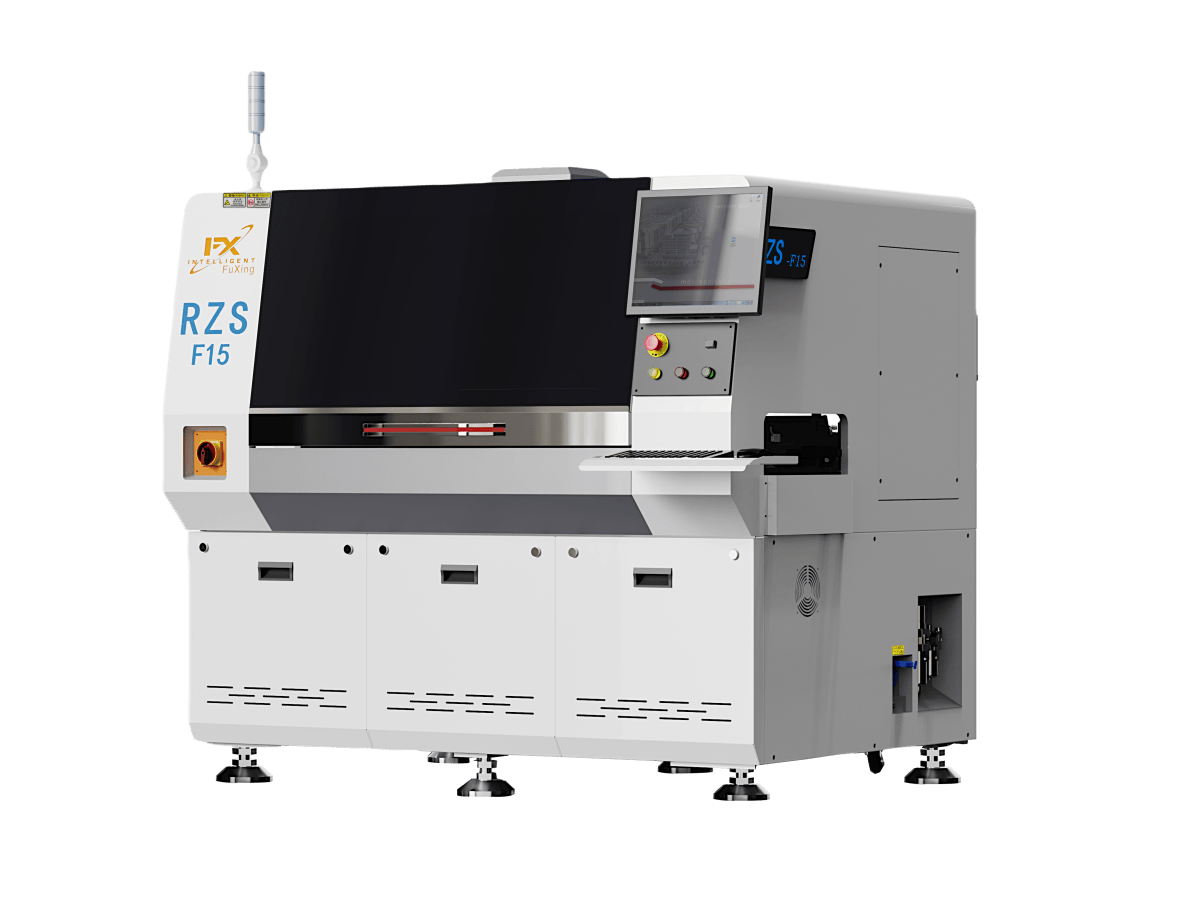
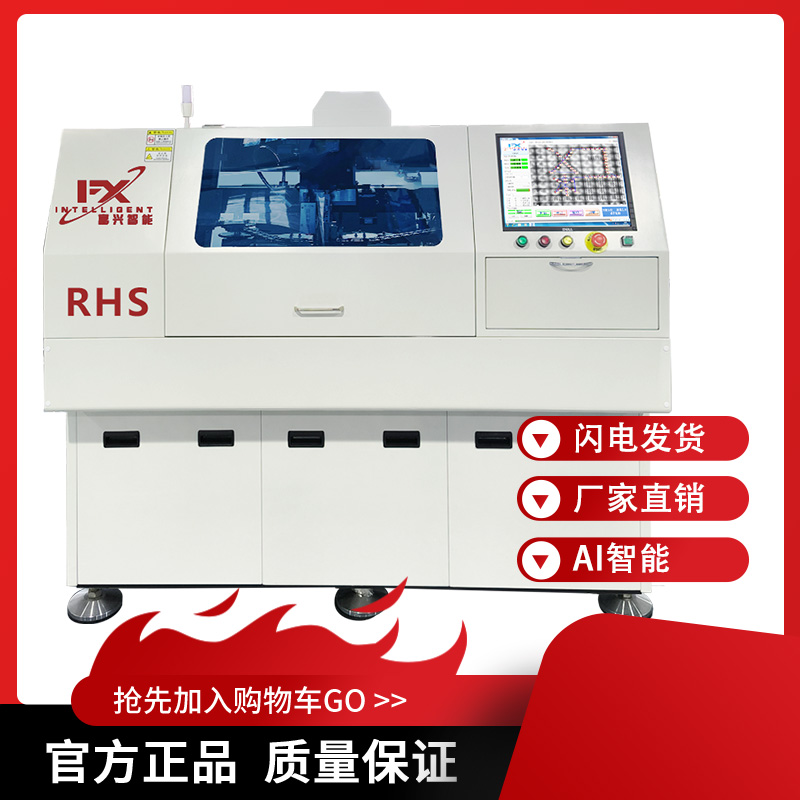
On the machine side, an RZS is rated 0.19 seconds per point, 20,000 points an hour theoretical. Strip out reel changes, setup and alarms, take 70 percent utilization, and it runs 14,000 points an hour.
On the manual side, a skilled operator needs 2 to 3 seconds per point including picking, aligning, pressing and checking. Call it 1,440 points an hour, and six productive hours in an eight-hour shift, which gives 8,600 points a day.
100,000 points a day takes the machine seven hours. One machine. It takes twelve people by hand.
Twelve people do not run themselves. Someone supervises, someone covers absence, someone handles shift changes. That is the first hidden cost.
Hiring. Insertion is repetitive manual work, and monthly turnover of 8 to 10 percent is normal in this trade, which means replacing the crew roughly once a year. Recruitment, interviews, onboarding: money spent that never shows in a cost sheet.
Ramp-up. A new hire does not insert in three seconds. For the first two days output is under half, and it takes about thirty days to reach a skilled operator's rhythm. Wages are paid throughout.
Rework. Hand insertion runs 0.8 to 1.5 percent defect rate. A machine with vision inspection holds under 0.3 percent. Reworking one board costs ten times the components on it, plus the station time and the labour.
Add those three and the real cost of manual insertion sits well above the payroll number.
A skilled insertion operator costs 60,000 to 70,000 RMB a year fully loaded, including wages, social insurance, meals and supervision. Twelve of them: 720,000 to 840,000 RMB.
The machine side. An RZS high-speed model sells for 500,000 to 800,000 RMB, depreciated over five years, so 100,000 to 160,000 a year. Power and air run 20,000 to 30,000. Maintenance at 5 percent of machine value is 30,000 to 40,000. Half an inspector shared across machines adds 15,000.
Total, 150,000 to 240,000 a year.
The gap is 500,000 to 600,000 at 100,000 points a day.
Not every plant should buy. Three tests.
Under 30,000 points a day. The machine runs less than two hours a day, depreciation cannot be absorbed, and a 500,000 RMB asset sits idle with a very long payback.
Very high mix, very low volume. A changeover costs half an hour to two hours in program edits and fixture swaps. If one board runs a few dozen pieces, changeover time exceeds insertion time and the machine loses its advantage.
A few trial batches a year. The purchase price covers years of labour. Rent, or outsource, until volume justifies the equipment.
Labour costs rise 5 to 8 percent a year, and have for a decade. Equipment depreciation finishes in five years, after which only power and maintenance remain.
Year one the two sides may look comparable. By year three the gap widens. After year five the machine is close to free.
That is why plants often calculate the first-year number, decide against it, and come back two years later.
There is one more layer. People run short in peak season and machines do not. Overtime premiums and emergency hiring never make it into the first-year calculation.
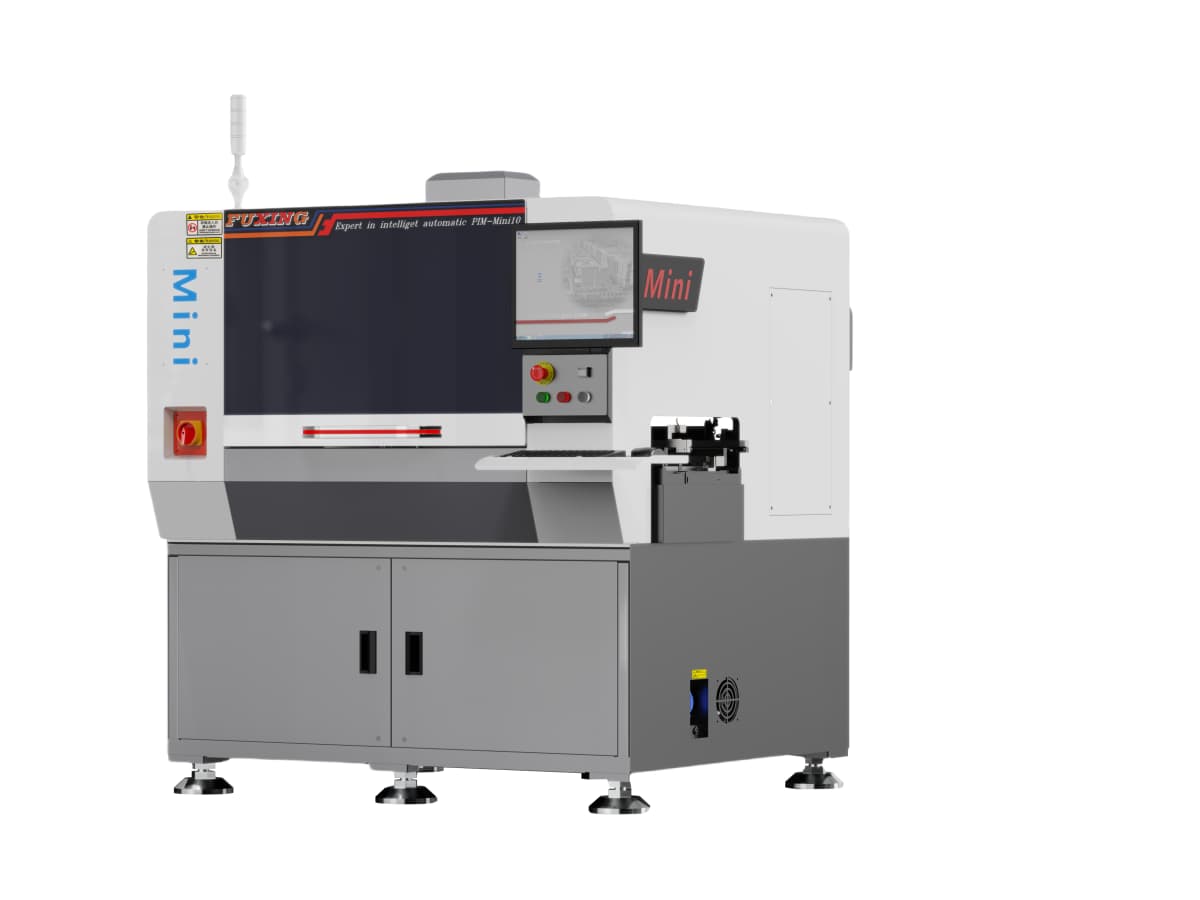
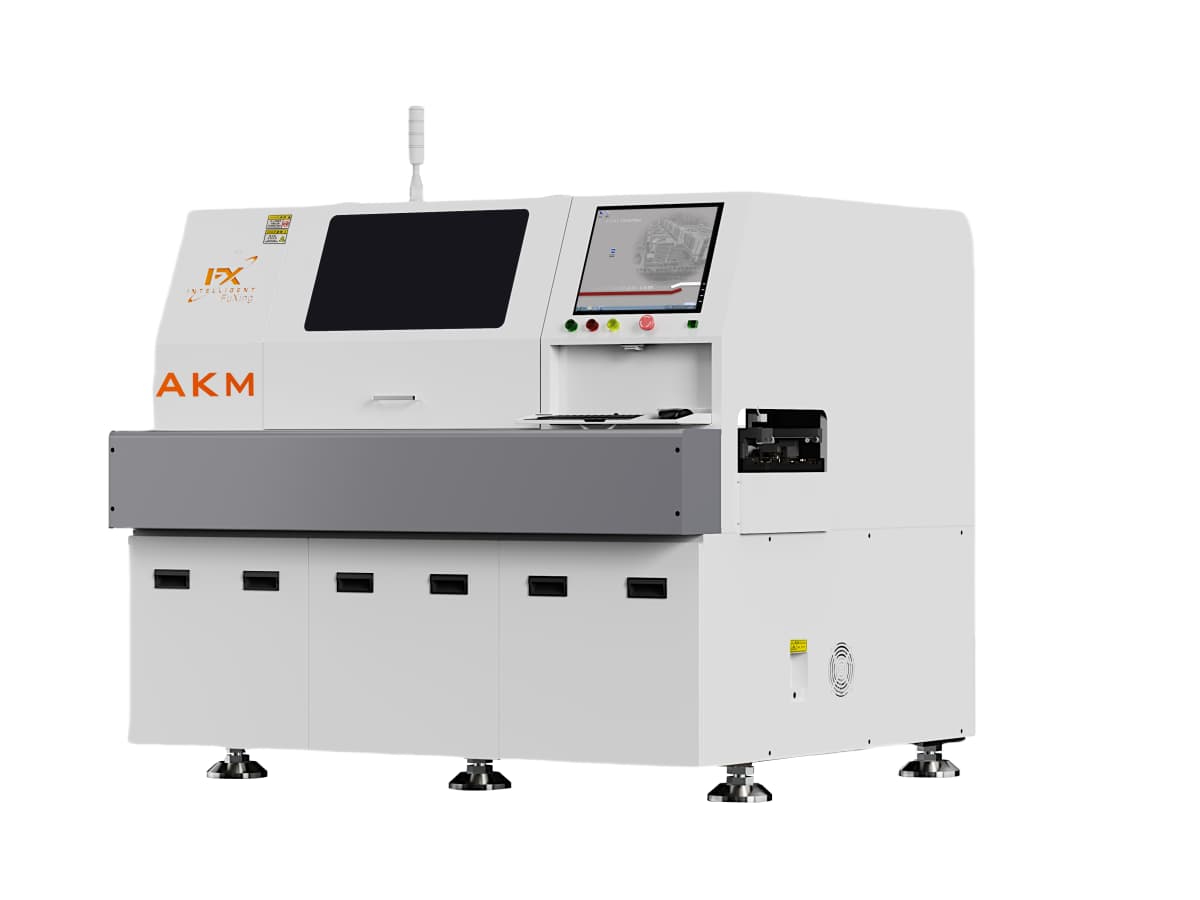
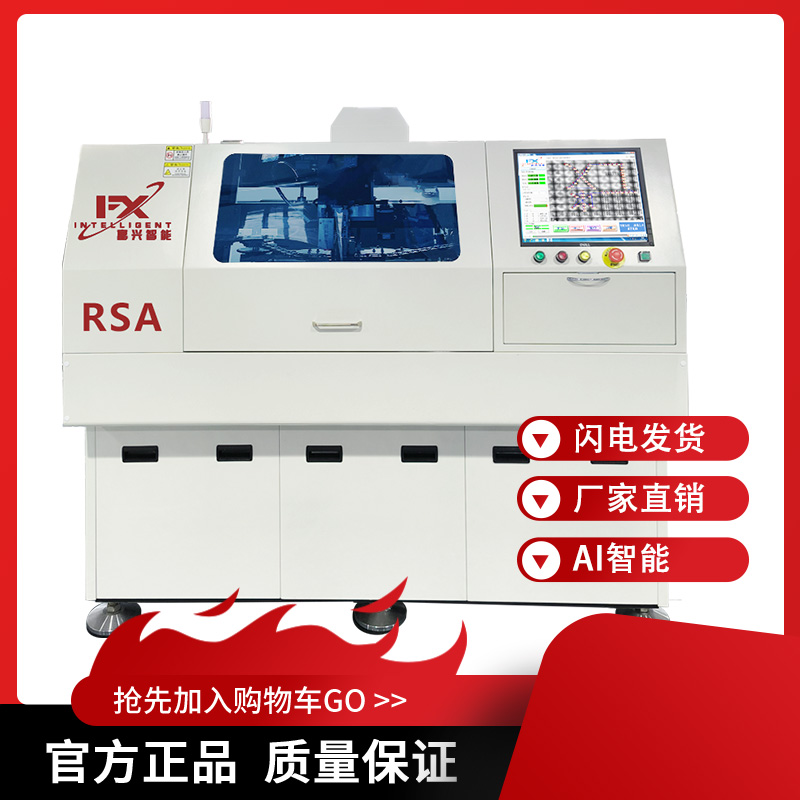
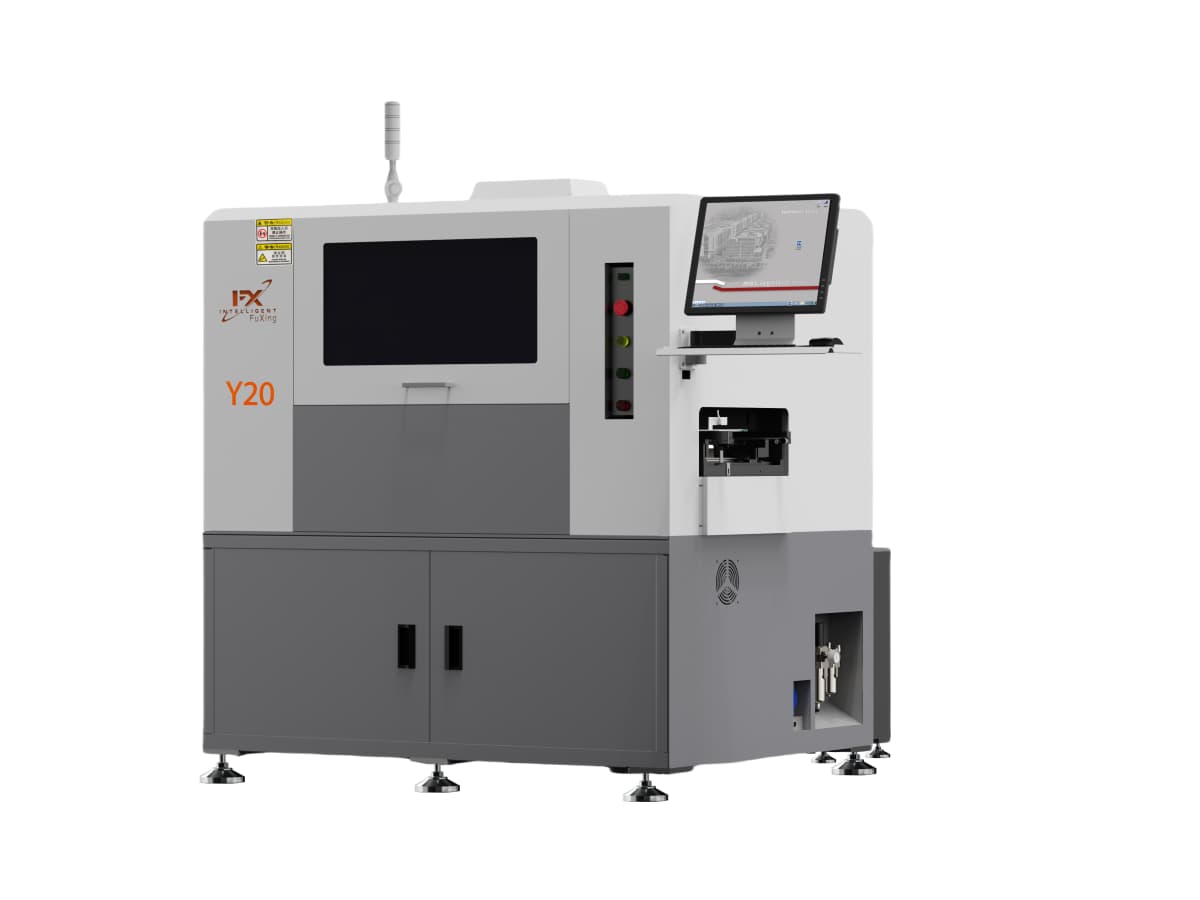
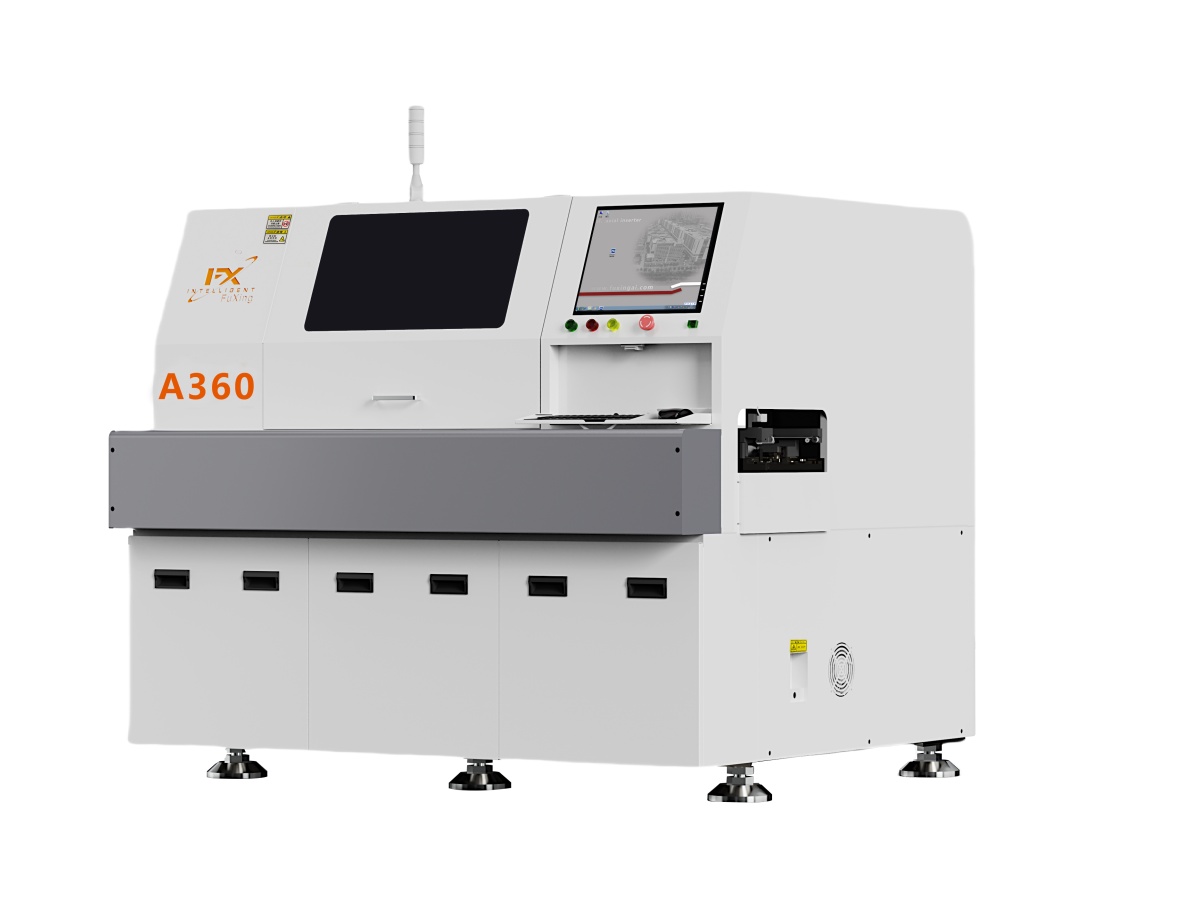
The vertical range runs 0.19 to 0.2 seconds per point, around 20,000 an hour. The MINI is more compact and suits smaller batches. With your actual BOM and daily output we can work both columns, including hiring and rework.
Nearly ten thousand units in the field and over a thousand customers served, and plenty of them came off manual lines, so we know which step usually stalls.
Send your daily point count and current staffing through our contact page and we will run it monthly rather than quoting a headcount.
Q1: How many operators does one automatic insertion machine replace?
Ten to fifteen by capacity, depending on component mix and points per board. Actual headcount reduction also depends on changeover frequency and supervision. A plant changing over three times a day may only gain seven or eight.
Q2: At 50,000 points a day, should we buy a machine?
Semi-automatic or a compact automatic unit makes sense as a transition. At that volume a standard machine is underfed and two are wasteful. A compact model costs less and a standard machine can follow when orders grow.
Q3: Can manual and automated insertion run side by side?
Yes, and many plants transition exactly that way. Standard components go on the machine, odd-form and low-volume parts stay manual until their volume justifies an odd-form machine.

Copyright © 2002-2026 Shenzhen Fulxing Intelligent Equipment Co., Ltd. All rights reserved. ICP License:
Service Hotline