Welcome to Fulxing Intelligent - SMT Automation Equipment
 简体中文

Customer Service Hotline
18565526634
Welcome to Fulxing Intelligent - SMT Automation Equipment
18565526634
Contact: Mr. Yang
Mobile: 18565526634
Tel: 18565526634
Email: 1404870852@qq.com
Address: Songyu Rd 142, Songgang St, Bao'an Dist., Shenzhen, China
Search for a home appliance PCB insertion machine supplier and the top results are largely the same template: five companies, a line saying the order means nothing, three sentences per company. You finish reading without knowing who to call, because the ranking logic stays hidden.
What actually helps is plainer: four documents. Compare them item by item and most unsuitable options fall away in a day. Only then does a site visit make sense. Here is what the four are and how to read them.
A business licence proves a company exists, not that it builds machines. A trading company and a manufacturer hold identical licences, and deliver very differently.
Ask for two kinds of number. A patent number in the ZL format is searchable at the national IP office. A software copyright registration in the 2021SR format is searchable at the copyright protection centre. Both can be checked independently: given the number, five minutes confirms whether it is real and who holds it. The two utility models published on this site, the high speed CTA transmission mechanism ZL202121774038.6 and the insertion head actuator ZL202121774064.9, along with software copyright 2021SR0291078, are the kind of public numbers that can be looked up.
A company with its own motion control platform or recognition algorithm usually holds a software copyright. Mechanical changes usually produce a utility model. A supplier with neither may be pure assembly, or building to someone else's brand. That is not automatically a problem, but you should know whose product you are buying and who answers when it fails.
The reverse caution matters too: many patents do not mean a good machine. Whether a patent touches your process is a separate question.
This is the easiest document to fudge. Most brochures say "suitable for common insertion components" and "high precision vision positioning", which cannot be compared.
Ask for a table with figures: span range, minimum and maximum in millimetres; gripper options and opening dimensions; maximum component weight and envelope; feeder stations as standard and maximum; repeat positioning accuracy; measured cycle time, stating whether it is dry running or inserting. If the answer is "our machine inserts anything", ask them to write the minimum span into the table.
Follow up on cycle time with test conditions. Dry running and inserting can differ by a factor of two, and inserting resistors differs from inserting connectors. Ask what board, what component, how many seconds per point. The answer tells you whether they understand the process.
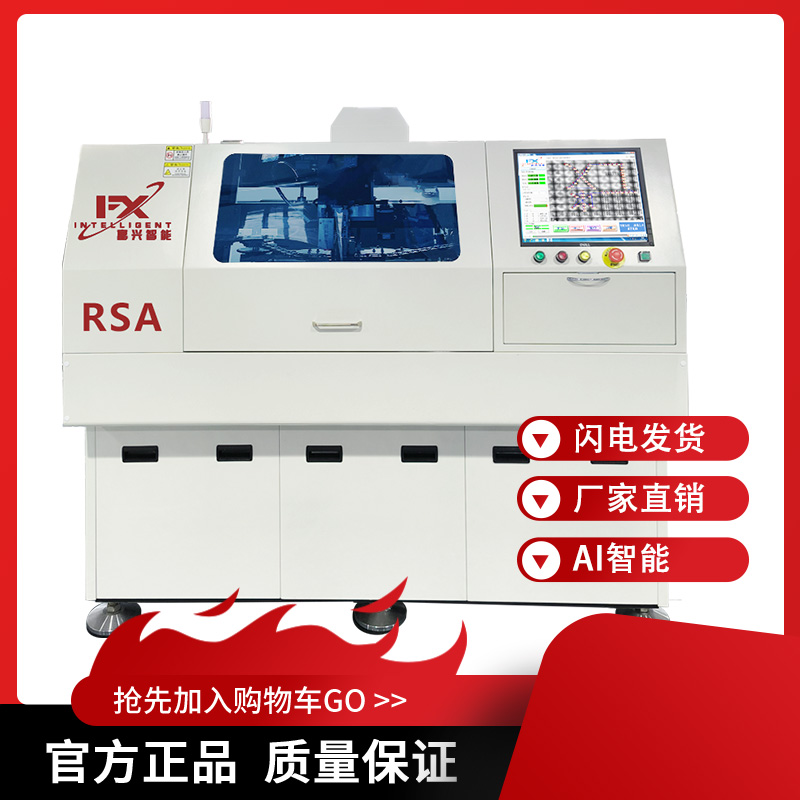
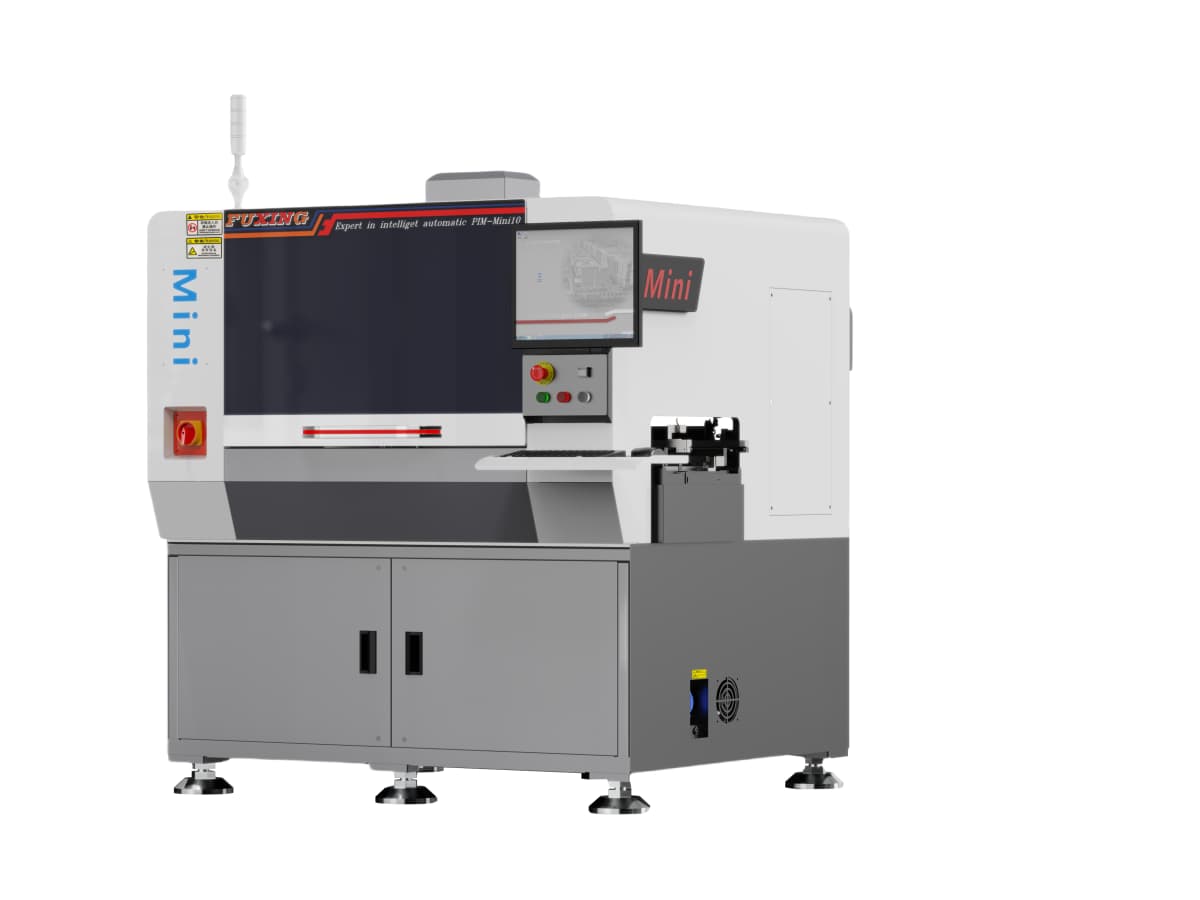
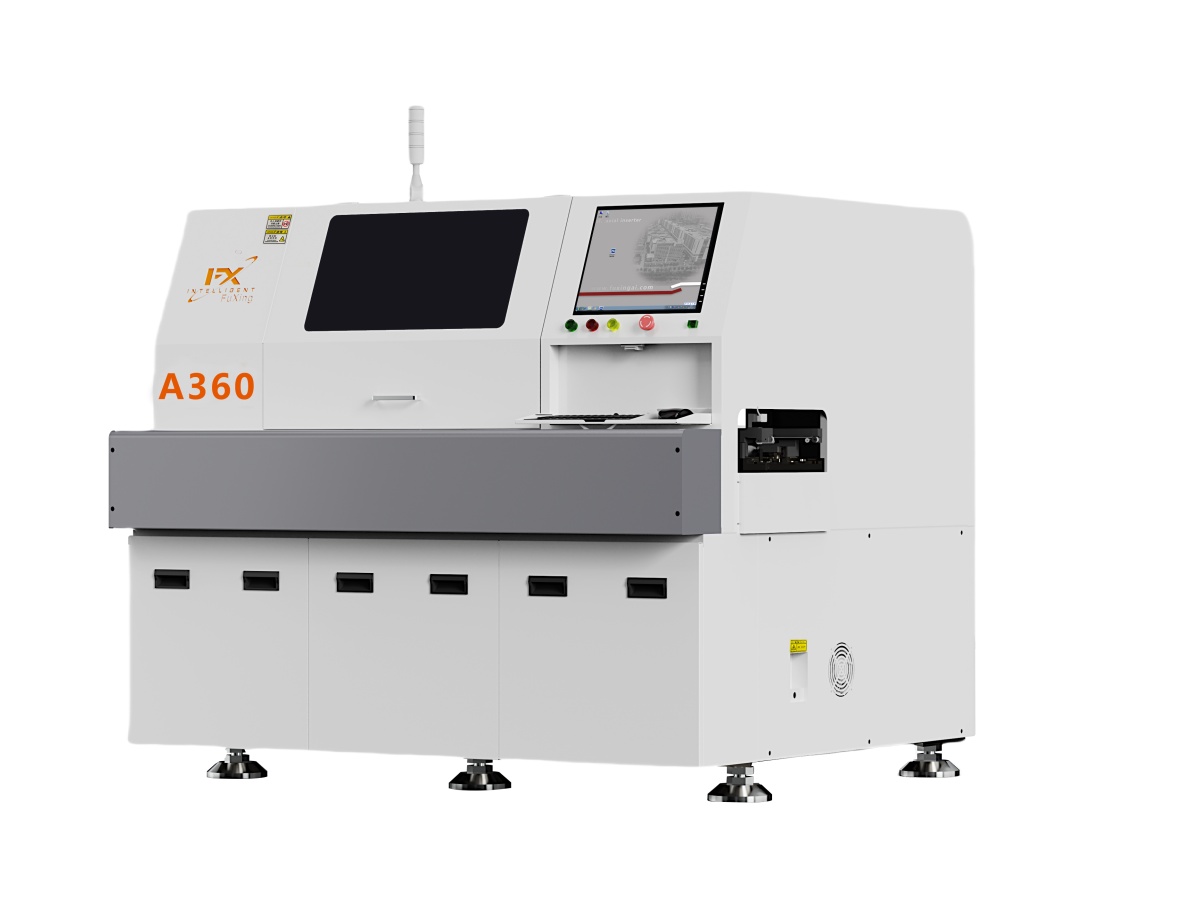
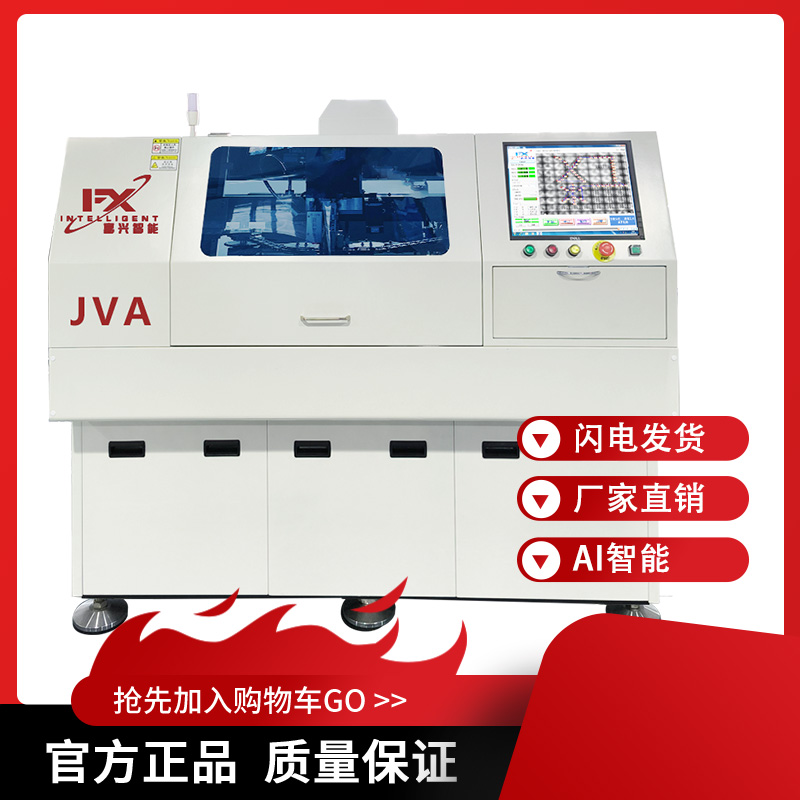
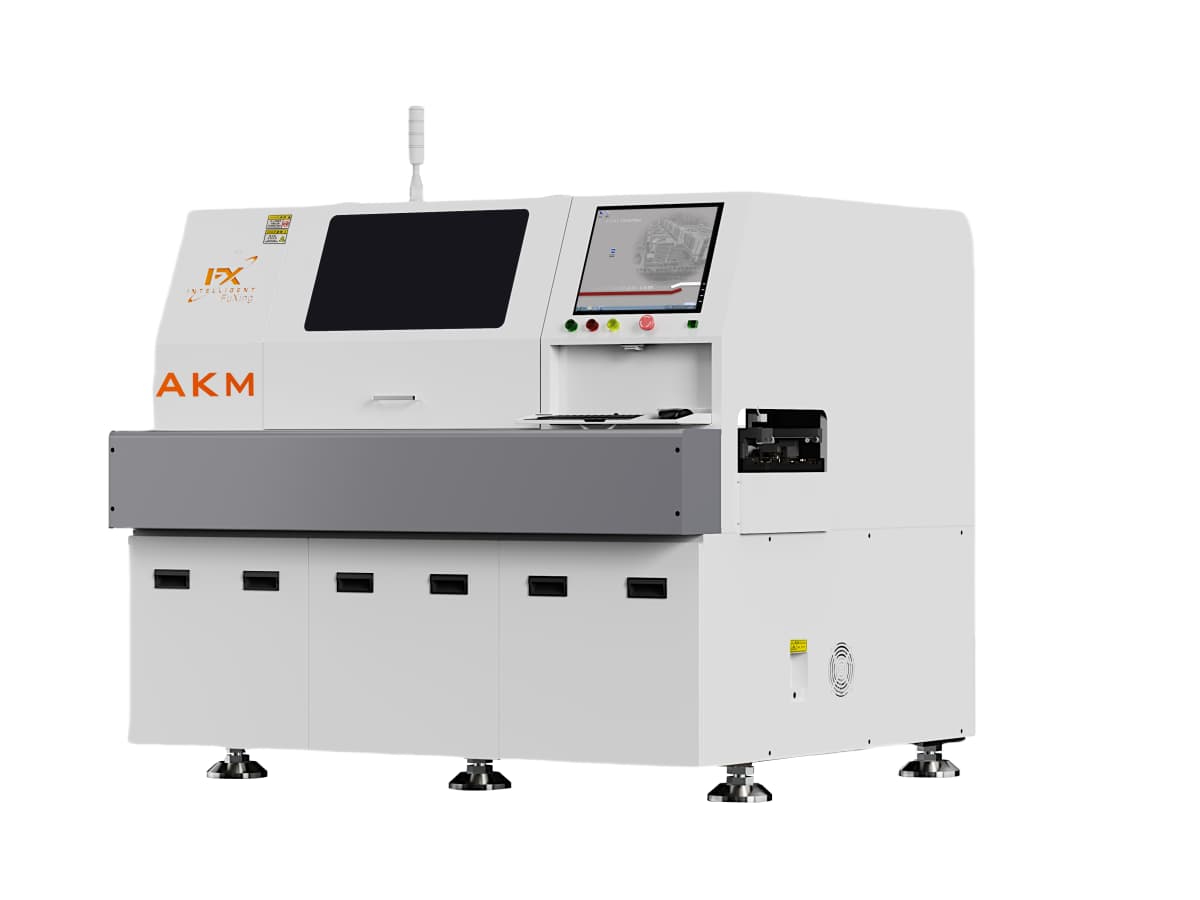
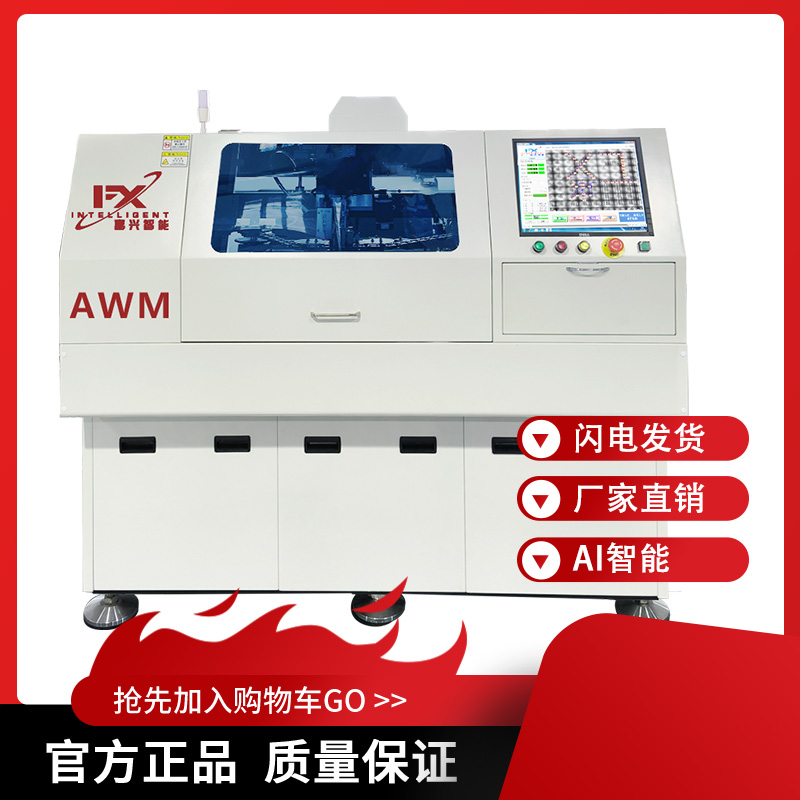
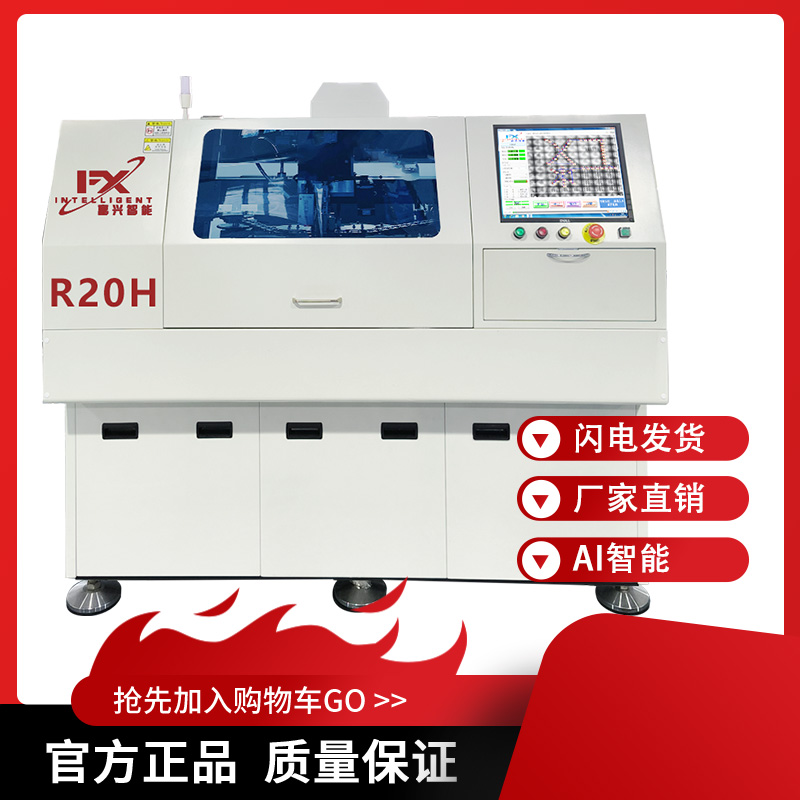
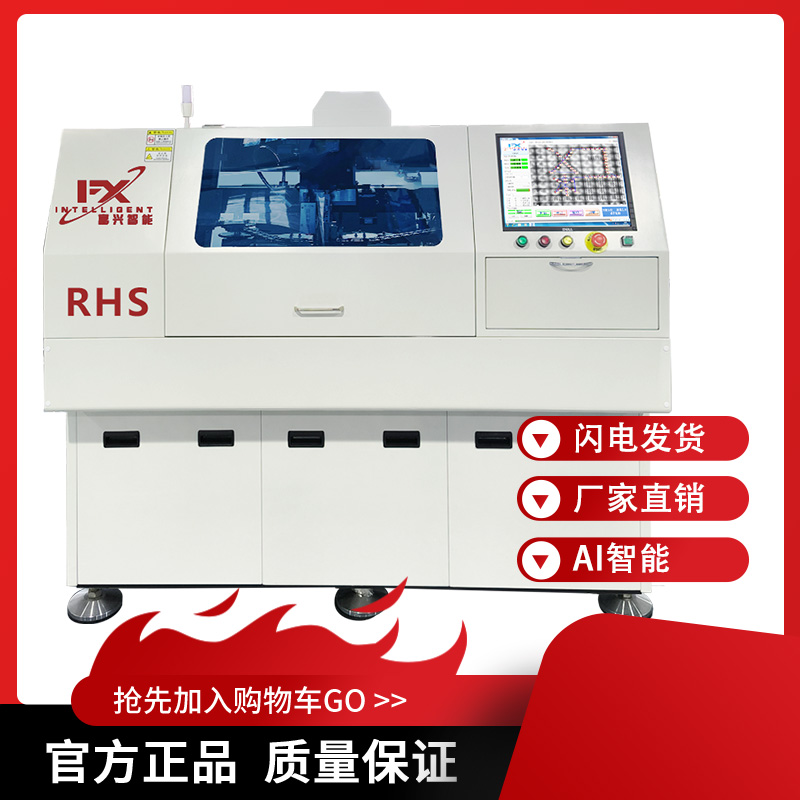
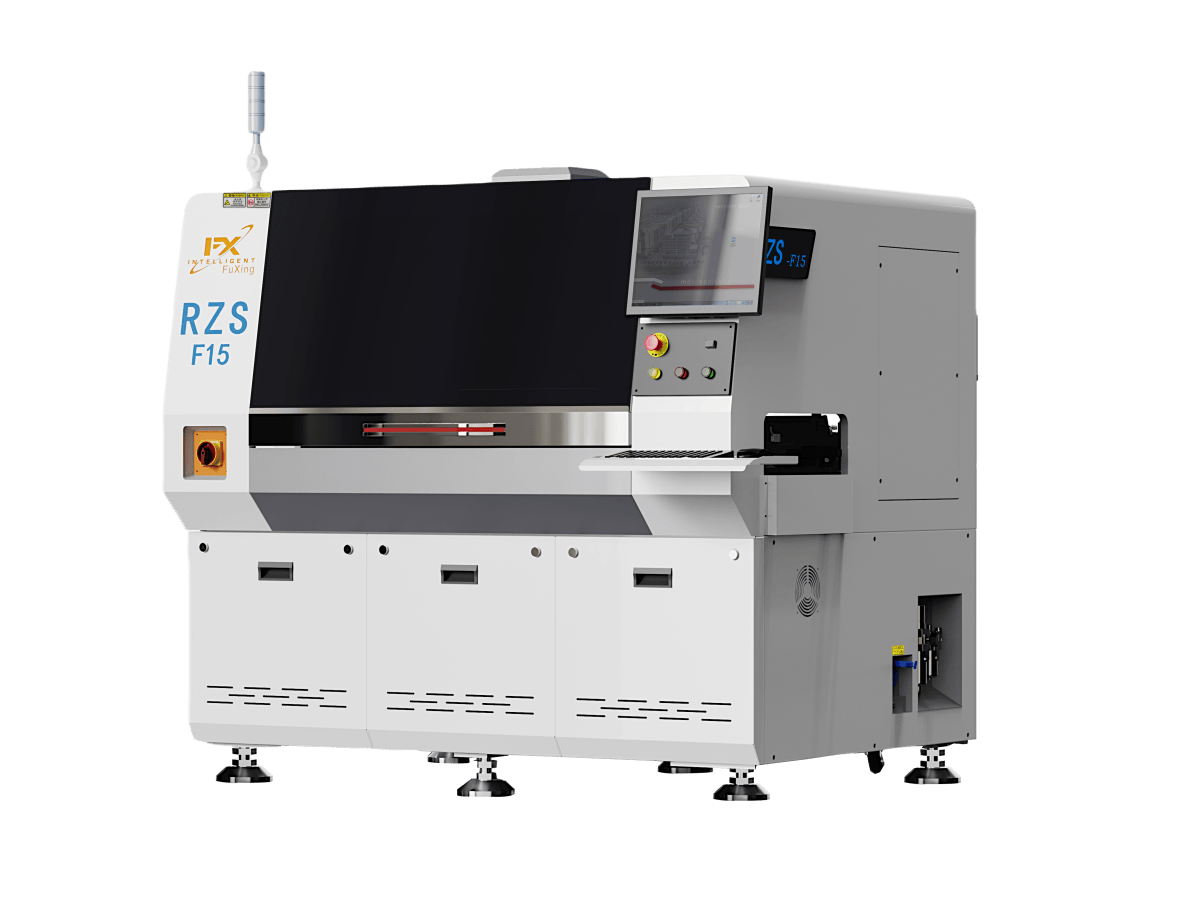
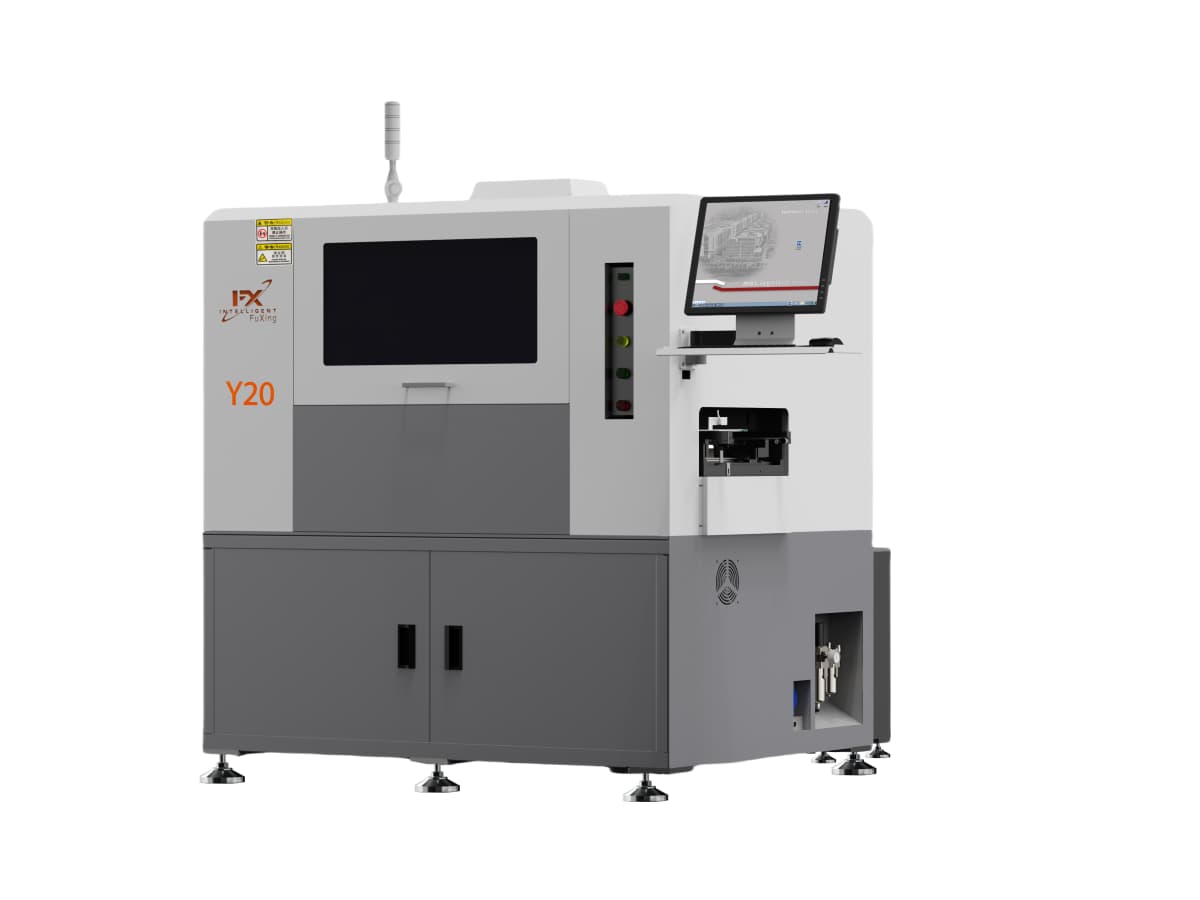
With the sheet in hand, check it against your BOM. Take the heaviest, largest and strangest components, three of them, and verify each. If they do not fit, drop the supplier. The machine range can be surveyed from the automatic insertion machine line-up, where vertical, horizontal and odd-form each cover different ground.
This document decides what happens in year three, not at purchase.
Ask three questions: which city holds your spare parts; are grippers, cutters and feed belts in stock; how fast is remote support and how many days to arrive on site.
Answers vary widely. Some suppliers hand over a parts list with part numbers, unit prices and stock levels. Others say "our service is good". The first lets you budget annual spares; the second is a gamble. When a machine stops, the line stops, and waiting a week versus a day is two different bills.
Ask about consumable life as well. Cutters, grippers and feed belts wear by insertion count, not by calendar. A cycle estimate in points is far more useful than "replace every six months". Common commitments are 48 hours for parts dispatch and 24 hours for remote response; put both in writing.
Few buyers ask for this one, and it reveals the most about how a supplier works.
Look for acceptance terms. A clear annex lists the metrics: repeat positioning accuracy, first pass yield, measured cycle time, continuous running duration, and what happens if they are not met. A vague annex says "the equipment conforms to national standards", which gives you nothing to stand on later.
Also check three items in the contract: how many days of training and what it covers; whether warranty includes wear parts; who pays for commissioning and trial production. Asked before signing, these are commercial terms. Asked after the machine arrives, they become favours.
Do not hold separate conversations; the information will not line up. Build one table, put the four documents' points into a single set of questions, send it to three suppliers at once, and require written answers.
| Item | What to fill in |
|---|---|
| Patents and copyright | Number, title, holder |
| Span range | Minimum / maximum, mm |
| Gripper options | How many, opening size |
| Component limits | Max weight in g, max envelope in mm |
| Feeder stations | Standard / maximum |
| Repeat accuracy | Value plus test method |
| Measured cycle time | Seconds per point plus conditions |
| Parts warehouse | City, list of stocked parts |
| Response times | Remote / on site |
| Acceptance terms | Present or not, which metrics |
Three replies side by side settle it. A blank cell is itself an answer. "Will discuss in person" is also an answer. After this step, one or two suppliers remain worth visiting.
Not every deal justifies a trip. Any one of three conditions is enough: the amount is large enough that real capacity matters; custom grippers or fixtures are involved; you need to trial your own board on their machine.
Prepare the board and the acceptance criteria before going. On site, do one thing: have them insert 50 boards with your board, and check them yourself. Lifted parts, gripper marks and drift are all visible on the spot and worth more than any presentation.
If a visit is impractical, ask for trial samples by courier and verify them yourself, which costs less. To discuss a specific configuration, contact us with your board type and output; it is faster than hunting phone numbers in ranking articles.
Q1: Are those supplier ranking articles worth reading?
As a lead source, yes. As a basis for a decision, no. The ordering is generally not disclosed to readers; some entries are paid, some are assembled by region. Use them to build a candidate list, then judge with the four documents above.
Q2: Should the supplier be in my own province?
Not necessarily. Spare parts response matters more than distance. A supplier in your province without a parts warehouse may be slower than one out of province with a regional store. Ask where the parts sit and how many days to arrive, rather than which city the company is registered in.
Q3: The supplier offers a trial at their plant. What should I watch?
Bring your hardest board, not their demonstration board. Require 50 consecutive boards and check lifted parts, gripper marks on flat leads and accumulated drift yourself. Then have them perform a changeover on the spot and watch how long it takes and how many people it needs; that step hides the most.

Copyright © 2002-2026 Shenzhen Fulxing Intelligent Equipment Co., Ltd. All rights reserved. ICP License:
Service Hotline